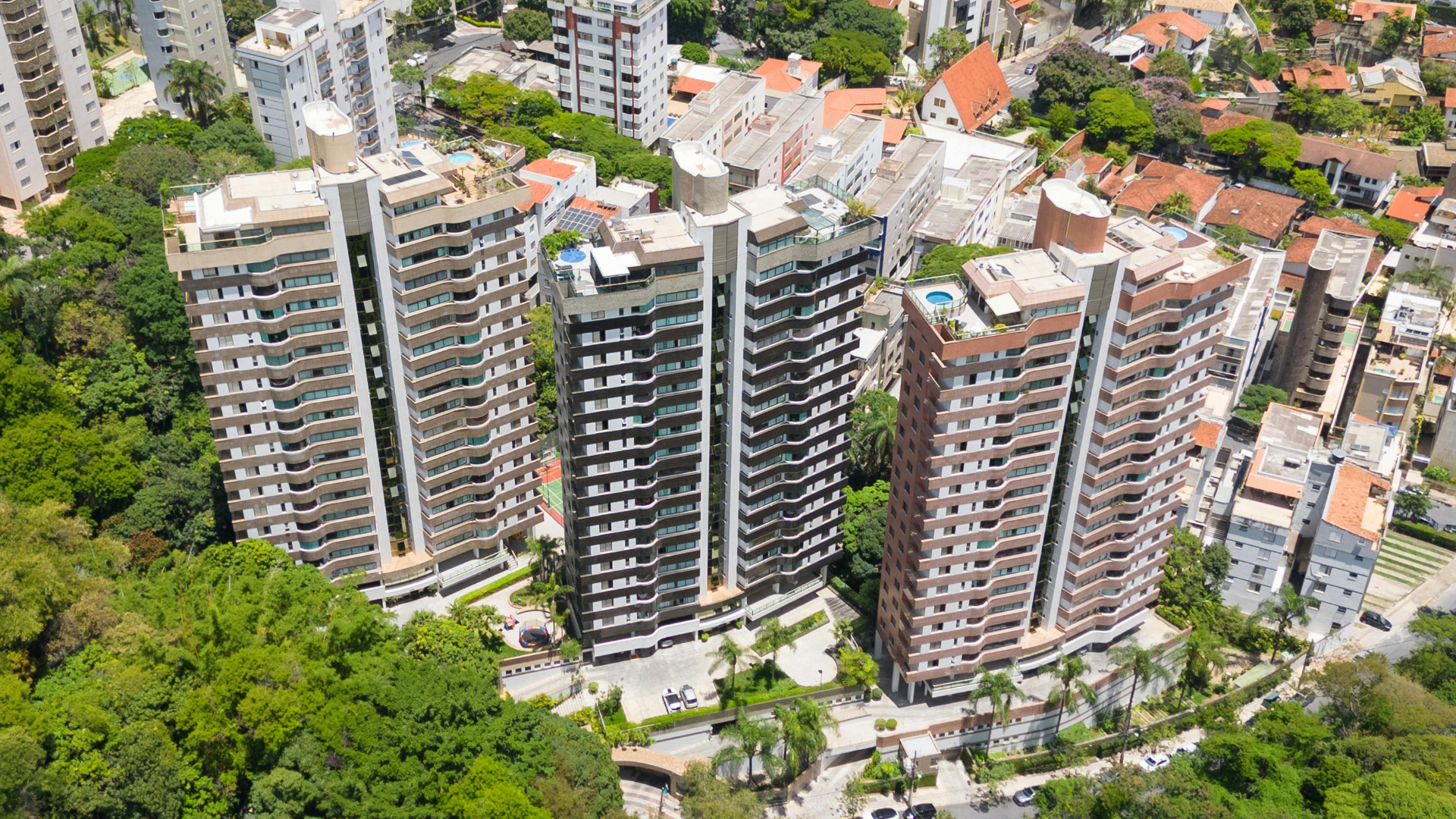
For residents of a mid-rise or high-rise condominium, the elevator is not a convenience. It is how older owners, people with mobility limits, and anyone carrying groceries or moving furniture get home. Elevators are also among the most expensive systems an association owns, and a full modernization is a major capital project. Careful maintenance is the best way to keep elevators safe and to put off replacement as long as possible.
This article is general information and is not legal advice. The association's attorney should be consulted.
The Service Maintenance Contract
Most associations with elevators have a written service contract with a licensed elevator company. The contract describes which components are maintained, how often the technician visits, what repairs are included, and how quickly the company must respond to a call or an entrapment.
Contracts vary widely. Some cover only routine examination and lubrication, while others include most parts and repairs. The board should keep a copy of the current contract in the association's records and review it before renewal, with attention to:
- Which components are covered and which are excluded
- Response times for routine calls and emergencies
- After-hours and overtime charges
- Price increases and the length of the term
- Cancellation provisions
Because elevator service is specialized, there may be only a few qualified companies in the area. Comparing proposals on the same scope of work makes them easier to evaluate. Florida law requires competitive bids for association contracts above a set share of the annual budget, so the board should confirm whether bidding applies before a contract is signed or renewed.
Florida Inspection Requirements
Under section 399.061 of the Florida Statutes, elevators must generally be inspected each year by a certified elevator inspector. A limited exception applies to certain elevators that serve only two adjacent floors and are covered by a service maintenance contract. A statement verifying the existence and performance of each service maintenance contract must also be filed with the state at least annually, and cancellation of the contract must be reported.
If an inspection shows that an elevator is unsafe, the state may seal it or order its use to stop until it is repaired. Inspection reports and certificates of operation should be kept with the association's records, and any deficiencies should be tracked until they are corrected.
Routine Care and Record Keeping
Different parts of the system are serviced on different schedules. Doors and door operators, cables, controllers, and lubrication points each have their own intervals. A maintenance log should be kept in the machine room or in the elevator company's online portal, with each visit recorded: the date, the technician, and the work performed.
The manager or a designated board member should review that log regularly. Gaps in visits, repeated callbacks for the same problem, and long periods out of service are signs that the contract is not being met or that a component is nearing the end of its life.
Storms, Power Loss, and Flooding
Florida weather creates particular risks for elevators. Before a storm, the elevator company should be consulted about the right steps for the specific equipment. During a declared state of emergency, Florida law allows an association's board to shut down elevators as part of its disaster plan.
Water is especially damaging. Flooding in the pit or machine room can ruin controls and motors. Sump pumps, drainage, and door seals should be checked as part of hurricane preparation. The association should also confirm how its elevators respond to a power outage and whether any backup power arrangements are in place, and residents should be told what to expect when power is lost.
Planning for Modernization
Even well-maintained elevators eventually need major work. Controllers, machines, and door equipment wear out, and replacement parts for older systems can become hard to find. Modernization costs should be included in the association's reserve study so that funds are set aside over many years rather than collected all at once through a special assessment. Florida condominiums must include reserves in the budget for items whose deferred maintenance or replacement cost exceeds the statutory threshold, which commonly includes elevator modernization. More on reserves is covered in
understanding the importance of reserves for your condo or HOA.
An independent elevator consultant can be retained to evaluate the equipment, estimate its remaining life, and prepare specifications when modernization is near.
Help With Building Systems
Elevator contracts, inspection tracking, and reserve planning are handled for the communities managed by Condominium Associates. The role of on-site facilities staff is described in
facilities manager: what they do and why they matter. To talk about your building's elevators and other major systems,
contact us.