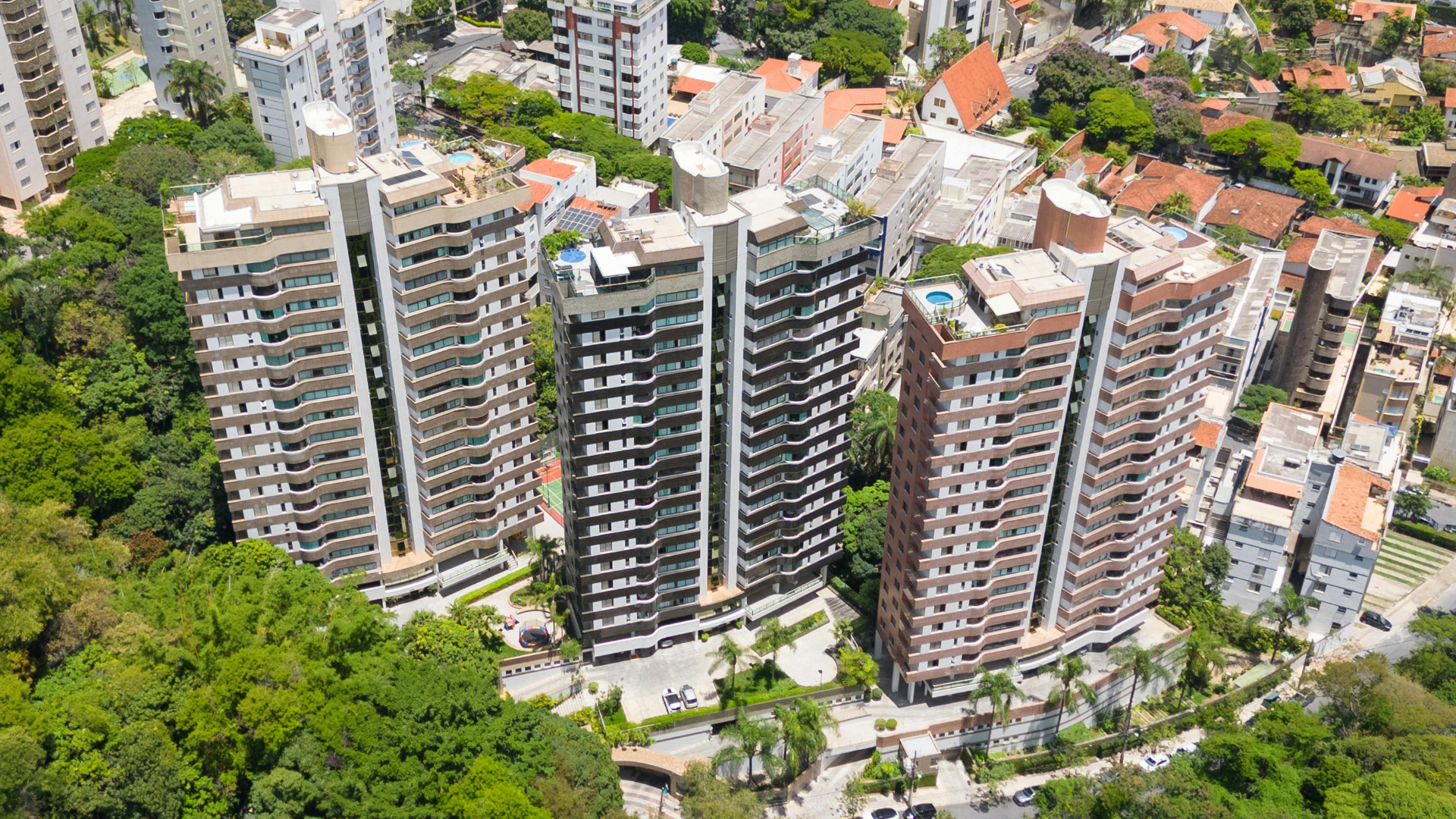
A facilities manager is the person responsible for the physical side of a property: the buildings, the grounds, the mechanical systems, and the vendors who service them. In a condominium or homeowners association, the job is to keep everything the association owns safe, clean, and in working order, and to see that small problems are found before they turn into large ones.
What a Facilities Manager Does
The work varies with the size and age of the property, but the same core duties are found in most communities.
- Preventive maintenance. Roofs, elevators, pumps, air conditioning equipment, gates, fire systems, and pool equipment are placed on a service schedule so that wear is caught early and equipment life is extended.
- Repairs and work orders. Requests from residents and the board are logged, assigned, tracked, and closed out.
- Vendor oversight. Landscapers, janitorial crews, pool services, elevator companies, and contractors are scheduled and supervised. Work is inspected before invoices are approved for payment.
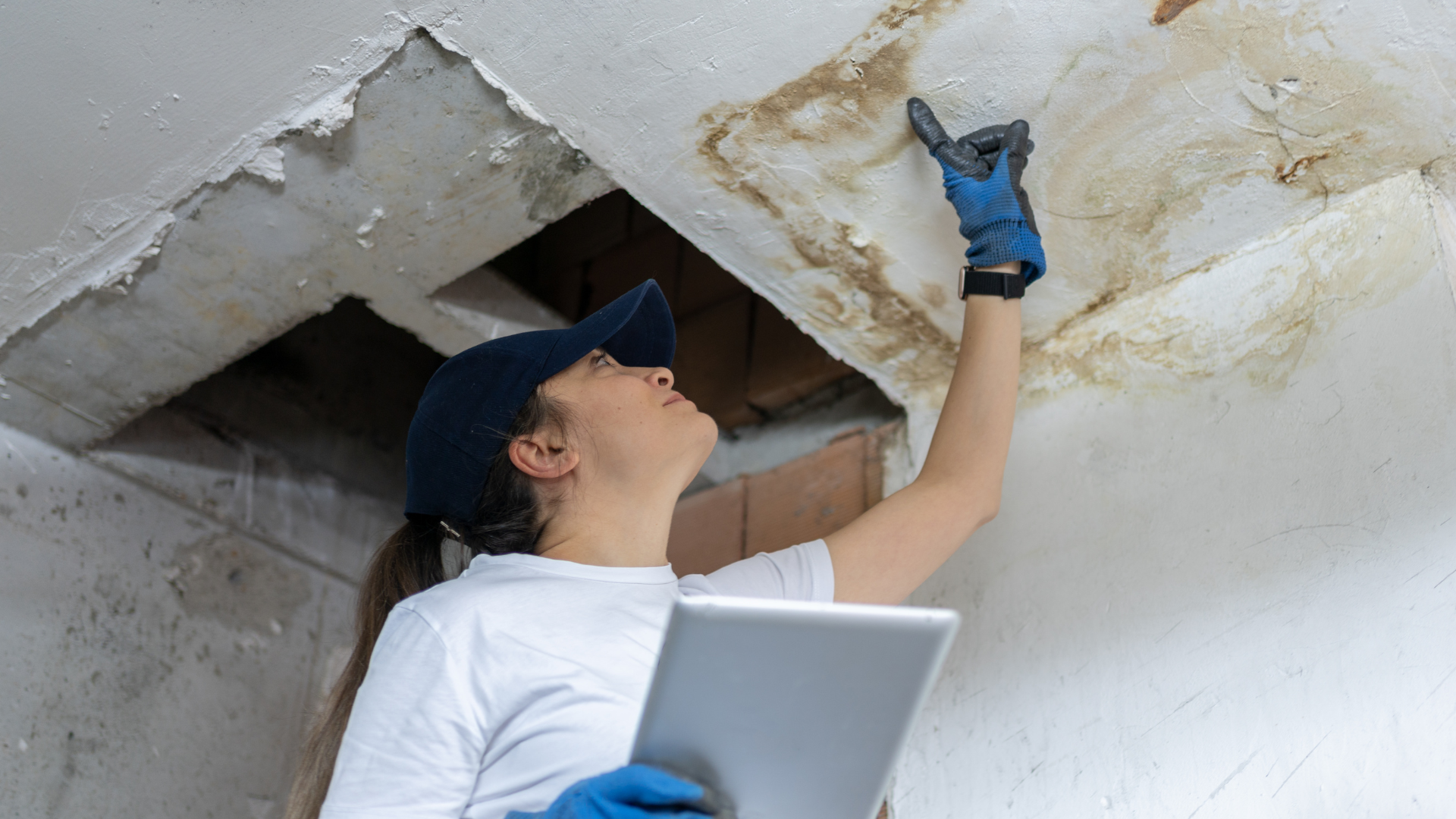
- Inspections. Common areas are walked on a regular schedule. Trip hazards, lighting outages, leaks, and damage are noted and corrected.
- Safety and code items. Required inspections of life-safety equipment are kept current, and records of those inspections are filed where the board can find them.
- Budget support. Repair histories and equipment conditions are reported to the board so that the operating budget and the reserve schedule are built on real information.
- Project coordination. During painting, roofing, paving, or concrete restoration, the contractor's access, staging, and resident notices are coordinated on site.
How the Role Differs From a Community Association Manager
The two roles are often confused. A community association manager, who is licensed by the state of Florida, is concerned with the business of the association: budgets, assessments, meetings, records, insurance, and enforcement of the governing documents. A facilities manager is concerned with the physical plant.
In a small community, both sets of duties are usually handled by the association manager with help from outside vendors. In a larger or more complex property, a dedicated facilities manager or maintenance supervisor is often added, and that person reports to the association manager and the board. More on the division of duties can be found in our post on
what tasks community association management companies handle.
Skills That Should Be Expected
A good facilities manager is expected to bring a mix of technical knowledge and people skills.
- A working knowledge of plumbing, electrical, air conditioning, and building envelope systems
- The ability to read a contract and a scope of work, and to tell when a job has been done correctly
- Organized recordkeeping, including service logs, warranties, and equipment lists
- Clear and courteous communication with residents, board members, and vendors
- Sound judgment about what can be repaired in house and what should be sent to a licensed contractor
- Calm handling of emergencies such as water intrusion, power loss, and storm damage
Signs That a Community May Need One
Not every association needs a facilities manager on site. The following conditions suggest that the role should be considered by the board.
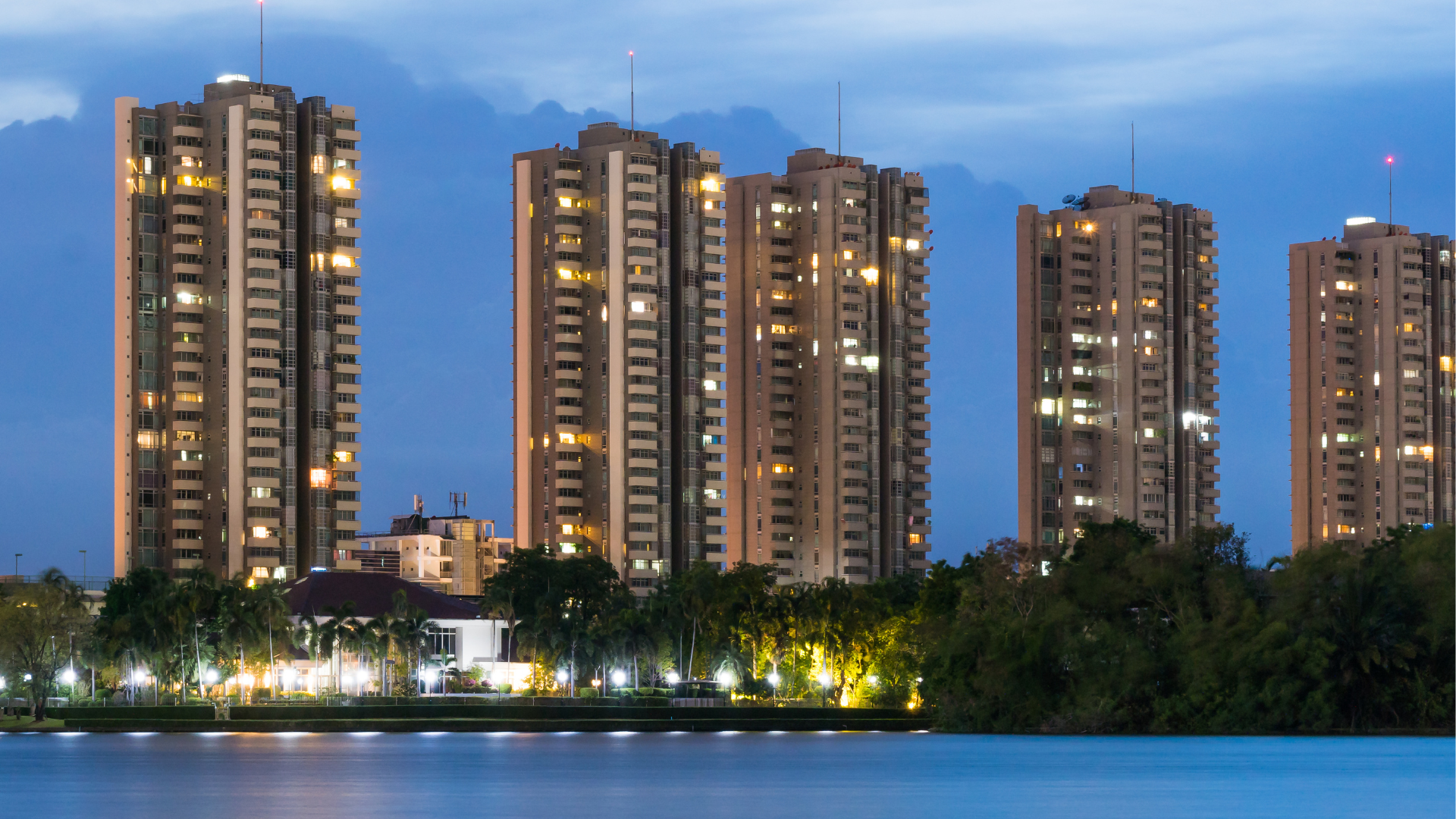
- The property has high-rise or mid-rise buildings with elevators, fire pumps, generators, or cooling towers.
- Several amenities are operated, such as pools, a clubhouse, a fitness center, docks, or gated entries.
- Repairs are mostly reactive, and the same problems keep returning.
- Board members are spending their own time meeting vendors and checking work.
- A large project, such as concrete restoration or a roof replacement, is planned or under way.
- Storm preparation and recovery have been disorganized in past seasons.
What a Community Gains
When the physical plant is managed with care, the benefits are felt in the budget and in daily life.
Emergency repairs are reduced, because equipment is serviced before it fails. Roofs, pavement, and mechanical systems last longer, which eases pressure on reserves. Vendors are held to their contracts, so the association receives the work it is paying for. Safety hazards are corrected sooner, which lowers the chance of injury and insurance claims. Residents see that common areas are clean and that reported problems are followed up.
Good maintenance records also help when a reserve study is prepared, when an insurance carrier inspects the property, and when a building inspection is required. Guidance on shared spaces can be found in our post on
HOA practices for common areas.
How the Position Is Usually Filled
A facilities manager may be employed directly by the association, placed on site by the management company, or supplied by a facilities services firm. Whichever arrangement is chosen, the duties, working hours, spending authority, and reporting lines should be put in writing and approved by the board. A clear limit should be set on the dollar amount of repairs that may be authorized without board approval.
Help With Maintenance Planning
Maintenance oversight, vendor coordination, and on-site staffing are arranged for the communities managed by Condominium Associates. To talk about what your property needs,
contact us or
request a proposal.