Understanding what your SIRS actually tells you
A SIRS provides a detailed assessment of your building’s major structural components: roofs, load-bearing walls, plumbing, electrical, and more. The report estimates the remaining useful life of each component and projects the cost and timing of future repairs or replacements. For buildings three habitable stories or higher, as determined by the Florida Building Code, Florida law now requires these studies every ten years, and the results drive your reserve funding requirements.
But a SIRS is not a budget. It’s a technical analysis. Your board’s job is to translate those findings into a financial plan that meets both legal requirements and your community’s needs.
Step 1: Review the SIRS with your management and finance team
Don’t try to interpret the SIRS in a vacuum. Schedule a working session with your property manager, reserve specialist, and, if needed, your association’s accountant. Go line by line through the report. Clarify which items are legally required to be funded, which are recommended but optional, and which may be deferred (if allowed by law and owner vote).
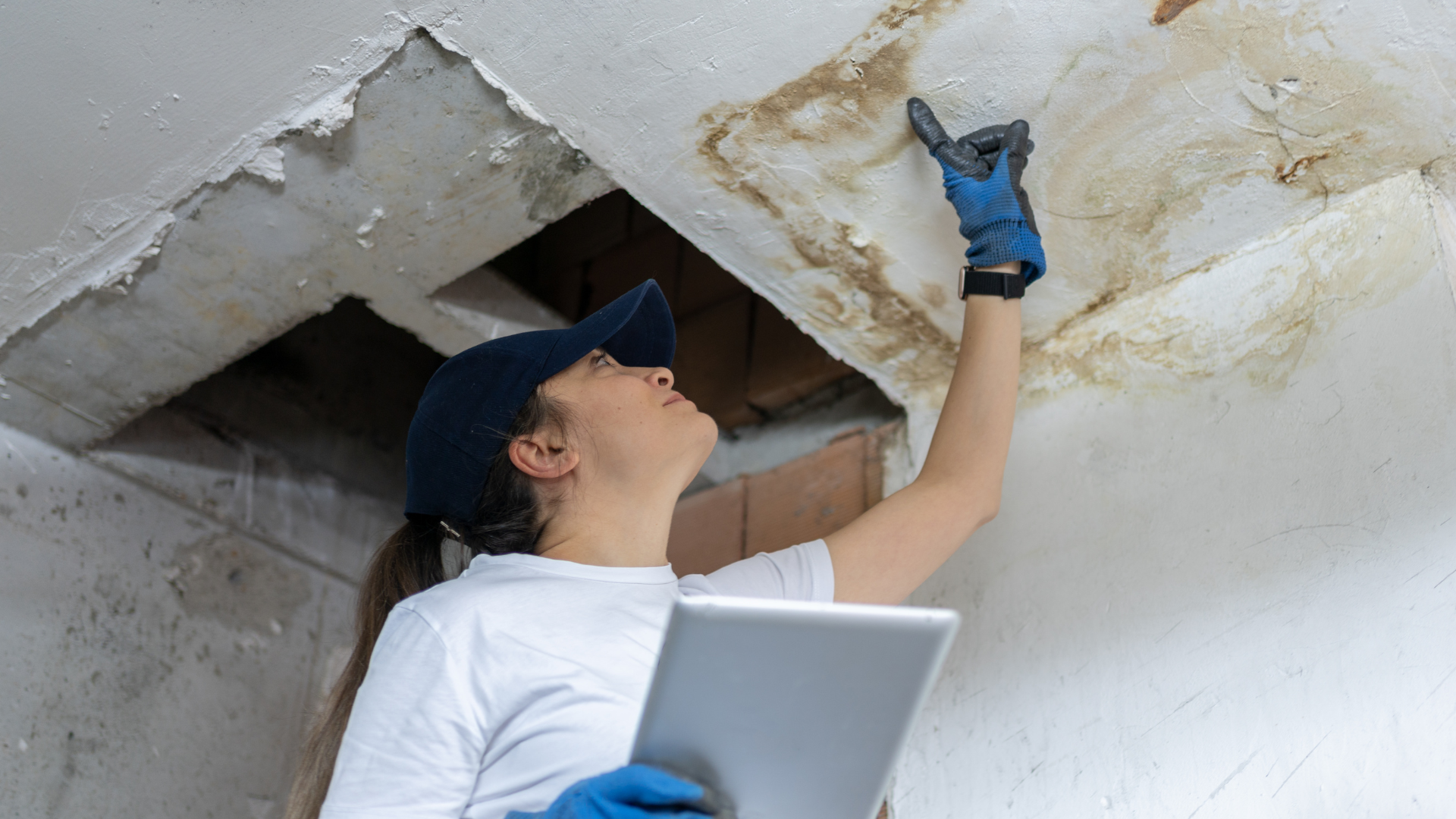
Ask your professionals to flag any urgent repairs or red flags. If the SIRS or a milestone inspection identifies immediate safety issues, those must take priority in your planning.
Step 2: Build your reserve funding plan
Florida law now requires most condo associations to fully fund reserves for structural components identified in the SIRS. Waiving or reducing reserves is no longer an option for buildings three habitable stories or higher. Your reserve schedule should match the SIRS recommendations for each component, factoring in estimated costs and timelines.
If a milestone inspection completed within the last two calendar years recommends urgent repairs, HB 913 (effective July 1, 2025) allows the board to pause or reduce reserve contributions to fund those repairs, but only with the approval of a majority of the total voting interests of the association. The pause may run for no more than two consecutive annual budgets, and only for budgets adopted on or before December 31, 2028. Before contributions resume, the association must have a structural integrity reserve study performed. A pause buys short-term relief, not a long-term solution.
Work with your management team to update your annual budget, ensuring that reserve contributions align with the SIRS findings. If your association’s documents allow, you may also consider a loan or line of credit to help fund large projects. Using a special assessment, line of credit or loan to fund reserves for SIRS items requires the approval of a majority of the total voting interests of the association.
When building your funding plan, consider inflation and rising construction costs. The SIRS provides estimates based on current prices, but actual costs may increase over time. It’s wise to include a contingency factor in your reserve calculations to avoid shortfalls.
Step 3: Prioritize projects and set timelines
Not every item in the SIRS needs immediate action. Use the report’s projected timelines to create a multi-year maintenance and repair schedule. Focus first on components with the shortest remaining useful life or those flagged as urgent by your engineer.
Develop a project calendar that maps out when each major repair or replacement is expected. This helps your board plan ahead, avoid last-minute surprises, and communicate clearly with owners about upcoming work.
Step 4: Communicate with owners early and often
Owners need to understand why reserve contributions may be increasing, why certain projects are prioritized, and how the board is using the SIRS to protect both property values and safety. Transparency is critical. Share the SIRS summary, your funding plan, and your project calendar at board meetings, in newsletters, and on your association’s website.
Be prepared for questions about costs, and sometimes for pushback. Clear, consistent communication helps build trust and reduces the risk of misunderstandings or rumors.
Consider hosting a town hall or Q&A session with your reserve specialist or engineer. This gives owners a chance to ask questions directly and see that the board is acting on expert advice.
Step 5: Update your maintenance policies and procedures
A SIRS is not a one-time event. Use the findings to update your association’s maintenance manual, preventive maintenance schedules, and vendor contracts. Make sure your property manager and maintenance staff have clear instructions for routine inspections and repairs.
Documenting these procedures helps future boards stay on track and ensures continuity, even as board members change.
Step 6: Plan for regular updates and compliance
Florida law requires a new SIRS every ten years for buildings three habitable stories or higher, but best practice is to update your reserve study every three to five years to account for changes in building condition, inflation, and completed projects. Schedule these updates in advance and budget for them as part of your ongoing reserve planning.