When the economy slows, associations feel it. Some owners fall behind on assessments, vendor prices may rise, and boards come under pressure to hold the line on dues. Maintenance is often the first thing cut, and it is also the first thing owners notice. Deferred work rarely saves money. It usually costs more later, when small problems have grown into large ones.
A board that plans ahead can keep the community in good condition through a downturn. The following steps can help.
Start With a Professional Inspection
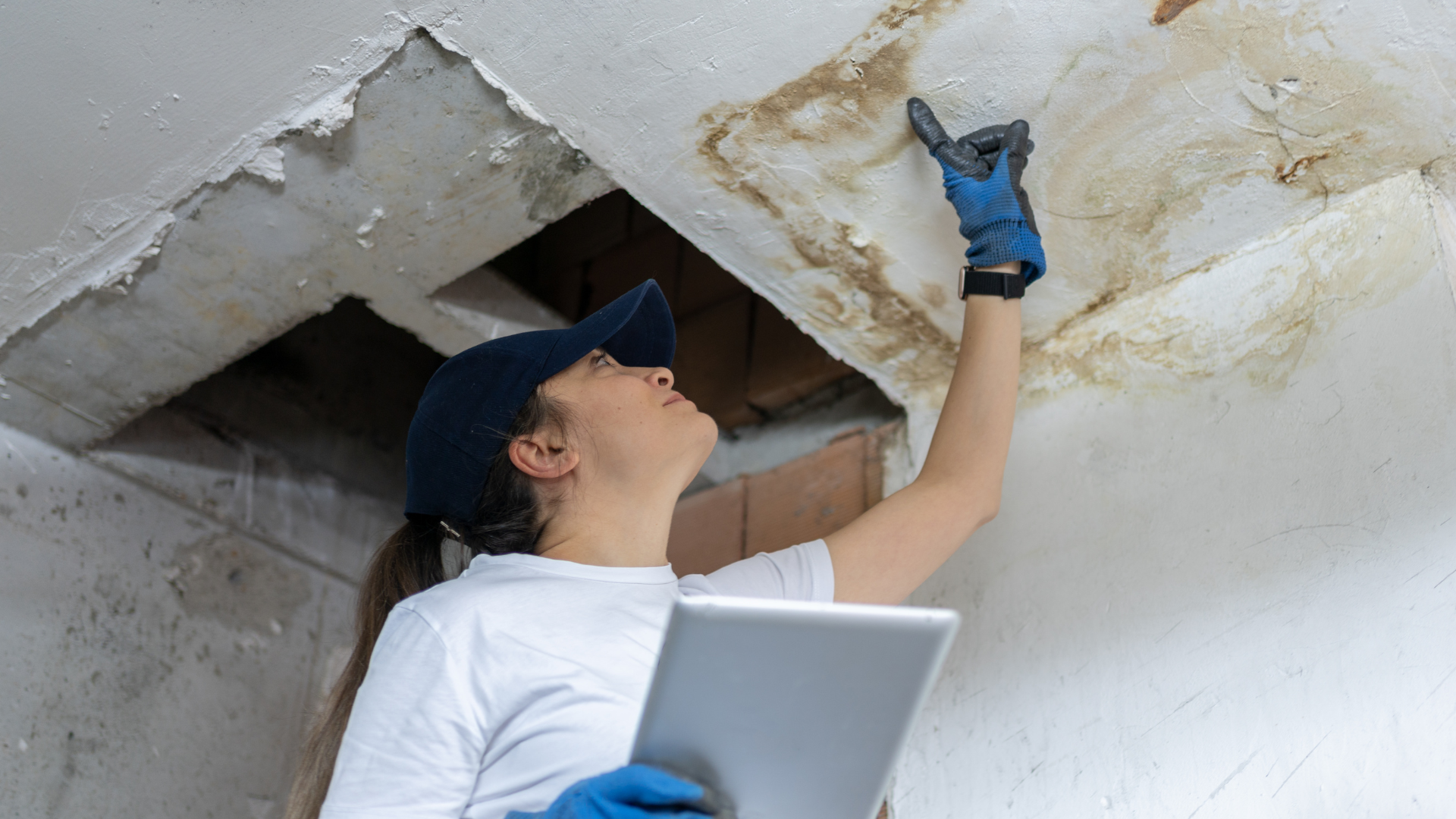
A fresh set of eyes is valuable before decisions are made. A qualified inspector, engineer, or experienced facilities manager can walk the property from top to bottom and sort items into three groups: work that must be done now, work that should be watched, and work that can safely wait. That list becomes the basis for every budget decision that follows.
The association's most recent reserve study should be reviewed at the same time. It shows which major components are nearing the end of their useful lives and how much has been set aside for them. More on the role of facilities professionals can be found in
facilities managers: what they do and why they matter.
Do More With Less
A careful review of contracts and service levels often turns up savings that do not harm the property. Questions worth asking include:
- Can seasonal flower rotations be reduced, or replaced with longer-lasting or Florida-friendly plants?
- Can a service, such as window cleaning or pressure washing, be scheduled less often without causing damage?
- Are contracts competitively bid, and are their terms and renewal dates being tracked?
- Can several vendors be combined, or can work be bundled for a better price?
- Are utility costs, such as common area lighting and irrigation water, being monitored?
Savings found this way can be redirected to repairs that prevent larger costs, such as a plumbing or roof leak. Ideas for lower-maintenance landscaping are covered in
HOAs and Florida-friendly lawns.
Address Building Problems Early
Wear and tear does not pause for a recession. Roof leaks, failing sealants, cracked concrete, and aging plumbing get worse over time, and water damage spreads quickly. If a significant repair is clearly coming, it is often wise to handle it while funds are still available, rather than waiting until delinquencies have reduced cash flow.
Reserve funds are set aside for specific components and are subject to legal limits on their use, so they should not be borrowed for operating costs without guidance from the association's attorney and accountant.
Keep the Emergency Plan Current
Emergencies continue to happen in a weak economy. Past emergencies, such as water main breaks, storm damage, and equipment failures, can be reviewed to see which are likely to happen again. A written plan should name who is called, who can approve emergency spending, and where shutoff valves and electrical panels are located. Short instructions can be posted near major equipment so whoever finds a problem knows what to do first.
Hurricane preparation belongs in this plan for every Florida community.
Watch Collections Closely
Maintenance depends on cash flow, and cash flow depends on collections. A written collection policy, applied consistently, helps keep delinquencies from growing. Owners facing hardship may be offered a written payment plan. Florida law sets specific notice steps before late fees, liens, and other collection actions, so the association's attorney should be involved early.
Be Open With Owners
Owners will notice any change in service, even a small one such as fewer landscape visits. The board should explain what is changing, why, and how essential maintenance is being protected. Clear updates in newsletters and at meetings build trust and reduce complaints.
Help Through Uncertain Times
Budgeting, vendor management, and maintenance planning are handled for the communities managed by Condominium Associates. To talk about protecting your community's property and budget,
contact us.