Hurricanes are a fact of life in Florida, and storm damage is not always obvious right away. A roof may look intact while water is already entering the building, and damaged windows or flashing may not show leaks until the next heavy rain. A board that knows the claim process, and the deadlines that apply, is in a much stronger position after a storm.
This article is general information and is not legal advice. The association's attorney should be consulted.
Inspect the Property Promptly
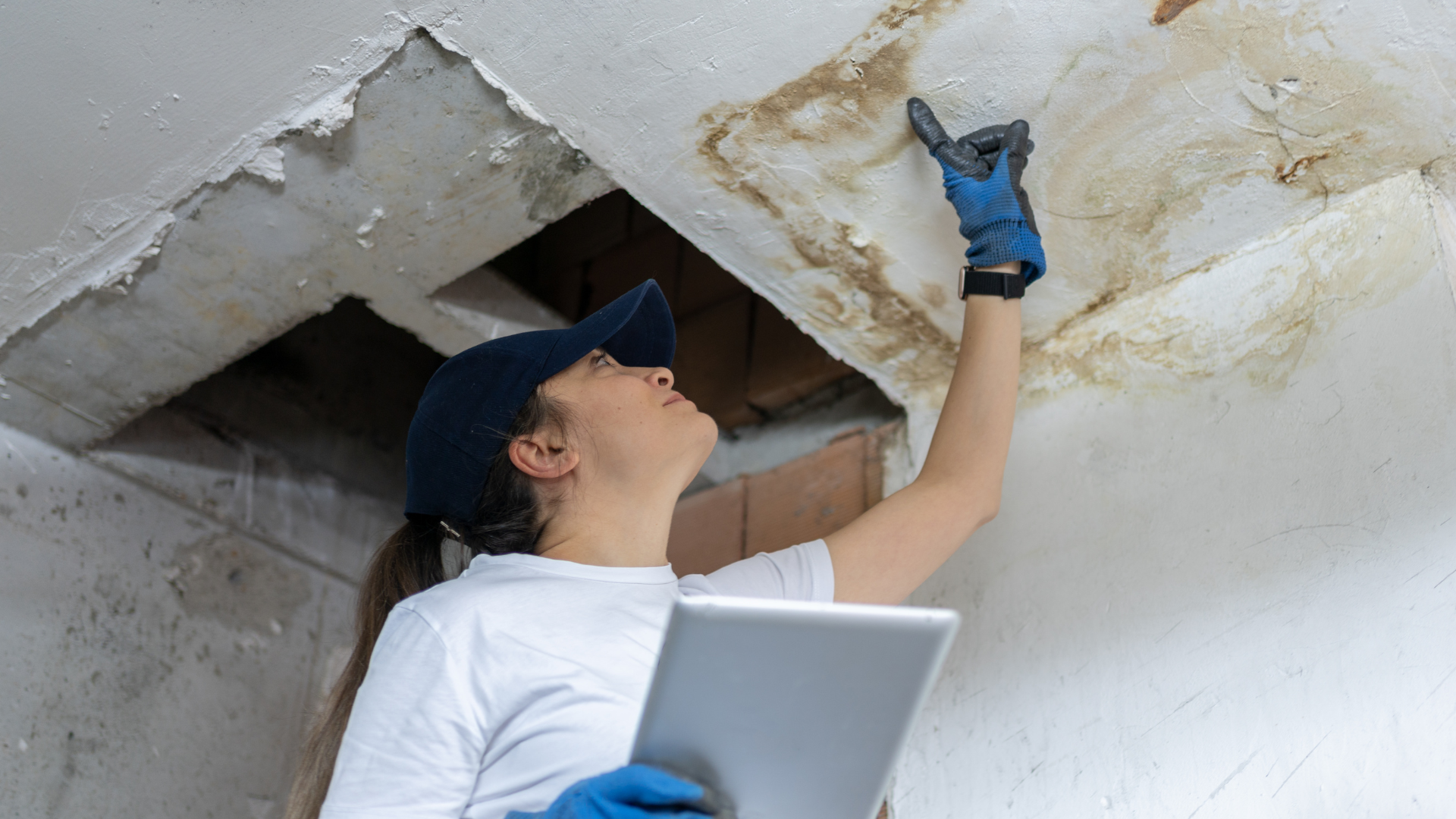
After a storm passes and it is safe to do so, the property for which the association is responsible should be inspected. A walk-through by the manager or board is a good start, but a professional inspection is recommended when damage is suspected. A report from an engineer, roofer, or other qualified construction professional should describe the damage, its likely cause, and the areas affected.
Damage should be documented with dated photographs and video. Temporary repairs needed to prevent further damage, such as tarping a roof or extracting water, should be made and documented, with receipts kept. Permanent repairs should not be started until the insurer has had a chance to inspect, unless the policy or an emergency requires otherwise.
Know the Notice Deadlines
The first step in any claim is notice to the insurer. The policy itself will state how notice must be given, and it may use language such as "prompt notice" or a set number of days. Telling the insurance agent about the damage is not always the same as giving notice to the insurer, so the policy terms should be followed exactly.
Florida law also sets outside time limits. Under section 627.70132 of the Florida Statutes:
- A new or reopened property insurance claim is barred unless notice is given to the insurer, in accordance with the policy terms, within 1 year after the date of loss.
- A supplemental claim, for additional loss from the same peril after an earlier claim, is barred unless notice is given within 18 months after the date of loss.
- For hurricanes, the date of loss is the date the hurricane made landfall.
These are outside limits. The policy may require notice much sooner, and waiting can make it harder to prove that the damage was caused by the storm. When damage is suspected, a claim should be reported promptly, even if the full extent is not yet known.
What Unit Owners Should Know
Many condominium unit owners carry loss assessment coverage on their own policies, which may help pay an assessment levied by the association after a covered loss. Under section 627.70132(4), notice of a claim for loss assessment coverage must be given within 1 year after the date of loss or within 90 days after the association or its board votes to levy the assessment, whichever is later, and no later than 3 years after the date of loss. Owners should be told promptly when such an assessment is approved so that they can notify their own insurers.
Cooperate With the Insurer's Investigation
Once notice is given, the insurer will investigate. Most policies require the association to cooperate. The investigation may include:
- Site inspections. Adjusters and experts will ask to see the whole property and possibly the inside of individual units. Access must be coordinated with unit owners.
- Document requests. Repair records, maintenance logs, prior inspection reports, meeting minutes, financial statements, and contracts are commonly requested. These records help the insurer determine what damage existed before the storm and whether coverage applies.
- Sworn statements. The insurer may request a sworn proof of loss or an examination under oath.
Organized maintenance records kept before a storm make this stage far easier. Deadlines in the policy for each request should be calendared and met.
Get Professional Help
Insurance claims after a major storm can be complex. The association's attorney should be consulted about notice, coverage questions, and any dispute with the insurer, and a board should not sign a release or accept a final payment without understanding what it gives up. The association's insurance agent can also explain the policy's terms and deductibles. Hurricane deductibles can be large, so reserves and budgets should account for them. More on this subject can be found in
consequences of not having cash reserves.
Storm Season Support
Storm preparation, post-storm inspections, vendor coordination, and claim documentation are handled for the communities managed by Condominium Associates across Tampa Bay, Sarasota, and Pasco. The role of on-site staff is described in
what a facilities manager does. To talk about your association's hurricane plan,
contact us.