Green initiatives are good for the environment, and many of them also lower an association's operating costs. Energy, water, and waste are among the larger line items in a community budget, so modest changes can add up over time. A thoughtful plan can benefit both the property and the owners who pay for it.
This article is general information and is not legal advice. The association's attorney should be consulted.
Start With an Assessment
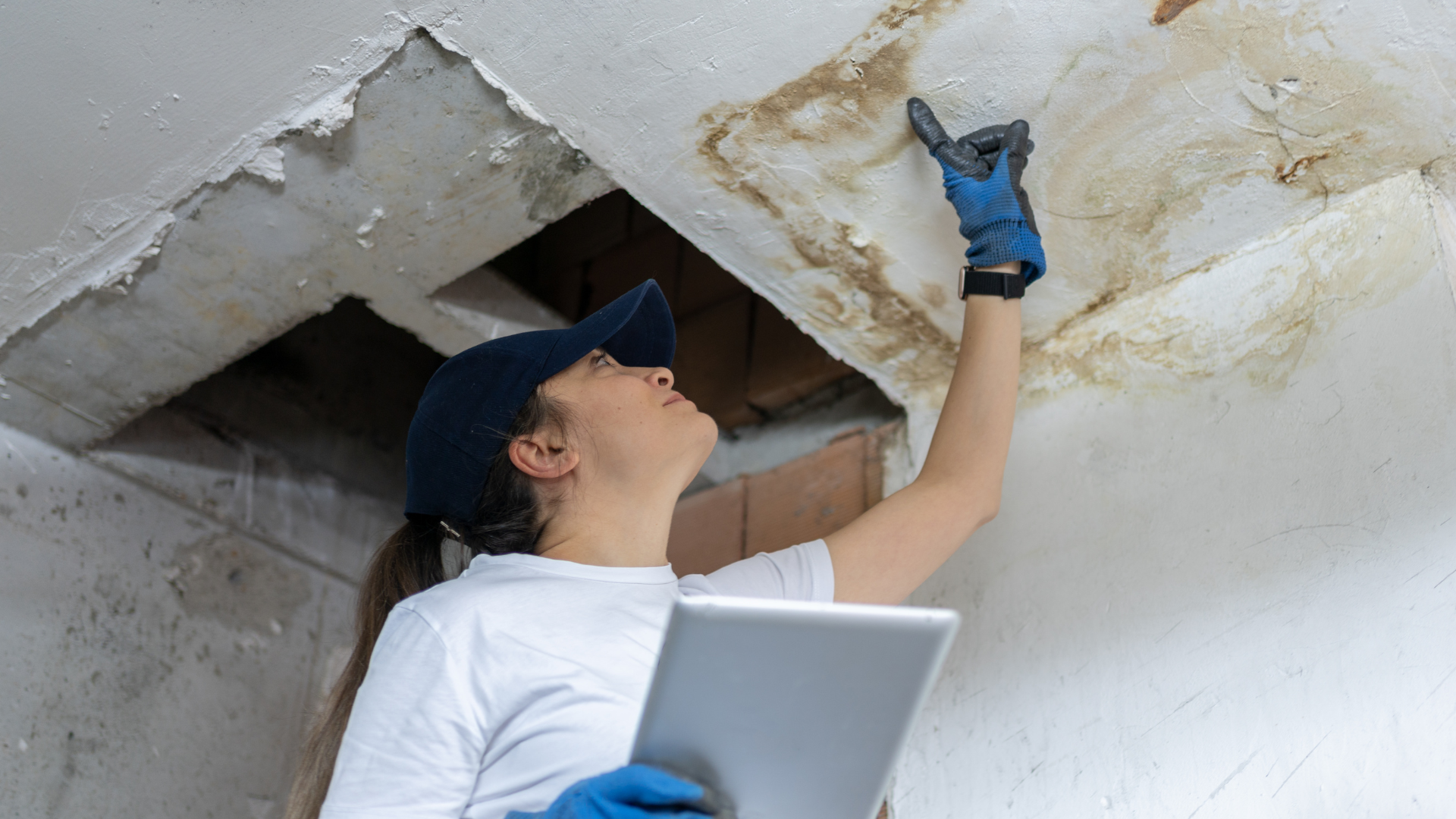
A good first step is a review of how the community uses energy and water. Utility bills for common areas can be compared month to month and year to year, and many utilities offer energy audits for commercial accounts. A walk-through of buildings, the clubhouse, the pool equipment, and the irrigation system often turns up easy savings. Results should be reported to the board with estimated costs and paybacks so projects can be ranked.
Efficient Lighting and Equipment
Lighting is one of the simplest places to start.
- Older fixtures in parking areas, walkways, hallways, and the clubhouse can be replaced with LED lighting, which uses less energy and lasts longer.
- Timers and photocells can keep lights off during daylight hours.
- Motion sensors can be used in low-traffic areas such as storage rooms, stairwells, and restrooms, as long as safety lighting is maintained.
When common-area equipment such as air conditioning systems, pool pumps, water heaters, or appliances in the clubhouse reaches the end of its useful life, ENERGY STAR or other high-efficiency models should be considered. Variable-speed pool pumps can reduce electricity use compared with older single-speed pumps. These replacements should be planned through the reserve schedule.
Florida-Friendly Landscaping and Water Use
Irrigation is a major water expense in many Florida communities. Smart irrigation controllers, rain sensors, and regular checks for broken heads and leaks can reduce waste. Watering should follow local water restrictions.
Plant choices matter as well. Native and drought-tolerant plants, proper mulching, and right-plant, right-place design reduce water, fertilizer, and maintenance needs. Florida law supports this approach. Under section 720.3075(4) of the Florida Statutes, homeowners association documents may not prohibit, or be enforced to prohibit, an owner from implementing Florida-friendly landscaping, as defined in section 373.185, on the owner's land. Associations may still set reasonable standards for appearance and upkeep. More detail is available in
HOAs and Florida-friendly lawns.
Greener Pest Control and Cleaning
Pest control does not have to rely on routine heavy spraying. Integrated pest management focuses on prevention, monitoring, and targeted treatment, and it is offered by many licensed pest control companies. Bids can ask vendors to describe how they apply these methods.
Cleaning contracts can also call for products with fewer harsh chemicals, concentrated products that reduce packaging, and microfiber tools that cut water use. Safety data for all products used on the property should be kept on file.
Recycling and Waste Reduction
Recycling programs depend on the local hauler and government. The association should confirm what materials are accepted, make sure bins are clearly labeled and conveniently placed, and remind residents of the rules regularly. Contamination, such as plastic bags or food waste in recycling bins, can cause loads to be rejected. Bulk pickup days and hazardous waste drop-off sites should also be shared with residents.
Solar and Other Renewable Energy Devices
Interest in rooftop solar continues to grow. Under section 163.04, a deed restriction, covenant, declaration, or similar agreement may not prohibit, or have the effect of prohibiting, solar collectors, clotheslines, or other renewable energy devices from being installed on buildings on covered lots or parcels. An association with architectural authority may determine the specific location of solar collectors on the roof within an orientation to the south or within 45 degrees east or west of due south, as long as the determination does not impair effective operation. Architectural review procedures should be revised to reflect these rules.
Help With Green Projects
Owners are more likely to support green projects when they see the results, so savings on utility bills, water use, and maintenance should be reported in newsletters and at the annual meeting. Vendor bids, reserve planning, and landscape contracts are handled for the communities managed by Condominium Associates. To talk about green initiatives in your community,
contact us.