A fire is one of the most serious events a community association can face. Most fires in residential buildings start with something ordinary: cooking, electrical faults, smoking materials, or heating equipment. A regular inspection routine and clear rules reduce the risk and limit damage when a fire does occur.
This guide is written for condominium boards, HOA boards with clubhouses and other buildings, and the managers who support them. The local fire marshal and the association's insurance agent are the best sources for requirements that apply to a specific property.
This article is general information and is not legal advice. The association's attorney should be consulted.
1. Keep Alarm and Suppression Systems in Working Order
- Fire alarm systems, sprinklers, standpipes, and extinguishers in common areas should be inspected, tested, and maintained by licensed contractors on the schedule required by the fire code and the manufacturer.
- Inspection reports should be kept with the association's records, and any deficiencies should be corrected promptly.
- Owners should be reminded to test smoke alarms inside their units and replace batteries as directed. Responsibility for alarms inside units depends on the declaration and should be confirmed.
- Fire lanes, hydrants, and fire department connections should be kept clear and well marked.
2. Inspect Electrical and Mechanical Systems
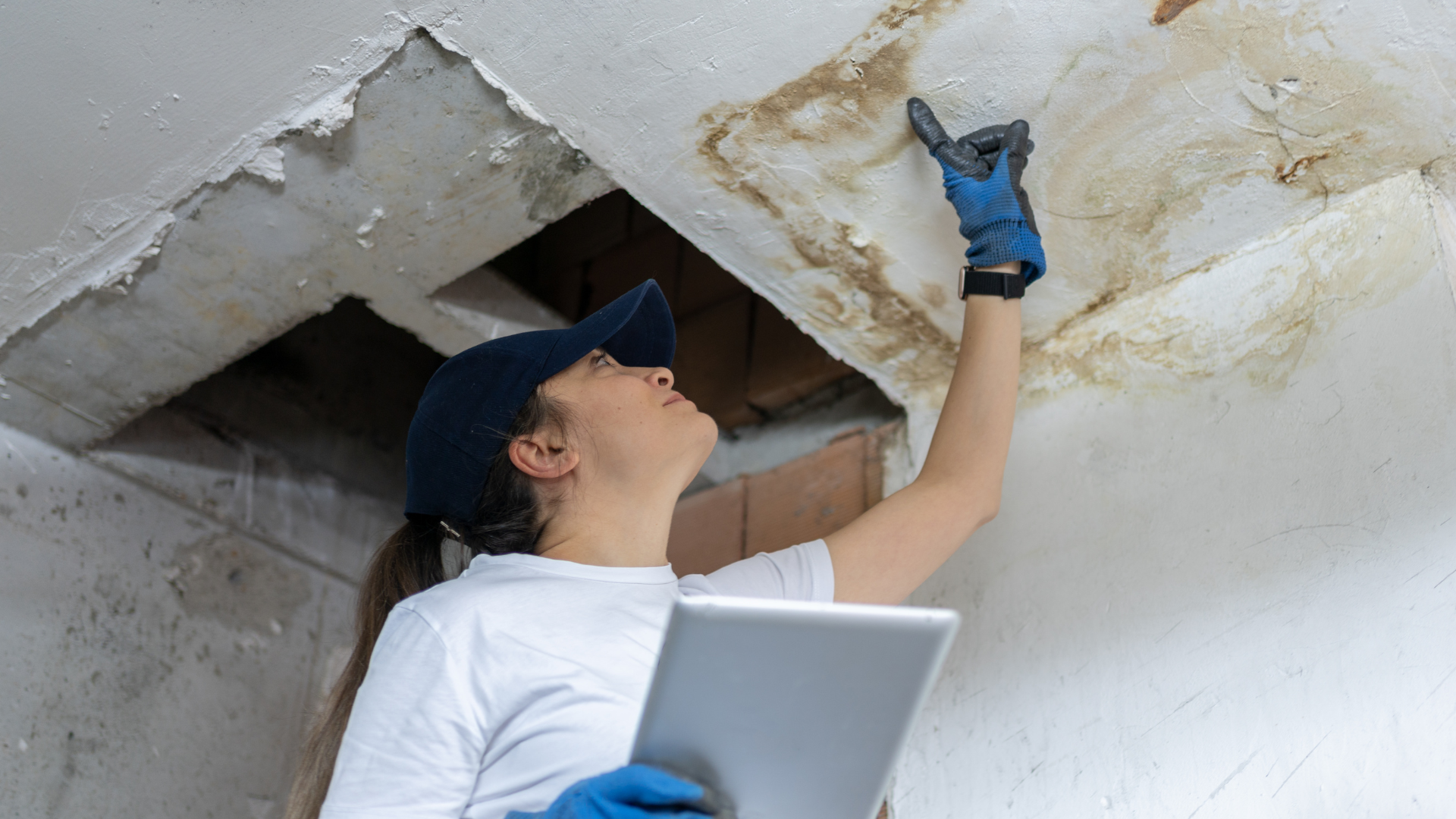
Faulty or overloaded wiring is a common cause of building fires. Electrical rooms, meter banks, panels, and common area wiring should be inspected periodically by a licensed electrician. Electrical rooms should never be used for storage. Older buildings may need upgrades, and those costs should be planned in the reserve schedule.
Florida buildings rely more on air conditioning than heating, but mechanical equipment still needs care. Air handlers, water heaters, and any boilers or generators serving common areas should be serviced on schedule. Dryer vents are a frequent source of fires in multifamily buildings, and lint buildup in shared vent runs should be cleaned on a regular cycle. Where vents serve a single unit, owners should be reminded of their own cleaning responsibilities.
3. Set Clear Rules for Grills, Smoking, and Candles
Grills on balconies are a common source of fires in multifamily buildings. The Florida Fire Prevention Code limits the use of open-flame cooking devices on balconies and near combustible construction in many multifamily buildings. The local fire marshal should be asked which limits apply to the property, and association rules should be written to match. Rules should be posted, included in owner and tenant welcome packets, and enforced evenly. In homeowners associations, rules about grills should be reviewed with the association's attorney, because state law limits some restrictions on appliances based on their fuel source.
Smoking in common areas such as hallways, stairwells, and the clubhouse can be restricted by rule. Smoking inside units is governed by the declaration, and the association's attorney should be consulted before any restriction is adopted. Owners should also be reminded about the risks of unattended candles, especially during power outages after storms, when flashlights and battery lanterns are much safer.
4. Keep Exits Clear and Practice Evacuation
- Stairwells, corridors, and exit doors should be free of bicycles, furniture, and storage.
- Exit signs and emergency lighting should be tested regularly.
- Trash rooms and chutes should be kept clean, and chute doors should close properly.
- Combustible materials should not be stored in mechanical or electrical rooms.
Evacuation maps should be posted on each floor and in common buildings. Owners and tenants should be told where to gather outside and how to report that they are safe. Residents who may need help leaving the building can be invited to share that information voluntarily so it can be included in emergency planning. After any fire or alarm event, the response should be reviewed and procedures updated.
Hurricane season planning overlaps with fire safety in many ways, and both depend on well-maintained common elements. The work of keeping building systems on schedule is described in
facilities manager: what they do and why they matter, and indoor smoking concerns are covered in
dealing with secondhand smoke in your HOA.
Help With Building Safety
Inspection scheduling, vendor coordination, and owner notices are handled for the communities managed by Condominium Associates. To talk about fire safety in your community,
contact us.