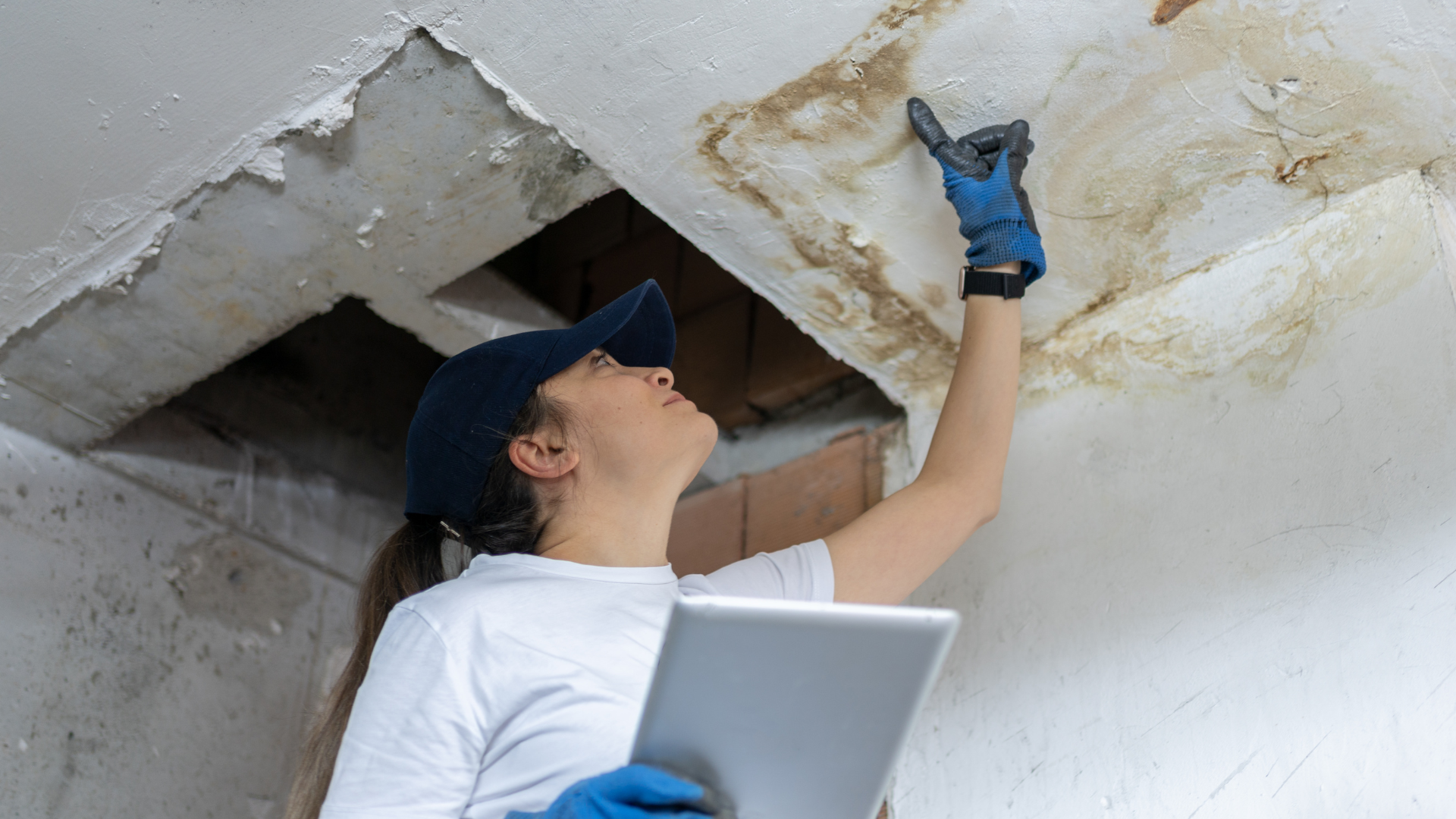
Hoarding disorder is recognized as a mental health condition, and it should be approached with care. A unit or home filled with stored items can also create real dangers for neighbors: fire risk, blocked exits, odors, pests, and water or structural damage that spreads beyond one residence. A board has to balance respect for the resident with its duty to protect the property and the people who live there.
This article is general information and is not legal advice. The association's attorney should be consulted.
Questions the Board Should Ask First
The right response depends on the facts. Before any step is taken, these questions should be considered:
- Is the resident's ability to care for themselves impaired by a disability, a mental or physical condition, or the effects of aging?
- Does the condition of the residence create a fire, health, or safety risk to others?
- Are pets or dependent children in the home being neglected?
- Do the declaration or rules require the owner to maintain the interior, and is that duty being met?
Observations should be documented with dates and specifics. Rumors and assumptions should not be relied on.
Reporting Concerns to the State
Florida's adult protective services law is found in Chapter 415 of the Florida Statutes. A "vulnerable adult" is defined in section 415.102 as a person 18 or older whose ability to perform normal daily activities, or to provide for their own care or protection, is impaired by a mental, emotional, sensory, long-term physical, or developmental disability or dysfunction, brain damage, or the infirmities of aging. Age alone does not make a person a vulnerable adult.
The definition of "neglect" in that section includes a failure by the vulnerable adult themselves to obtain the care, supervision, and services needed to maintain their physical and mental health, such as food, medicine, shelter, and medical care. Under section 415.1034, any person who knows, or has reasonable cause to suspect, that a vulnerable adult is being abused, neglected, or exploited must report it immediately. Reports are made to the Florida Abuse Hotline run by the Department of Children and Families, which accepts reports by phone and online. Concerns about the neglect of children should also be reported to the hotline.
Requesting a Welfare Check
Local law enforcement can be asked to perform a welfare check. The resident's name and address are provided, along with the specific concerns about the person's health and the condition of the home. Officers visit the residence and decide what further action, if any, is warranted. When a vulnerable adult or a child may be at risk, other agencies may become involved.
Code Enforcement and Health Authorities
When a dwelling becomes unsanitary or unsafe, government agencies may be able to act. Under section 386.041, conditions such as garbage, harmful odors, or conditions that breed flies, mosquitoes, or other disease-carrying pests can be treated as a nuisance injurious to health. The Department of Health and local health authorities are authorized to investigate and take action to abate such conditions. Local code enforcement and the fire marshal may also be contacted when building or fire codes appear to be violated.
What the Association Can Do Under Its Documents
In a condominium, section 718.111(5) gives the association an irrevocable right of access to each unit during reasonable hours when necessary to maintain, repair, or replace common elements or any part of a unit the association maintains, or to prevent damage to the common elements or to a unit. Notice should be given and the documents followed, and counsel should be consulted before entry is attempted over an owner's objection.
In a homeowners association, the association's rights depend almost entirely on the declaration. Many declarations require owners to keep their homes and lots in good repair, and violations are handled through the normal enforcement process. More detail is available in
who's responsible for inside maintenance in your HOA.
If a violation notice or fine is pursued, the statutory notice and hearing steps must be followed. Those steps are outlined in
how to properly handle HOA violation notices. Where a disability is involved, fair housing obligations should be reviewed with the attorney before enforcement begins.
A Compassionate Approach
Fines alone rarely solve a hoarding problem. Outcomes tend to be better when the resident's family or emergency contact is reached, when local nonprofits or county social services that work with hoarding are suggested, and when cleanup goals are set in reasonable stages. Every conversation should be calm, private, and documented.
Help With Difficult Situations
Situations like these are handled with the association's attorney and the appropriate agencies for the communities managed by Condominium Associates. If a concern has come up in your community,
contact us.