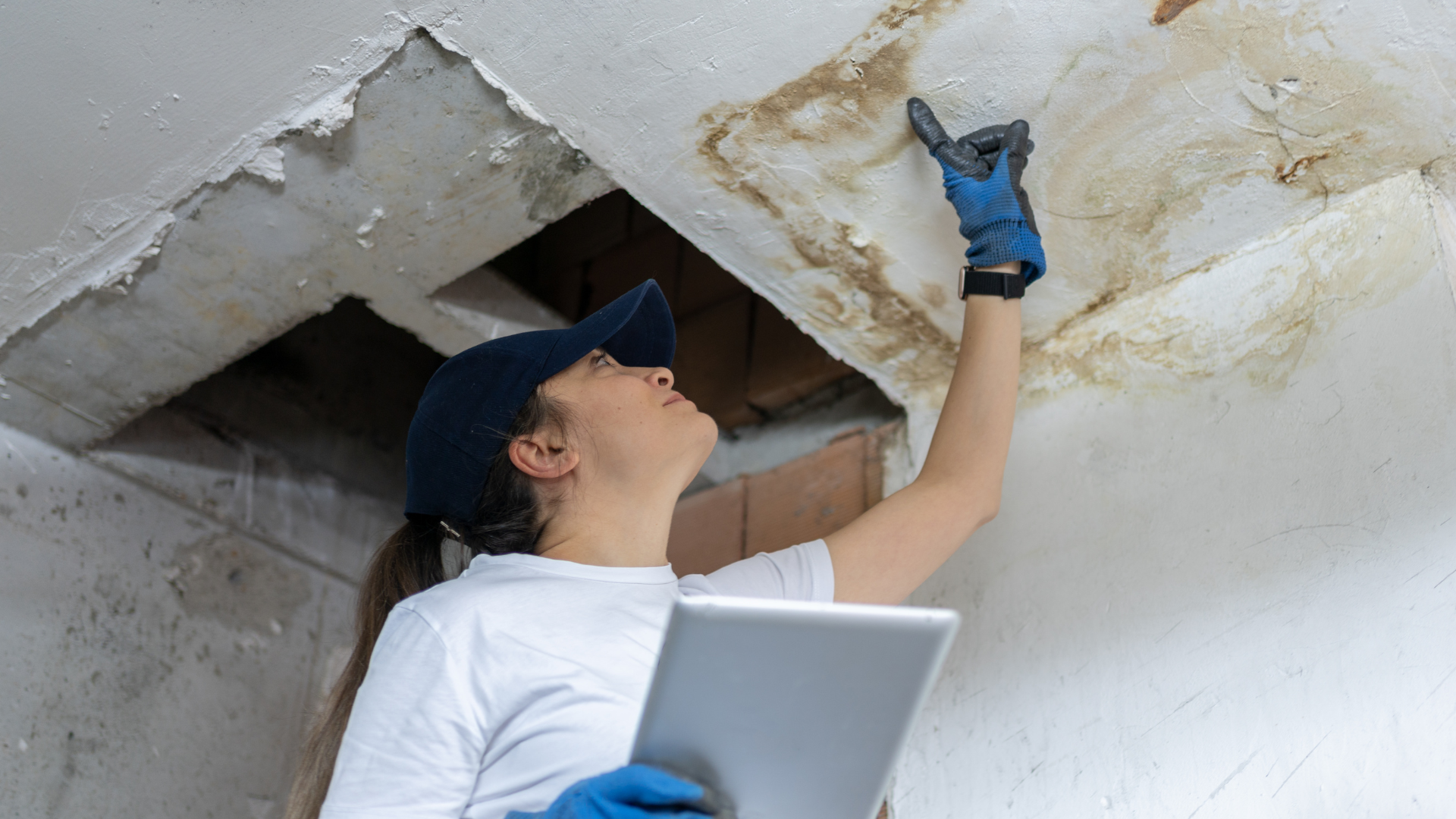
Leaks, failed water heaters, and clogged dryer vents all raise the same question: whose job is the repair. The answer depends on the type of community and on the wording of its governing documents.
This article is general information and is not legal advice. The association's attorney should be consulted.
Start With the Type of Community
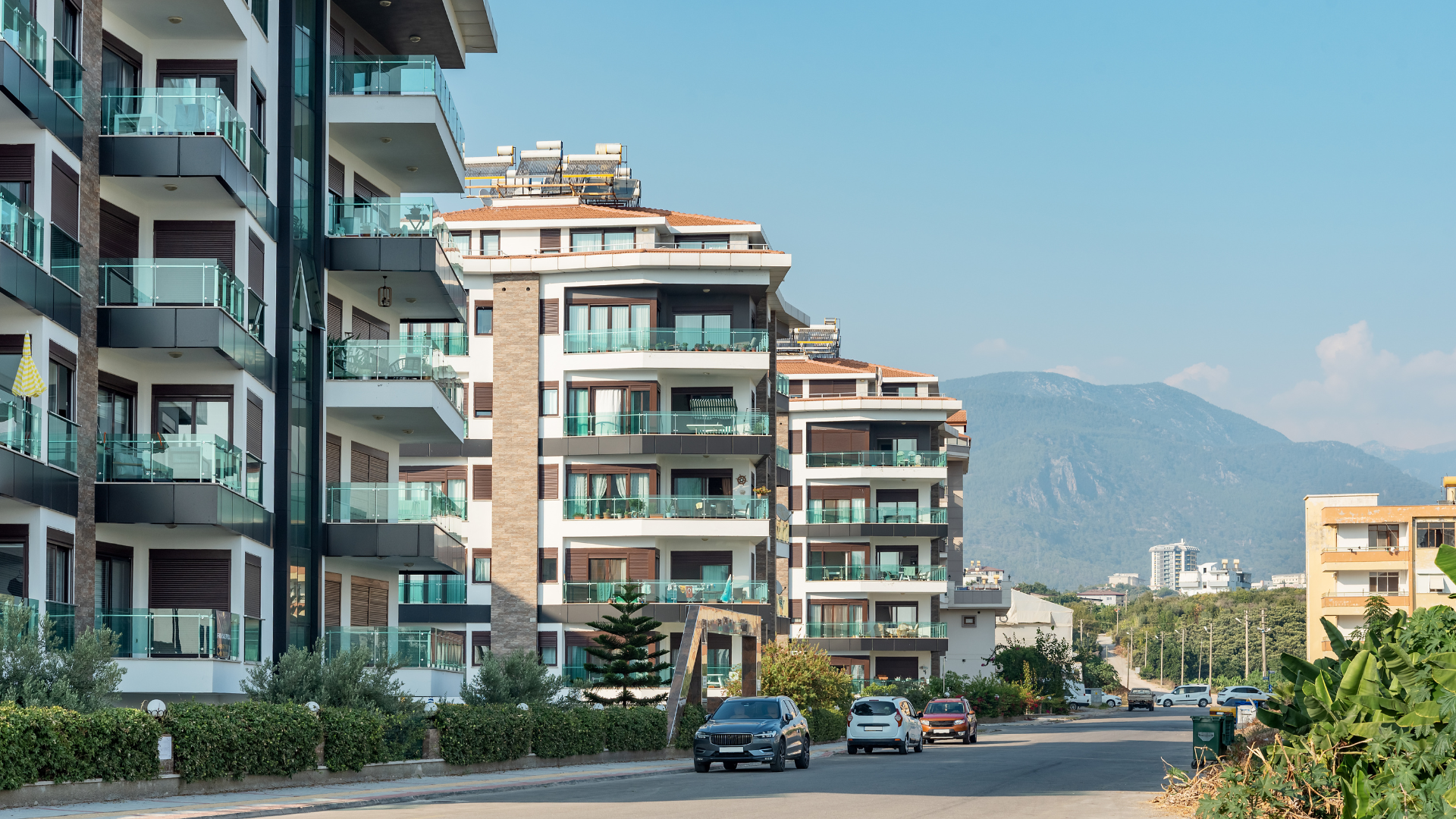
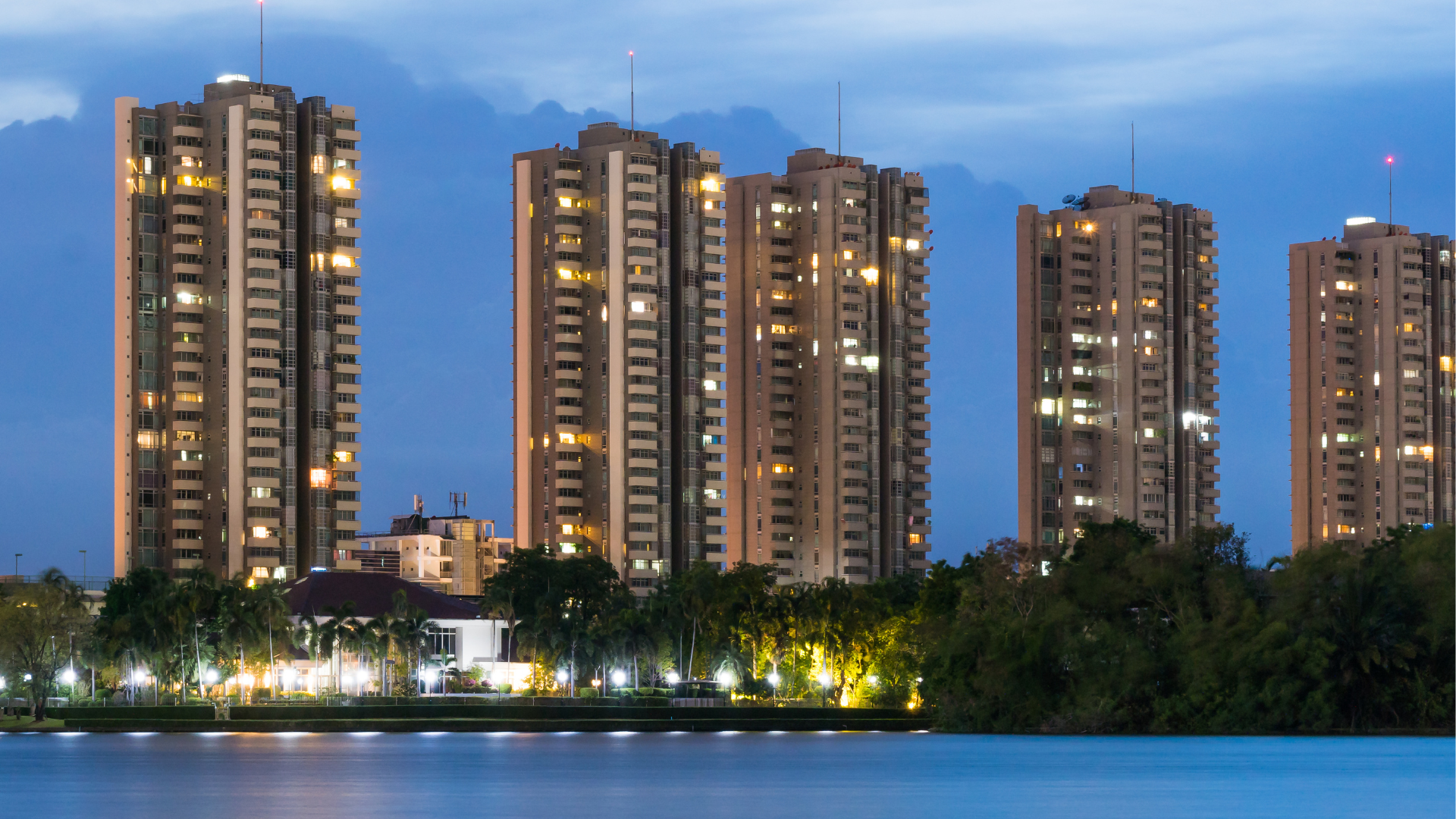
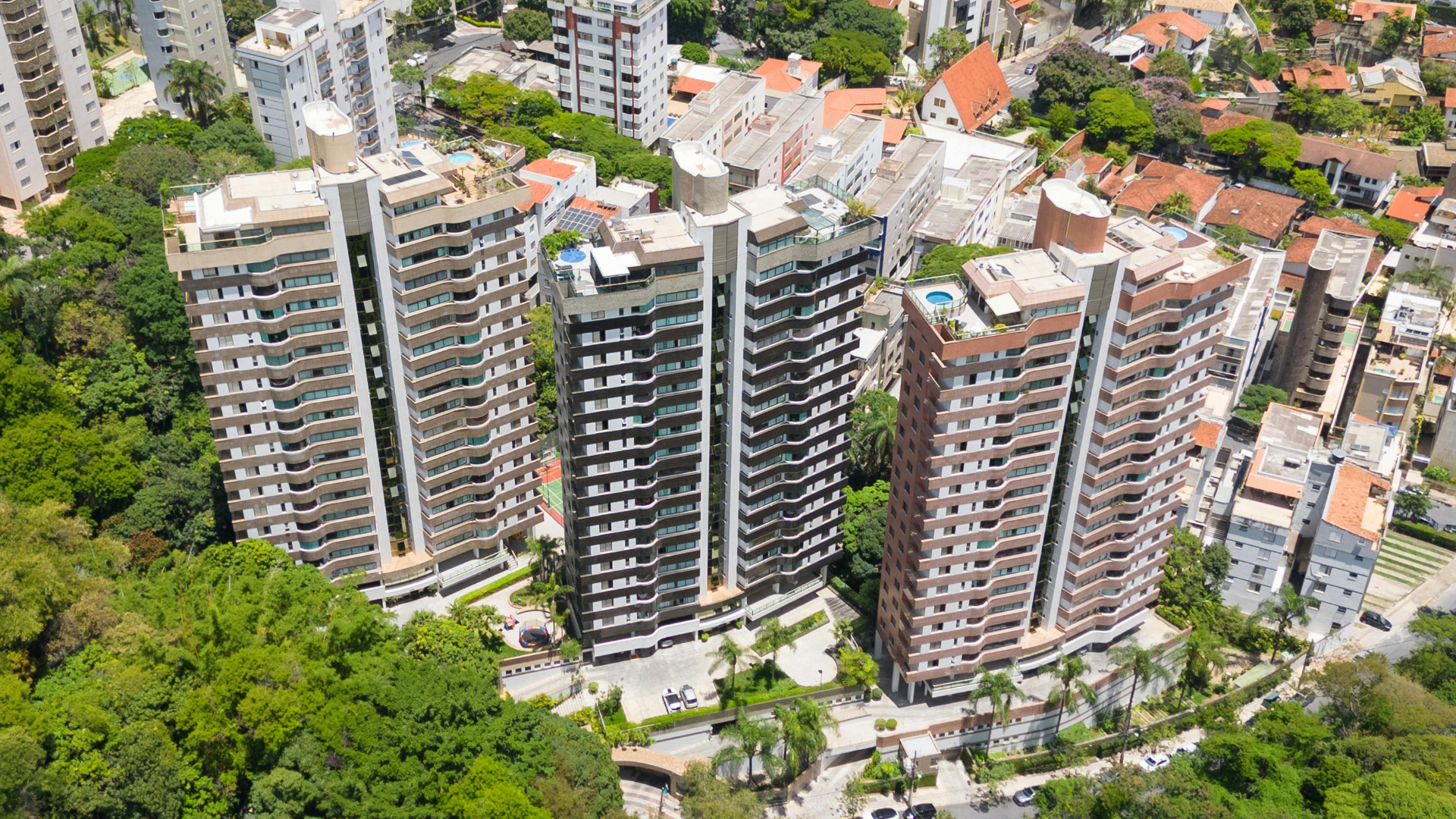
In a condominium, an owner holds title to a unit and shares ownership of the common elements. The unit boundaries are defined in the declaration of condominium, and everything outside those boundaries is a common element or a limited common element.
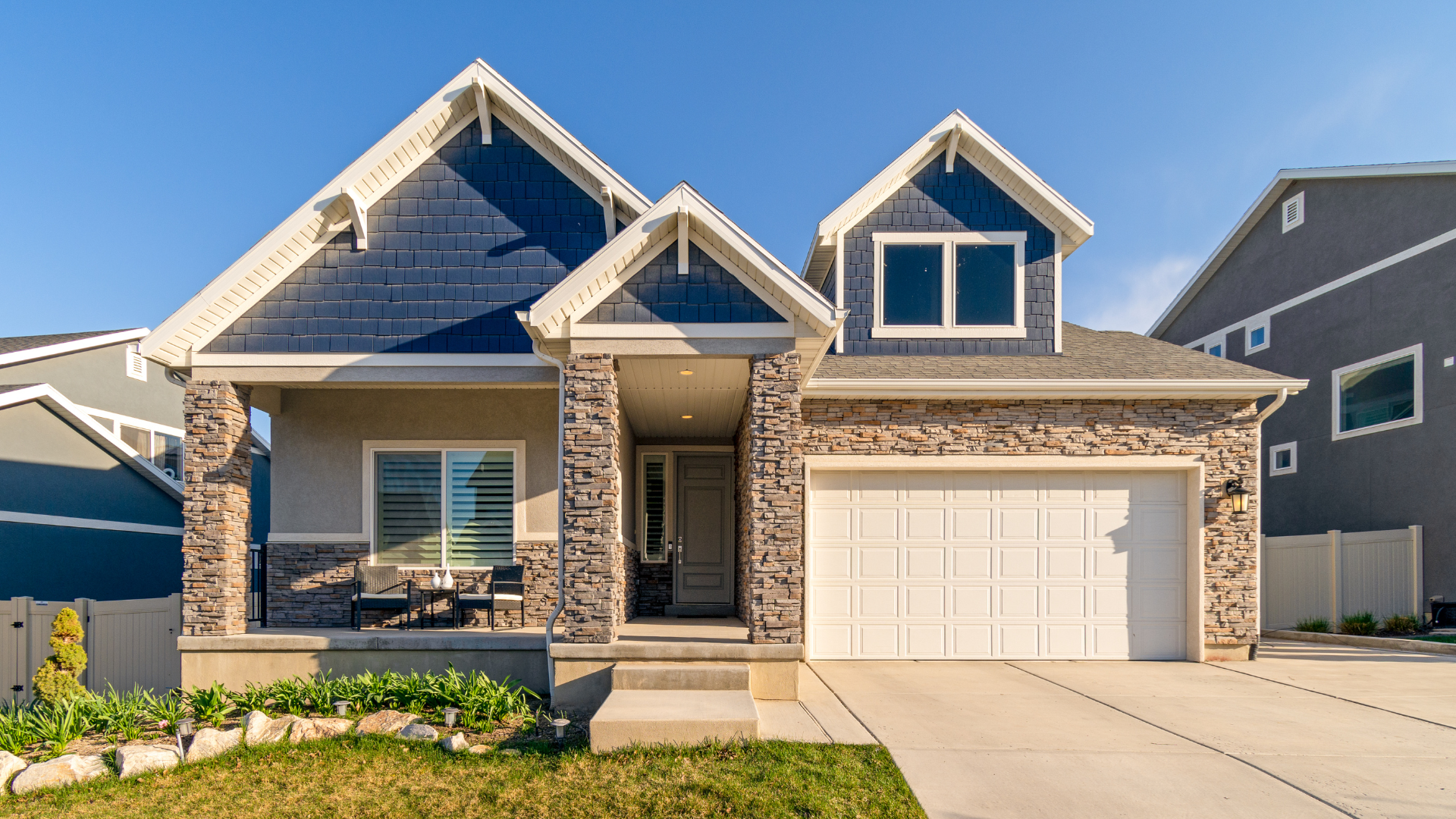
In a homeowners association of single-family homes, the owner generally holds title to the whole lot and the home on it. The association owns or controls the common areas, such as entrances, ponds, private roads, and amenities.
Condominiums: Common Elements and Units
Under section 718.113(1) of the Florida Statutes, maintenance of the common elements is the responsibility of the association, except for any maintenance of limited common elements that has been assigned to the unit owner by the declaration. The association must provide for the maintenance, repair, and replacement of the condominium property for which it bears responsibility under the declaration.
The declaration is therefore the controlling document. In many condominiums, structural walls, roofs, and shared plumbing and electrical lines are maintained by the association, while the interior of the unit is maintained by the owner. The dividing line should be confirmed in the declaration before a repair is ordered.
Limited common elements are common elements reserved for the use of one unit or a small group of units. Balconies, patios, assigned parking spaces, and storage lockers are frequent examples.
Under the same statute, the declaration may provide that limited common elements are maintained by those entitled to use them, or that maintenance is provided by the association, either as a common expense or with the cost shared only by the owners who use them.
How Insurance Follows the Same Lines
Insurance responsibility in a condominium is set by section 718.111(11). The association's property policy must provide primary coverage for all portions of the condominium property as originally installed, or replacements of like kind and quality, in accordance with the original plans and specifications.
Under paragraph (f), the following are excluded from the association's coverage when they are located within the boundaries of a unit and serve only that unit:
- Personal property within the unit or limited common elements
- Floor, wall, and ceiling coverings
- Electrical fixtures
- Appliances
- Water heaters and water filters
- Built-in cabinets and countertops
- Window treatments, including curtains, drapes, blinds, and hardware
That property, and any insurance on it, is the responsibility of the unit owner.
When there is no insurable event, the statute states that responsibility for reconstruction, repair, or replacement is determined by the maintenance provisions of the declaration or bylaws. An owner may also be held responsible for repair costs not paid by insurance when damage is caused by the intentional conduct or negligence of the owner, family members, occupants, tenants, or guests, or by a failure to follow the declaration or rules.
Shared Systems and Access to Units
Some building systems pass through units. Fire sprinkler lines, alarm devices, shared plumbing stacks, and dryer vent runs that cross common areas are examples. Responsibility for each should be confirmed in the declaration.
Under section 718.111(5), an association has an irrevocable right of access to each unit during reasonable hours when necessary for the maintenance, repair, or replacement of common elements or of any portion of a unit maintained by the association, or as necessary to prevent damage to the common elements or to another unit.
Homeowners Associations: The Declaration Controls
For a single-family home in an HOA, the interior is the owner's responsibility. No general duty to maintain the inside of a home is placed on the association by Chapter 720. In fact, under section 720.3035, an association may not adopt or enforce a covenant, rule, or guideline that limits or places requirements on the interior of a structure that is not visible from the parcel's frontage, an adjacent parcel, an adjacent common area, or a community golf course.
Exterior duties differ by community. In some townhome and villa communities, roofs, exterior painting, or lawn care are assigned to the association by the declaration.
What Boards Can Do
- A one-page maintenance responsibility chart, based on the declaration, should be prepared and reviewed by the association's attorney
- Owners should be reminded each year to check water heaters, supply lines, air conditioning drain lines, and dryer vents
- The association's insurance agent can be invited to an owners' meeting to explain what is covered by the master policy
- Reserve planning for association components should be kept current, as discussed in our post on
the importance of reserves
Help Sorting Out Maintenance Questions
Maintenance requests, vendor coordination, and owner notices are handled for the communities managed by Condominium Associates. To discuss your association's maintenance program,
contact us.