Hurricanes and severe storms are part of life in Florida, and the hours and days after a storm set the tone for the community's recovery. Boards that know the order of operations recover faster, spend less, and protect owners and residents from avoidable harm.
This article is general information and is not legal advice. The association's attorney should be consulted.
Safety Comes First
Before cleanup begins, the property should be checked for hazards. Downed power lines should be reported to the utility and avoided. Flood water may be contaminated and may hide debris or electrical hazards, so waterproof boots and gloves should be worn by anyone who must enter it. Buildings with visible structural damage should not be entered until they have been checked by a qualified professional.
Document Everything
Damage should be photographed and recorded before repairs begin, with dates and locations. Video of each building, common area, and amenity is helpful. Receipts for emergency work, materials, and equipment should be kept.
The association's insurance agent should be notified as soon as possible. Florida law sets deadlines for property insurance claims. Under section 627.70132 of the Florida Statutes, a claim or reopened claim is barred unless notice is given to the insurer under the policy terms within 1 year after the date of loss, and a supplemental claim must be noticed within 18 months. For hurricanes, the date of loss is the date the hurricane made landfall. Owners should be reminded to report damage to their own insurers as well.
Prevent Further Damage
Most policies expect reasonable steps to be taken to prevent more damage. Broken windows and doors should be boarded, tarps should be secured over roof openings, and those efforts should be photographed and logged.
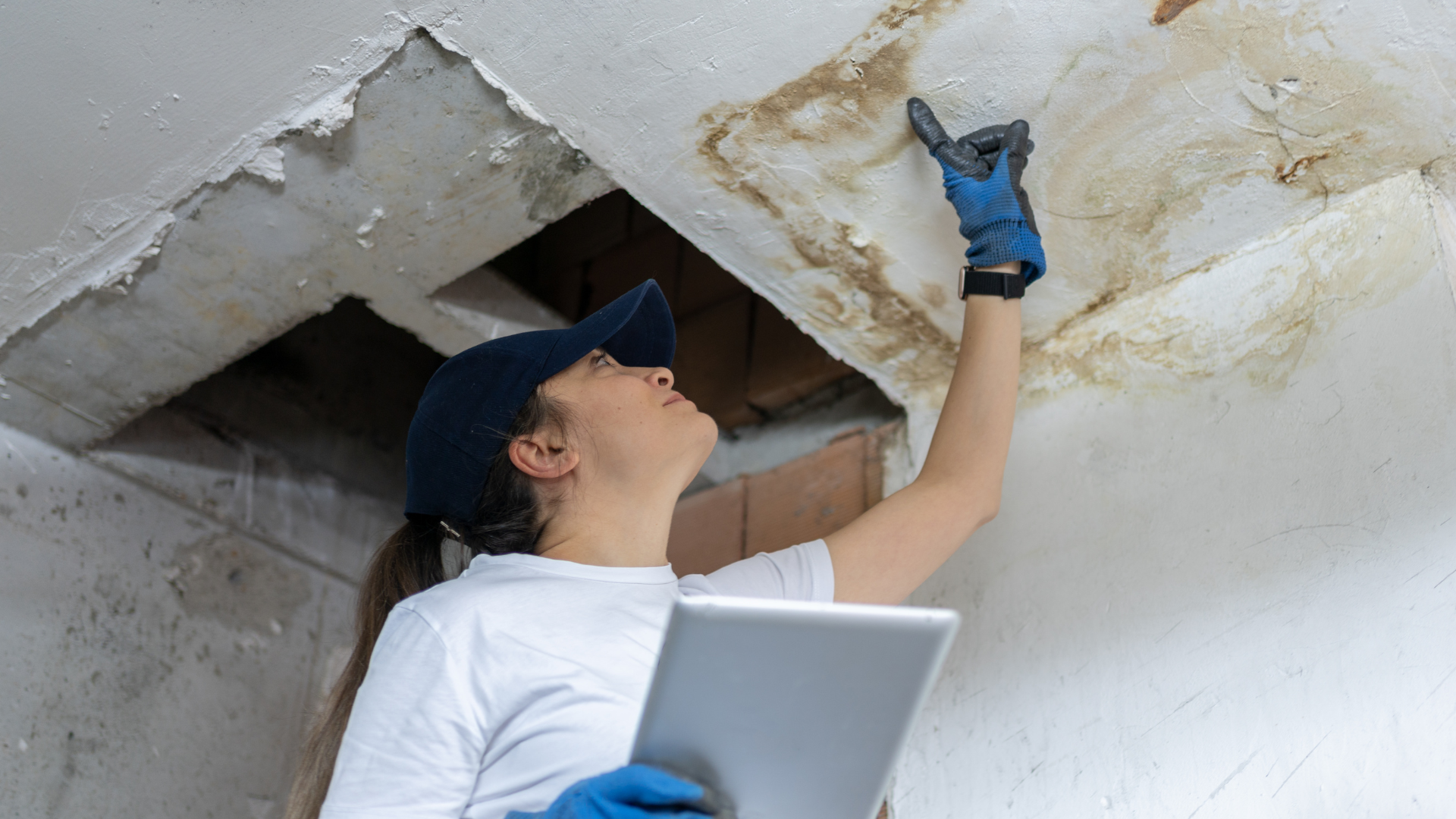
Water should be removed as quickly as it is safe to do so. Pumps, wet vacuums, fans, and dehumidifiers speed drying, and doors and windows can be opened when the weather allows. Mold can begin to grow quickly in warm, wet conditions, so wet carpet, drywall, insulation, and other materials that cannot be dried should be removed and discarded after they are documented.
Clear Debris and Check Trees
Loose trash cans, patio furniture, branches, and other debris become hazards in streets and walkways. Debris should be cleared from roads, sidewalks, and drains as soon as it is safe. Local governments usually announce separate collection schedules for vegetation, construction debris, and household items, and debris should be sorted according to those instructions.
Trees with split trunks, large broken limbs, or roots lifted from the soil are unstable and may fall in the next storm. A certified arborist should be asked to assess damaged trees near homes, roads, and play areas. Damaged trees should be removed or trimmed promptly, and irrigation systems should be checked for broken heads and lines.
Use Emergency Powers Carefully
When a state of emergency has been declared for the area, Florida law gives boards temporary emergency powers. Under section 720.316 for homeowners associations and section 718.1265 for condominiums, unless the governing documents specifically prohibit them, these powers include:
- Holding meetings by telephone or video with notice given as practicable
- Contracting for debris removal and removing wet drywall, insulation, carpet, and similar materials to prevent mold
- Deciding, on the advice of officials or licensed professionals, whether areas can be safely occupied
- Levying special assessments and borrowing money without an owner vote when needed for emergency repairs
In a condominium, the board may also contract for work that is the owners' responsibility, such as drying units or boarding windows, when needed to prevent further damage, and the owners must reimburse the cost. These powers are limited to the time reasonably necessary to protect health and safety and to make emergency repairs. Counsel should be consulted before they are used.
Hire Contractors With Care
After a major storm, unlicensed and unqualified contractors often appear. Licenses and insurance should be verified, references checked, and written contracts signed before work begins. Large up-front payments should be avoided. A manager or facilities professional can help coordinate vendors, as described in
what a facilities manager does and why it matters. Funding recovery costs is far easier with healthy savings, a subject covered in
consequences of not having cash reserves.
Help With Storm Recovery
Storm preparation, damage documentation, vendor coordination, and insurance claims are handled for the communities managed by Condominium Associates. To talk about your community's storm plan,
contact us.