Some parts of a community are shared by everyone, while others are set aside for one owner or a small group. A balcony, an assigned parking space, a storage closet, or a patio may belong to the common property but be used by only one household. Questions about who may use these areas, who repairs them, and whether they can be changed come up often.
This article is general information and is not legal advice. The association's attorney should be consulted.
What the Term Means in Florida
In a Florida condominium, the statute uses the term "limited common elements." Under section 718.103 of the Florida Statutes, limited common elements are common elements reserved for the use of a certain unit or units to the exclusion of all other units, as specified in the declaration. The same section defines common elements as the portions of the condominium property not included in the units.
The key phrase is "as specified in the declaration." Whether an area is a limited common element depends on the condominium documents, not on how it has been used over the years.
In a homeowners association, Chapter 720 does not use the same term. Any exclusive use rights in an HOA come from the declaration, plat, or other recorded documents, so those documents should be read first.
Space Assigned by the Board
When a club or group asks for a locked storage room, the request is usually handled as permission to use a common area, not as the creation of a limited common element. Unless the declaration designates the space, it remains common property, and the board's permission can normally be set out in a written use agreement or license with clear terms. Such an arrangement should be reviewed by counsel before it is signed.
Who Repairs What
Under section 718.113(1), maintenance of the common elements is the association's responsibility, except for any maintenance of limited common elements that the declaration assigns to the unit owner. The declaration may provide that certain limited common elements are maintained by the owners who use them, or that the association maintains them either as a common expense or with the cost charged only to those owners. If costs are charged only to the users, the declaration must describe in detail how the costs are divided.
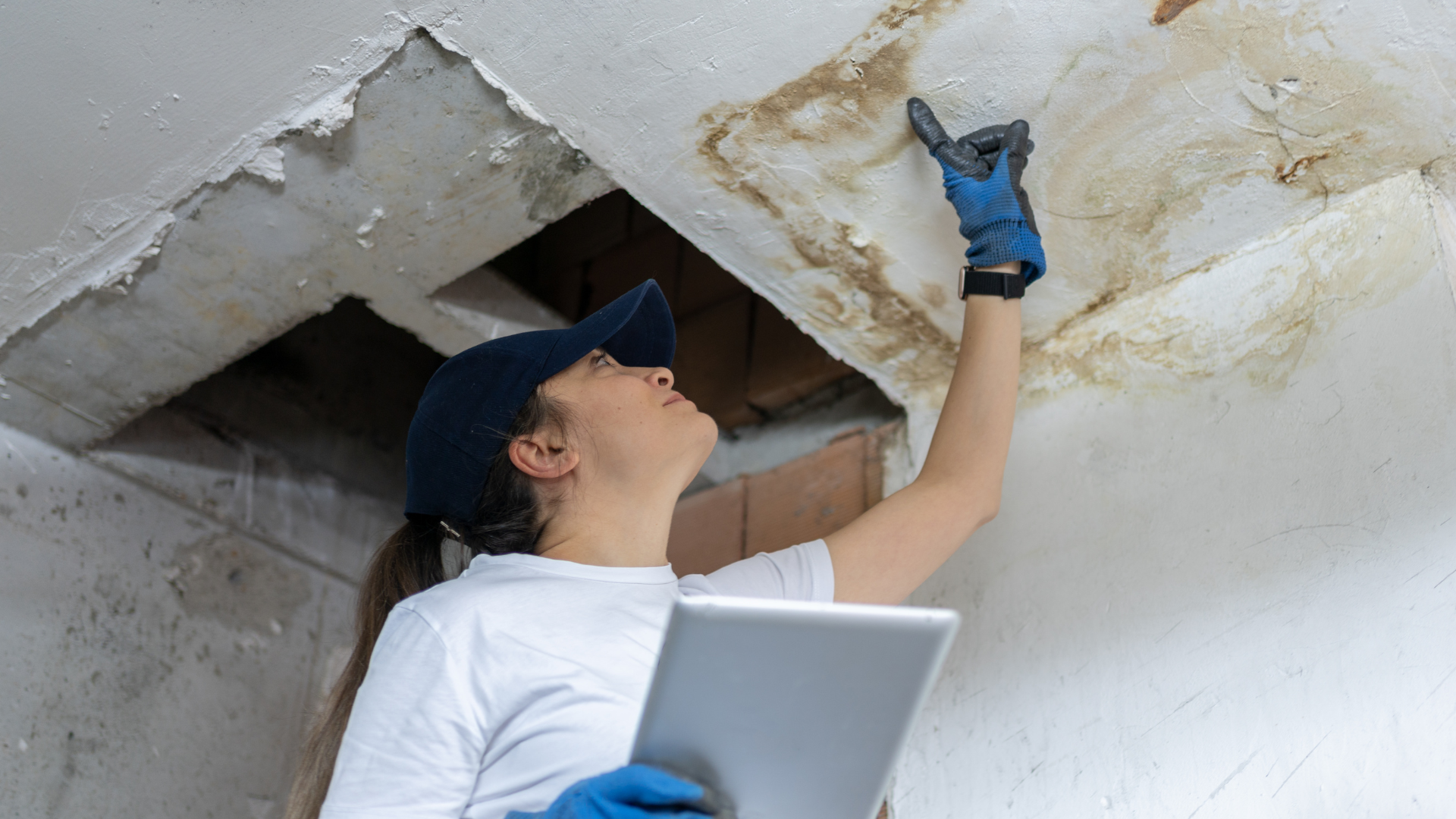
Plumbing is a common source of dispute. When a pipe serving only one unit fails outside the unit, the answer depends on several questions:
- Where does the declaration place the unit boundaries?
- Is the pipe described as part of the unit, a limited common element, or a common element?
- Who is assigned maintenance of that item?
- Is a separate rule set for damage to the unit's interior, such as flooring and drywall?
Insurance responsibilities may follow a different set of rules than maintenance, so both should be checked. Related questions are covered in
who's responsible for inside maintenance in your HOA.
Changing How an Area Is Classified
Some communities want to make owners responsible for items that serve only their units. Under section 718.110(14), a portion of the common elements that serves only one unit or a group of units, other than areas designed for use by all owners, may be reclassified as a limited common element by the vote required to amend the declaration. Such a change requires the owner vote needed to amend the declaration; it cannot be made by board resolution alone.
When an Owner Takes Over Common Space
Problems arise when an owner encloses or absorbs common space into a unit without approval, for example by opening a wall to add a storage room to the unit or turning it into a separate living space.
Several Florida rules may apply in a condominium:
- Under section 718.113(2)(a), material alterations or substantial additions to the common elements must be approved as the declaration provides. If the declaration is silent, 75 percent of the total voting interests must approve before work begins.
- Under section 718.110(4), unless the original declaration provides otherwise, an amendment may not materially change the size or configuration of a unit or materially alter its appurtenances unless the unit owner and lienholders join and all other unit owners approve.
- Building permits and local codes apply regardless of association approval.
When unauthorized work is found, the board should document it, stop further work, and refer the matter to the association's attorney promptly. Common area policies are discussed further in
HOA practices for common areas.
Questions About Your Community
The governing documents control most exclusive use questions, and each community's documents are different. Document review and owner requests are handled with counsel for the communities managed by Condominium Associates. For help with a question in your association,
contact us.