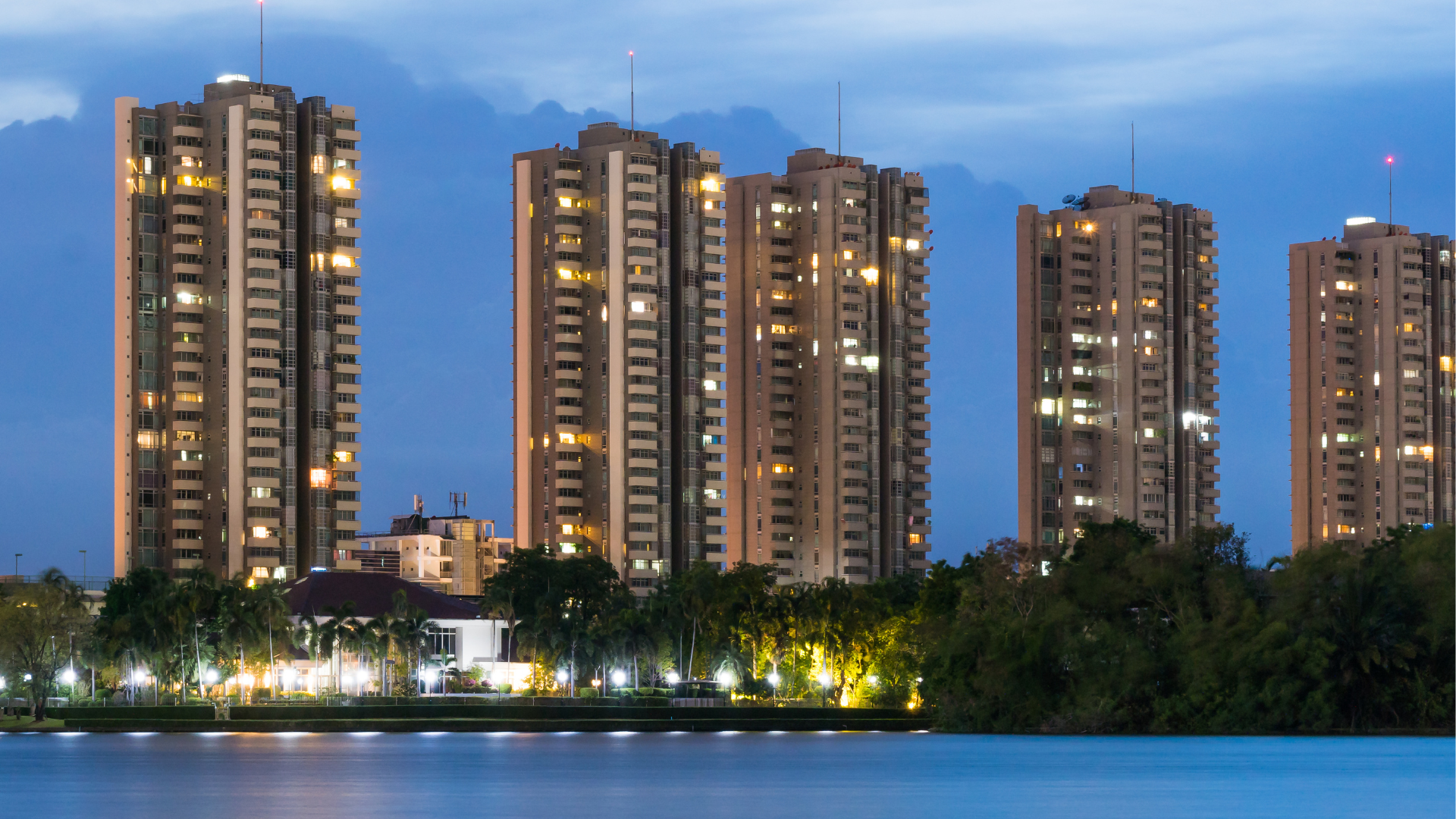
Emergencies cannot be predicted, but they can be planned for. In Florida, hurricanes are the most familiar threat, and fires, floods, power outages, equipment failures, and medical emergencies can happen at any time of year. An emergency plan prepared in advance helps the board act quickly, protect residents and property, and recover sooner.
This article is general information and is not legal advice. The association's attorney should be consulted.
Assess the Hazards
The plan starts with a list of what could realistically affect the community. Common hazards include:
- Hurricanes, tropical storms, and flooding
- Fires in buildings or common areas
- Extended power or water outages
- Failure of elevators, gates, pumps, or other equipment
- Medical emergencies at the pool, clubhouse, or fitness room
- Hazards from nearby industrial sites or major roadways
The community's location, building types, flood zone, and amenities all shape the list. Each hazard should then be matched with a specific set of procedures.
Write Procedures for Each Event
Procedures generally fall into two groups:
- Evacuation and building procedures for events that affect the whole community, such as hurricanes or fires. These cover how residents are notified, how buildings are secured, and when equipment is shut down.
- Localized procedures for events that affect one person or a small area, such as a medical emergency, a stuck elevator, or a burst pipe. These cover who is called and how the area is made safe.
For hurricanes, the plan should cover the period before landfall, the storm itself, and recovery. Typical items include securing outdoor furniture, protecting openings, confirming vendor contacts, documenting the property with photographs before and after the storm, and arranging inspections once it is safe. Evacuation orders and shelter information come from county emergency management, and residents should be directed to those official sources.
Gather Supplies and Contacts
Supplies depend on the plan. Items commonly kept on hand include fire extinguishers, first aid kits, flashlights and batteries, and printed copies of emergency procedures. An updated list of emergency contacts is just as important: vendors for debris removal, roofing, water extraction, and generators, plus the insurance agent, the association's attorney, and the engineer. Agreements with key vendors can be arranged before hurricane season. The insurance agent can also review the association's coverage and any obligations that apply after a loss.
Train and Review
A plan helps only if the people carrying it out understand it. Good practices include:
- Reviewing the plan with each new board and committee member
- Updating it each year, ideally before hurricane season begins on June 1
- Holding drills where appropriate, such as fire drills in multistory buildings
- Making the plan easy for directors and staff to find, in print and online
The board's wider responsibilities are described in
the role of the board of directors.
Protect Records and Communication
Association records and financial data should be stored in a secure, off-site or cloud-based system that can be reached from anywhere. Backups should be tested regularly so they work when needed. Bank access, insurance policies, contracts, and owner contact lists should be available even if the office is closed.
Communication channels should be decided in advance. The board should choose a primary channel, such as email, text alerts, or the association website, and a backup in case power or internet service is down. More than one person should have the logins needed to post updates.
Know the Board's Emergency Powers
Florida law gives boards extra authority during a declared emergency. Under sections 720.316 and 718.1265, when a state of emergency is declared for the area, and unless the governing documents specifically prohibit it, the board may take steps that include:
- Holding meetings by telephone or video with notice given in any practicable manner
- Canceling and rescheduling association meetings
- Carrying out a disaster plan, including shutting off elevators, electricity, water, or security systems
- Closing parts of the property based on the advice of emergency officials or licensed professionals
- Acting to prevent further damage, including debris removal and mold mitigation
- Levying special assessments and borrowing money without an owner vote when needed for emergency repairs
These powers last only as long as reasonably necessary to protect health, safety, and welfare and to make emergency repairs. Decisions should be documented and communicated to owners. Related guidance on finances is available in
consequences of not having cash reserves.
Help With Emergency Planning
Emergency plans, vendor lists, and owner communication are prepared and maintained for the communities managed by Condominium Associates. To talk about preparing your community,
contact us.