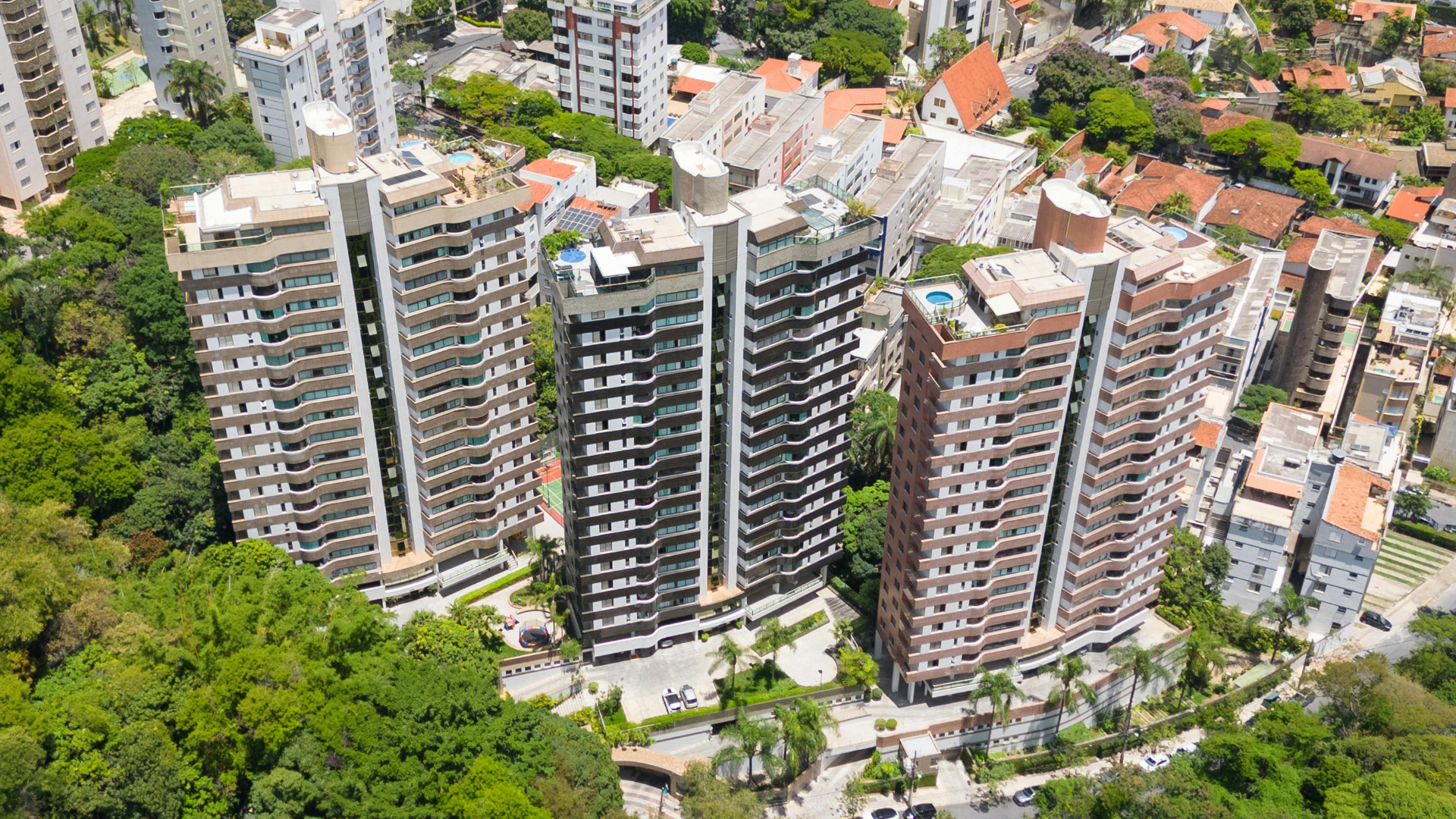
Every community has a picture of what it wants to be. The entrance should look inviting, the amenities should be in good repair, and owners should feel their money is well spent. Turning that picture into results takes more than good intentions. It takes a plan that the board agrees on, a clear process for hiring the right partners, and steady communication from start to finish.
This article is general information and is not legal advice. The association's attorney should be consulted.
Start With Board Alignment
Projects come from many directions. Vandalism at the pool may lead to a new camera system. Complaints at the front gate may call for a new access control system. Tired landscaping, an outdated clubhouse, or failing pavement may need attention to keep the community attractive to buyers.
The first step is identifying the main issues and agreeing on which ones matter most. The board should discuss:
- What problem each project is meant to solve
- How urgent it is, especially when safety or building integrity is involved
- What the reserve study and maintenance records show
- How the project fits within the budget and reserves
- What owners have said in surveys, meetings, and complaints
Once priorities are agreed on and recorded in the minutes, the board can move forward with a shared focus. Without that agreement, projects tend to stall or change direction partway through.
Gather and Compare Bids
With priorities set, qualified contractors and consultants should be contacted for proposals. A manager or project manager often has working relationships with reliable vendors and can help attract strong bidders. Enough time should be allowed for vendors to visit the property, ask questions, and prepare complete proposals.
Florida law sets bidding requirements for larger contracts. Under section 720.3055, a homeowners association must obtain competitive bids when a contract requires payment that exceeds 10 percent of the total annual budget, including reserves. Under section 718.3026, a condominium association must obtain competitive bids when the payment exceeds 5 percent of the total annual budget, including reserves. Certain professional services, such as attorneys, accountants, engineers, and community association managers, are exempt, and the lowest bid does not have to be accepted under either section. Contracts covered by these sections must be in writing.
When bids are compared, the price is only one factor. The board should also look at:
- Whether each proposal addresses the same scope of work
- The solution each vendor recommends and why
- Licensing, insurance, and references
- The proposed schedule
- Warranty terms and payment terms
Questions should be put to each bidder, and the answers should be shared with the full board before a vote.
Communicate Throughout the Project
Timelines shift and unexpected costs come up on almost every project. These challenges are managed best when communication is clear. The contractor should have one main point of contact, whether that is the board president, the community manager, or a dedicated project manager. Mixed instructions from several directors create confusion and change orders.
A written calendar should be kept with key dates: when bids are due, when the decision will be made, when work will begin, and when each phase should be finished. Responsibilities should be assigned by name. Progress should be reported at each board meeting, and owners should receive updates on schedules, disruptions, and costs.
Plan Together Every Year
A planning session at least once a year helps the board, the manager, and key committee members review the community's strengths, weaknesses, and opportunities. It also helps the association avoid simply reacting to problems as they come up. A planning session can be used to:
- Review the reserve study and upcoming replacements
- Update a list of projects for the next one to five years
- Identify needs that are not yet funded
- Set goals for communication and owner involvement
Expectations for the manager's role in this process are covered in
setting expectations for your HOA management company, and the financial side is discussed in
understanding the importance of reserves for your condo or HOA.
Help With Planning and Projects
A strategic plan tells owners where the community is headed and keeps projects on course when problems arise. Bid coordination, project tracking, and budget planning are provided by Condominium Associates for the communities it manages. To talk about your association's plans,
contact us.