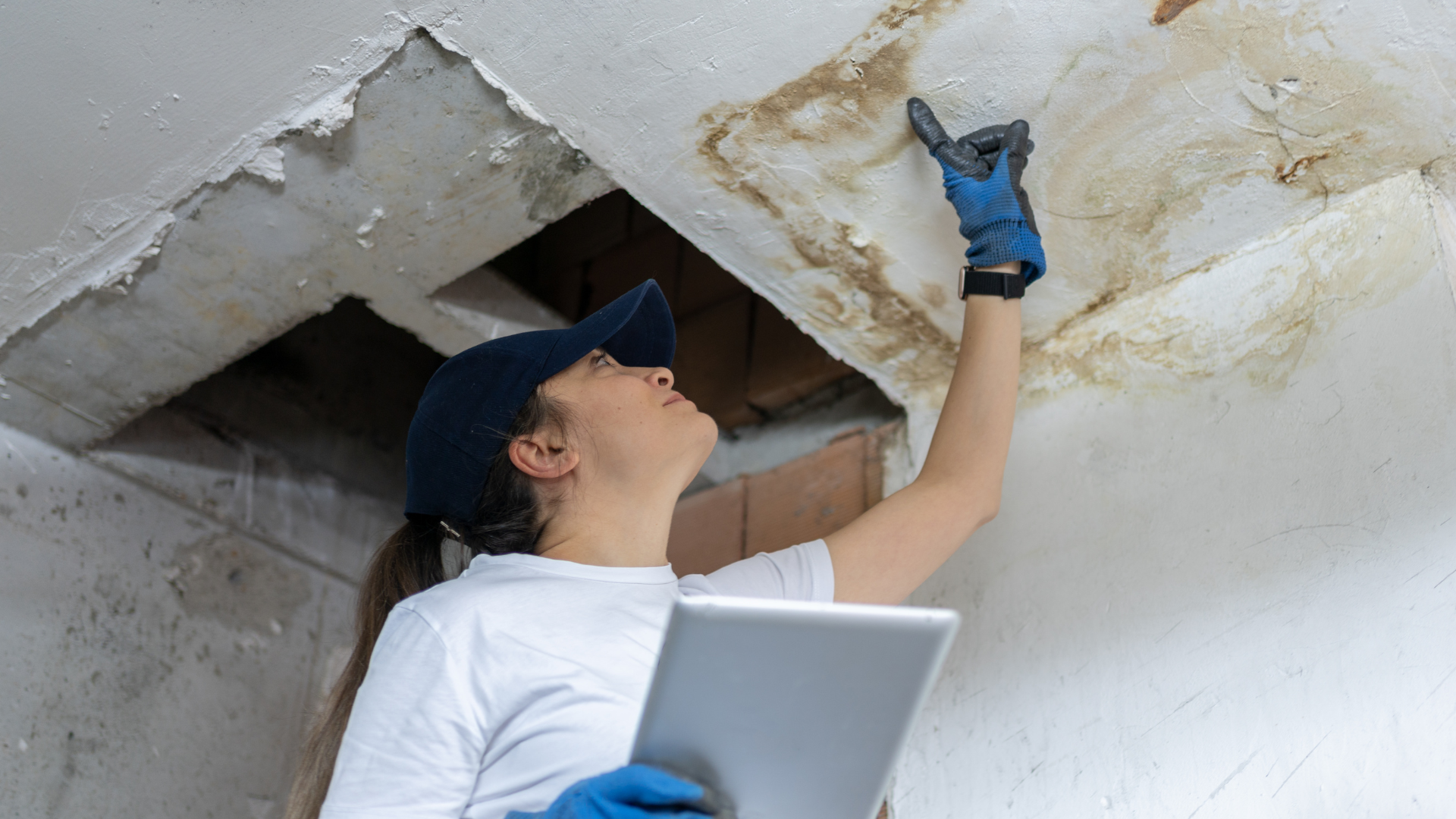
A construction defect can turn a routine project into years of repairs, disputes, and cost. Defects are found in new buildings, in major renovations, and in smaller projects such as roofing, window replacement, or paving. For an association, the goal is to prevent defects where possible, find them early when they occur, and act before legal deadlines pass.
This article is general information and is not legal advice. The association's attorney should be consulted.
What Counts as a Construction Defect
Florida law defines the term in section 558.002 of the Florida Statutes. In summary, a construction defect is a deficiency in the design, specifications, surveying, planning, supervision, construction, repair, alteration, or remodeling of real property that results from any of the following:
- Defective materials, products, or components
- A violation of the building codes in effect at the time of construction or remodeling
- A design that fails to meet the professional standard of care
- Work that is not done according to accepted trade standards for good and workmanlike construction
Common Types of Defects
Design defects. An error or omission is made in the plans, such as poor drainage design or inadequate waterproofing details. If caught during construction, a design problem can often be corrected through a change order. If found later, it may need to be addressed through a warranty claim or a legal claim.
Material defects. A product fails to perform as intended, such as windows that leak, roofing that deteriorates early, or stucco systems that crack. The manufacturer may share responsibility, but replacement can still be disruptive and expensive.
Workmanship defects. These are among the most common. Work is not completed according to the approved plans, the building code, or accepted trade standards. Examples include improper flashing, missing fasteners, and poorly sealed penetrations.
How Defects Can Be Avoided
Build the right team. For major projects, a licensed engineer or architect should prepare or review the scope, and an independent construction consultant or project manager can be hired to represent the association. Most managers are not trained as construction professionals, so outside expertise is worth the cost.
Check credentials. Contractor licenses, insurance, references, and recent similar projects should be verified before a contract is signed.
Write a clear contract. The scope, materials, schedule, payment terms, warranties, and the process for change orders should be spelled out. The association's attorney should review the contract.
Inspect throughout the job. Required building department inspections should be confirmed, and the association's own consultant should observe key stages, such as waterproofing and roofing, before the work is covered up.
Document everything. Photographs, daily logs, product data sheets, permits, inspection reports, and change orders should be kept. Under Florida law, plans, specifications, permits, and warranties for improvements the association must maintain are part of the official records.
The Deadlines That Matter
Two time limits in section 95.11(3)(b) of the Florida Statutes are especially important:
- An action founded on the design, planning, or construction of an improvement to real property must generally be brought within 4 years. The time runs from the earliest of the temporary certificate of occupancy, certificate of occupancy, certificate of completion, or abandonment of construction. For a latent defect, the time runs from when the defect is discovered or should have been discovered with due diligence.
- In any event, the action must be started within 7 years after the earliest of those same dates. This is known as the statute of repose. Warranty repairs to completed work do not extend it.
When a project involves multiple buildings, each building is treated as its own improvement for these deadlines.
The Chapter 558 Notice Process
Before a construction defect lawsuit is filed, a written notice of claim must be served under section 558.004. For an association representing more than 20 parcels, the notice must be served at least 120 days before an action is filed. Other claimants must serve notice at least 60 days before filing. The notice must describe each alleged defect in reasonable detail and identify its location. The contractor then has a set period to inspect and may offer to repair, pay, or dispute the claim.
Serving a notice of claim does not pause the statute of repose. For that reason, suspected defects should be reported to the association's attorney promptly.
Help With Construction Projects
Bid coordination, contractor oversight, and project records are handled for the communities managed by Condominium Associates. The role of on-site staff is covered in
what a facilities manager does and why it matters. To talk about an upcoming project,
contact us.