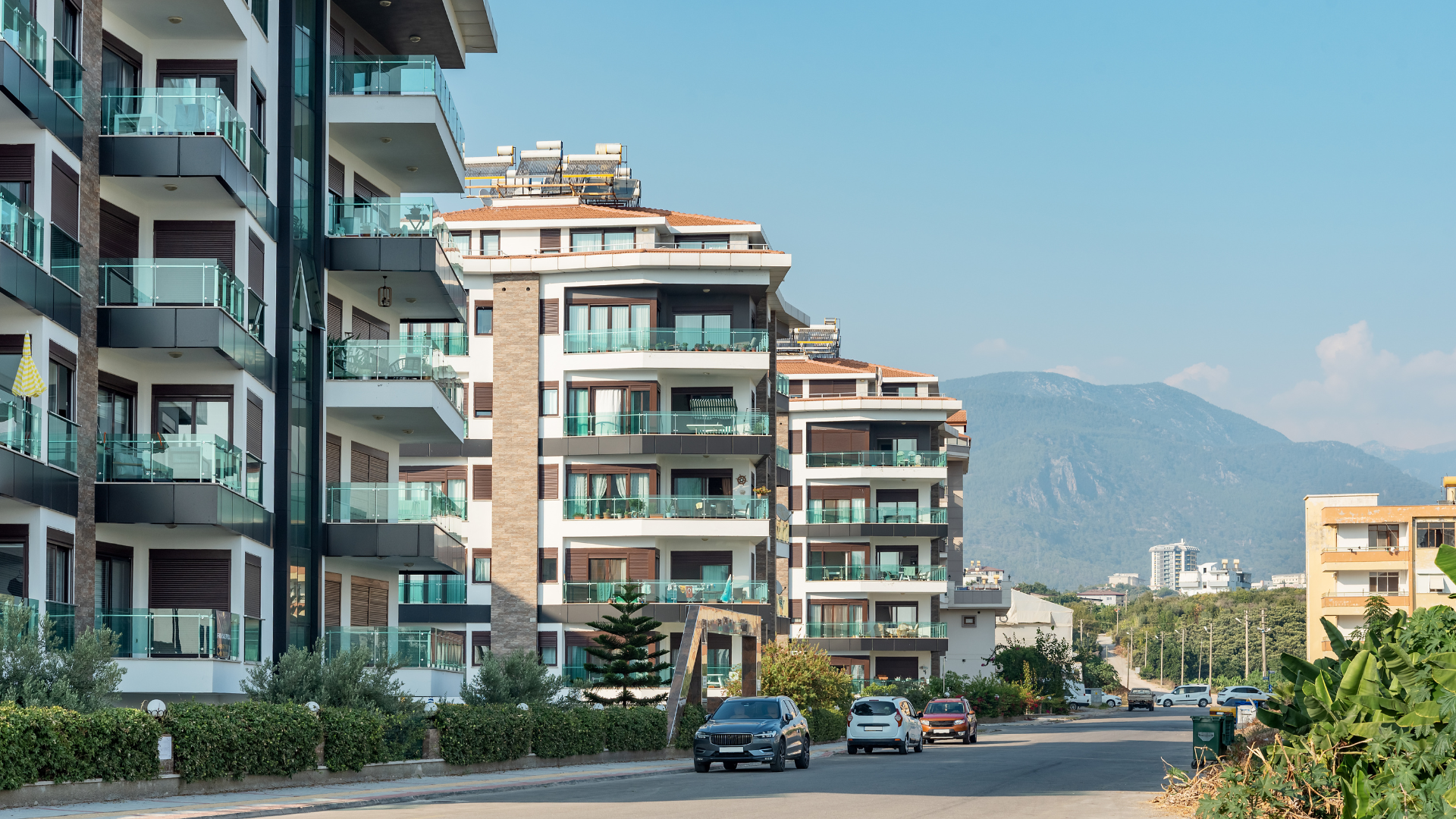
Every building and common area wears out over time, and Florida's sun, humidity, salt air, and storms speed up the process. When a component reaches the end of its useful life, the replacement choice matters. A more durable option may cost more at the start but can reduce repairs, service calls, and future special assessments.
The six projects below are worth considering when a condominium building, clubhouse, or other association facility is due for work. Each should be planned with the reserve study in mind and reviewed by qualified professionals.
1. Exterior Walls and Coatings
The exterior is the building's first defense against water. Many Florida buildings are finished in stucco, which should be inspected for cracks and sealed before water can reach the structure behind it. High-quality elastomeric coatings are often used on stucco because they flex with small movements and resist moisture. On buildings with siding, fiber cement and other low-maintenance materials are commonly chosen for their resistance to rot and insects.
A regular repainting and sealing cycle should be built into the reserve schedule. Skipping it to save money in one year usually leads to larger repair bills later.
2. Impact-Rated Windows and Doors
Windows and exterior doors are among the most important parts of a Florida building. Impact-rated products can protect the building interior during storms, reduce the need for shutters, and help with energy costs. They may also help with insurance, since wind mitigation features are considered by many insurers.
Product approvals, permits, and installation must meet the Florida Building Code and local requirements. In a condominium, the declaration determines whether windows and doors are maintained by the association or by unit owners, and owners may need board approval before replacing them. Responsibility questions are discussed in
who is responsible for inside maintenance in your HOA.
3. Roofing and Insulation
A well-installed roof with proper underlayment and attic insulation keeps water out and reduces cooling costs. Light-colored or reflective roofing can lower heat gain. Good insulation between units and in common walls can also reduce noise complaints between neighbors.
Roof replacement is a major project. A licensed roofing contractor should be used, and an independent consultant can help write the scope and inspect the work.
4. Durable Flooring in Common Areas
Clubhouses, lobbies, hallways, and fitness rooms see heavy use. Luxury vinyl plank and porcelain tile are popular choices because they resist moisture, clean easily, and stand up to foot traffic. Natural wood, by contrast, is more easily scratched and damaged by water. Slip resistance should be considered for entrances and pool areas.
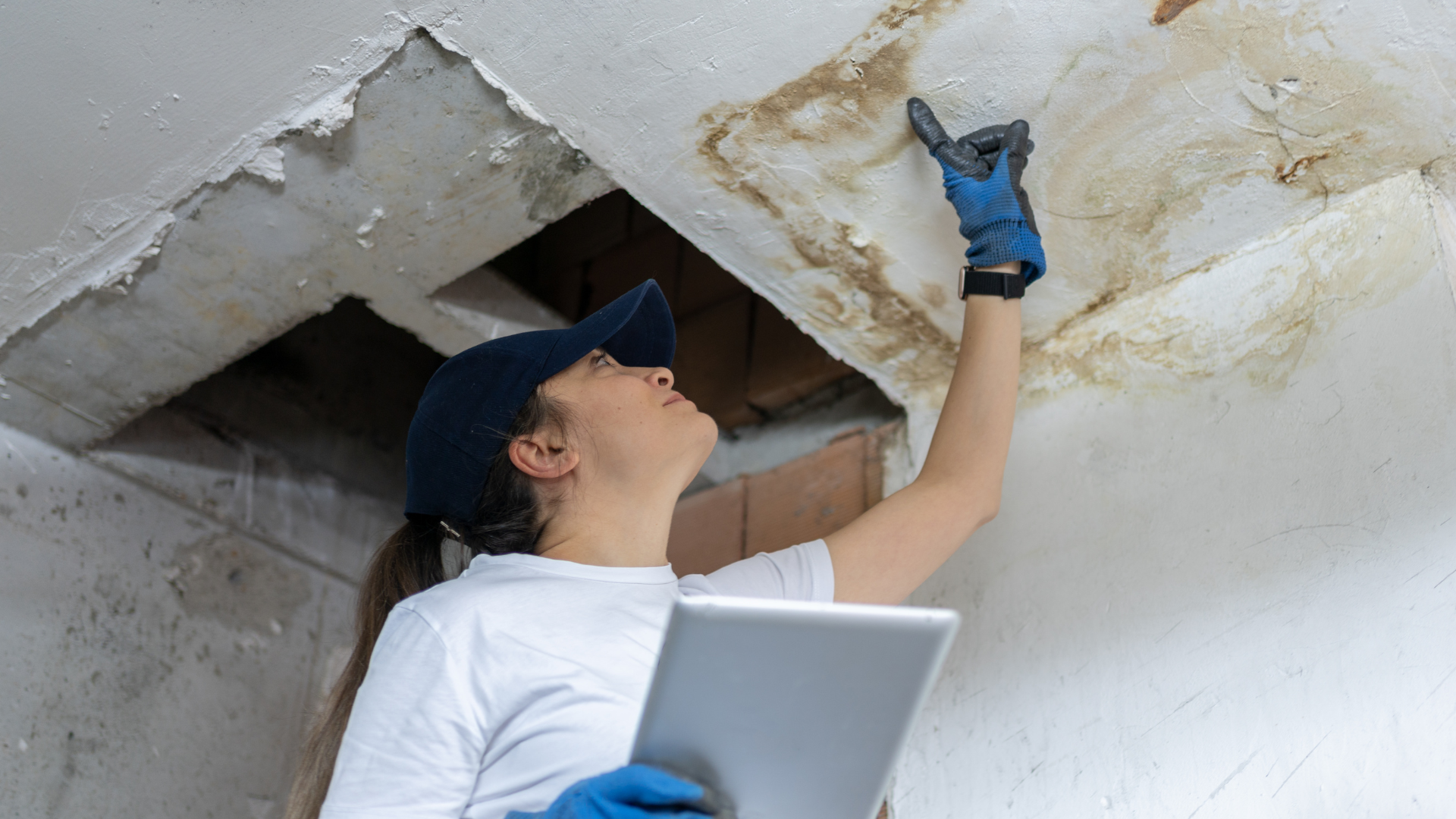
5. Moisture-Resistant Interior Paint
Water and humidity cause mold, peeling, and stains. In common area interiors, paints with mold and mildew resistance and a washable finish hold up better and can be cleaned instead of repainted. Neutral colors are easier to match during touch-ups. Any active leak should be found and repaired before painting, or the problem will return.
6. Keyless Entry for Common Doors
Lost keys and lock changes add up. Electronic access systems using fobs, cards, or codes allow the association to add or remove access without rekeying, and they can create a record of entries. They are commonly used for building entrances, pool gates, fitness rooms, and clubhouses.
Before a system is chosen, battery or power backup, software support, privacy of access records, and what happens during a power outage should be reviewed. Codes and fobs should be issued and deactivated through a clear written process.
Planning and Help With Renovations
Durable choices work best when they are part of a long-term plan:
- The reserve study should be used to time projects and set funding.
- Bids should be compared on the same scope and specifications.
- Warranties, product data, and permits should be kept in the official records.
- Owners should be informed before work begins.
More on funding these projects can be found in
the importance of reserves for your condo or HOA. Project coordination and bid collection are handled for the communities managed by Condominium Associates. To talk about an upcoming renovation,
contact us.