What an HOA Board Can Do With Stray Animals

Doug Jenkins • March 3, 2020

Share this article

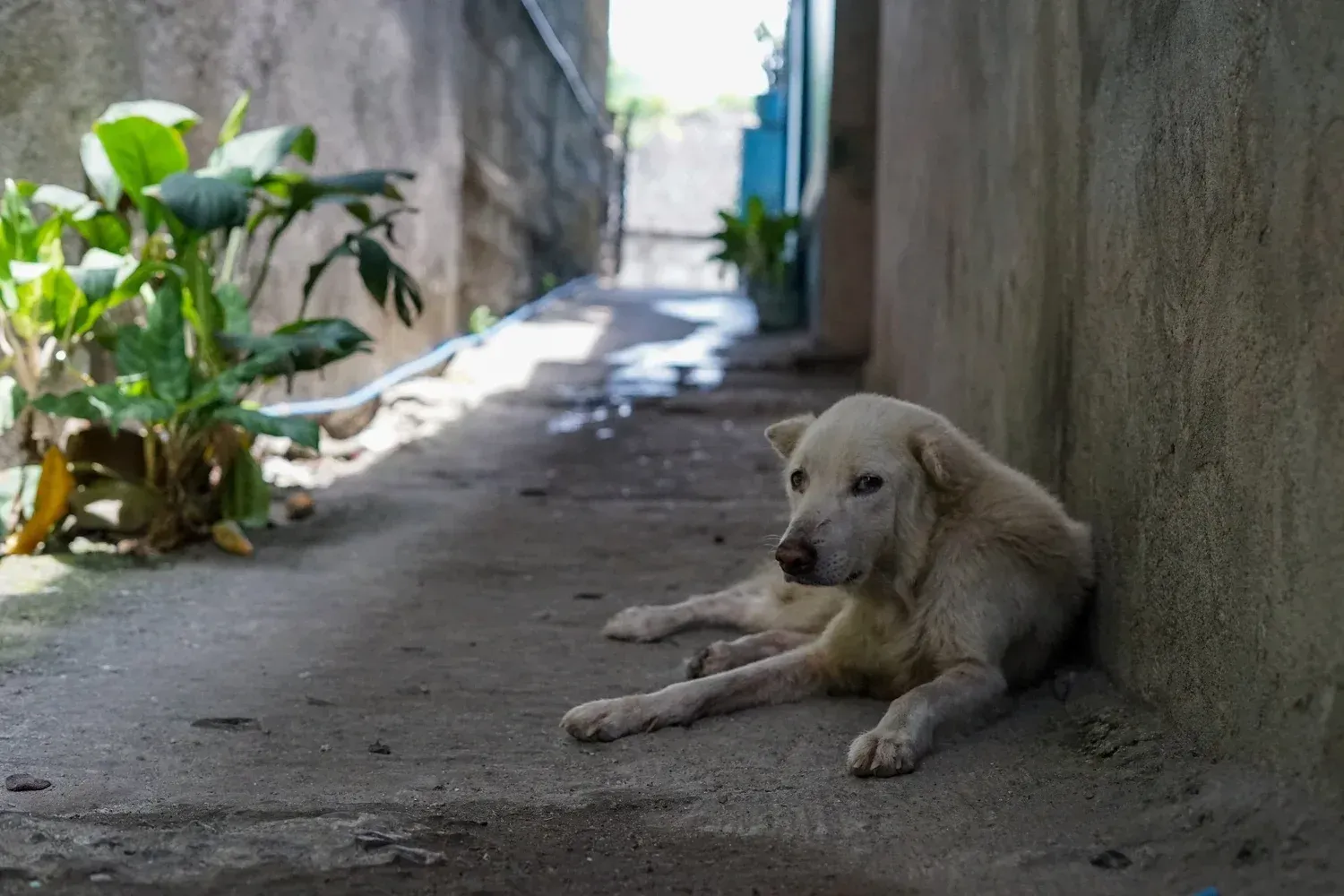
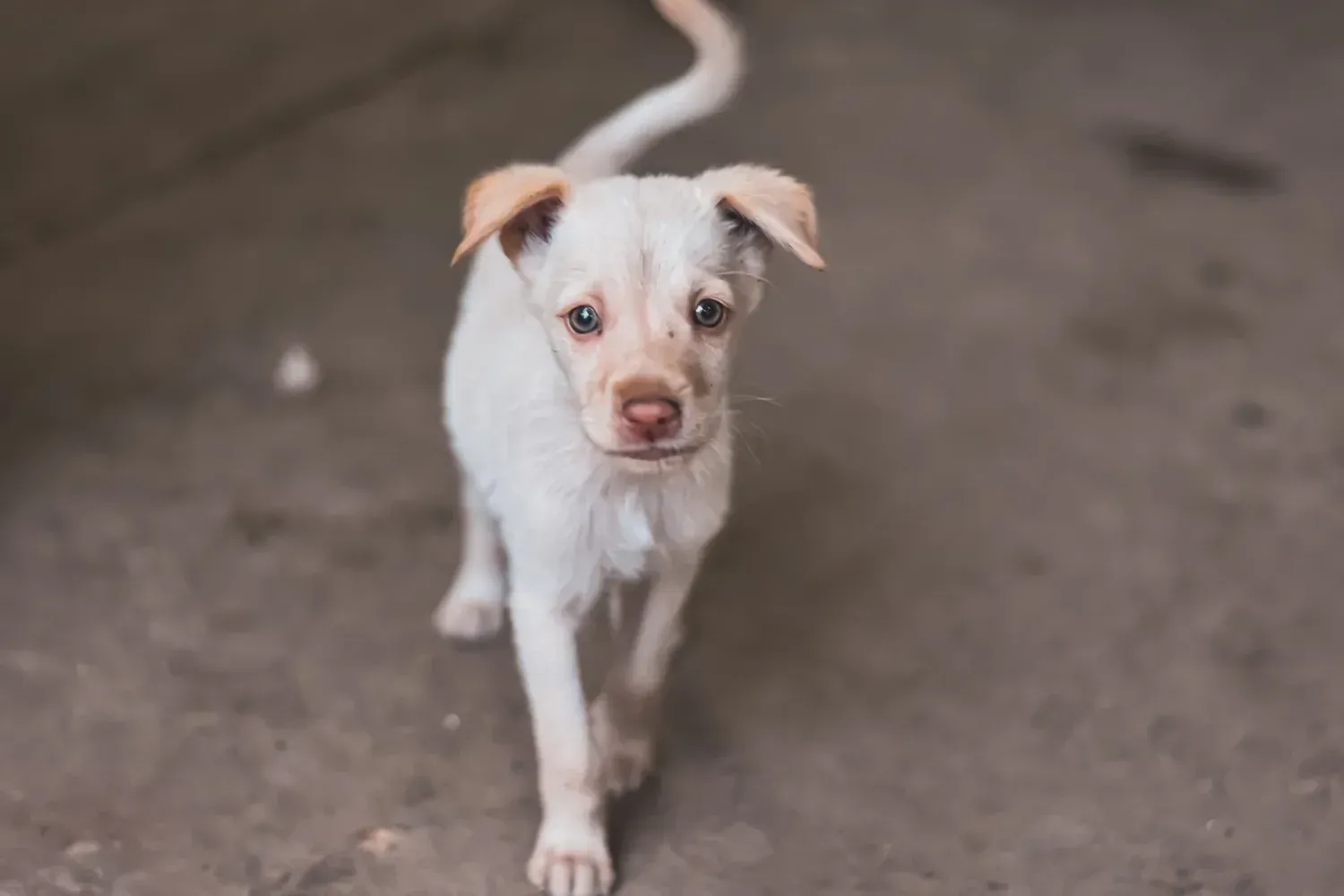
The problem of stray animals in HOA communities is a common one. But, there are some measures HOA boards can take to prevent strays from loitering and discourage residents from feeding them.


What Happens When Stray Animals are Allowed in HOA Communities


From the get-go, the board should make it clear that the association’s pet rules apply to homeowners’ pets and not to stray animals. Stray animals may not seem like an issue in a community, especially for one with a pet-friendly policy. But there is a massive difference between pets and strays. Pets are domesticated animals used to living indoors, whereas strays typically run wild.


Some may wonder why feeding stray animals in an HOA community is a big deal. They are just animals, and they need food like everyone else. While compassion may drive some residents to feed strays, this is ultimately a wrong decision as it can cause a domino effect in the community.


Feeding Leads to Loitering


Feeding stray animals in HOA communities can prompt them to stick around. Strays usually stay in places where there’s food. So, if residents start feeding them, they are more inclined to remain in the neighborhood. Feeding strays conditions them into thinking that they have a constant source of food in the area. As a result, they will loiter and become a nuisance to residents.


Unsanitary and Unhealthy


Stray animals are not trained like pets. Therefore, they are more likely to pee or defecate on private property. The association will also have a more challenging time with cleaning and maintenance, as these strays can also relieve themselves in common areas.


In addition to this, some strays carry diseases. These diseases can be passed on to other animals (pets) and even humans. No one knows where these stray animals have been, so no one says how clean and healthy they are.


Property Destruction


When residents feed stray animals, they tend to remain in the community, hoping to get food, which increases the chances of property destruction. They may do it to lash out or gain attention if they want more food. Other times, it’s just in their nature to do so. Stray animals can damage fences, outdoor furniture, and the HOA’s property. Gardens and landscaping are particularly vulnerable to damage from strays.


Invites Other Pests


Stray animals tend to rummage through bins in search of food scraps. When they do this, they leave behind a mess of trash, with the bin usually tipped over. The resulting litter can attract other pests into the community. These include stray cats and dogs, raccoons, rodents, and insects.


Safety Hazard


Apart from possibly carrying diseases, stray animals can physically attack and injure others. They may also hurt residents, including small children. Stray cats and dogs might get into fights with homeowners’ pets.


Lowered Appeal and Property Value


It may seem silly to think of stray animals hurting property values, but it does happen. Fewer people will find it attractive when a community is overrun with stray animals. Before long, the massive population of stray animals can drag down the community’s appeal and property values. In addition to the above consequences, lower property values certainly won’t make homeowners happy. And, to think, all this came about just because a few residents decided to feed the strays.
What Homeowners Associations Can Do


While it’s not entirely possible to control the behavior of stray animals, there are some things an HOA board can do to handle the situation. 


1 Establish a Complaint System


One of the first things an HOA board can do is establish a complaint system. Asking homeowners to report the stray animals they encounter will greatly help the association address the problem immediately and minimize strays in the community. When asking for complaints, make sure to get a detailed description of the stray animal, including where the homeowner spotted them.


2 Call Animal Control


Rarely is a homeowners association capable of dealing with stray animals hands-on. Most communities seek professional help, which is the best way to go if you have a problem with stray animals, especially if they are feral or dangerous. Your local government may have an animal control department that can wrangle the strays. If not, some private companies handle such problems for associations and individual homeowners.


3 Institute Repercussions to Discourage Feeding


Since feeding strays is a root cause, enacting a policy prohibiting this act may be worthwhile. Your HOA board may want to impose fines to enforce the policy and discourage feeders. However, it will depend on your governing documents. Of course, it is common for many councils to issue warnings first before slapping a homeowner with a fine. Encouraging owners to report a neighbor feeding stray animals is also a good idea.


Preventing Breeding in the Community


Stray animals in HOA communities present another problem — breeding. When a specific neighborhood accumulates many strays, they breed and produce more strays, exacerbating the problem and making it harder for an association to deal with. If you want to prevent this, your HOA board may want to encourage residents to participate in local TNR programs.


TNR stands for trap, neuter, and return. These programs offer primary medical care to stray cats, particularly to limit the local stray cat populace. The steps of such programs are pretty straightforward:


  • Trap – the cat is trapped humanely to proceed to the next step.


  • Neuter – also known as sterilization, male and female cats undergo a medical procedure that prevents them from breeding. The stray cats also receive primary veterinary care, such as vaccinations.


  • Return – the final step is to return the stray cat to where they were taken from.


While TNR programs don’t address the existing population of stray cats, they can significantly help reduce the number of stray cats in the future.


Taking Swift Action


The problem with stray animals in HOA communities may not seem too grave. However, as you can see, it can balloon into a much larger issue and cause other neighborhood problems. As such, HOA boards should take action, especially if the association is already experiencing a high volume of strays.


Handling community affairs can feel quite burdensome for a self-managed board. An HOA management company such as Condominium Associates can help with this. Contact us today!

Recent Posts

Three people in a meeting room discussing charts and documents around a table
By Doug Jenkins May 20, 2026
Learn how HOA and condo boards can manage strong personalities, reduce conflict, and stay aligned around their community’s mission and goals.
Lawyers reviewing documents at a desk with a gavel in the foreground
By Doug Jenkins April 2, 2026
While the 2026 session did not introduce major new requirements, this does not signal a reduced focus on community association governance.
Team meeting around a laptop at a wooden table in a bright office with papers and notes
By Doug Jenkins April 2, 2026
It is important to recognize a common human tendency that applies to all of us, including board members: we are not always fully aware of how our ...
Five coworkers gathered around a laptop in a bright office, collaborating and discussing work.
By Doug Jenkins April 1, 2026
Understanding the importance of great communication in association management. A working session between the board and management ...
People taking notes at a sunlit wooden conference table during a meeting
By Doug Jenkins March 20, 2026
Understand how Florida HOA boards should conduct meetings & delegate financial authority. Ensure transparency & compliance with state laws.
By Doug Jenkins March 6, 2026
Florida HOA and condo board meeting rules explained: transparency, quorum, executive sessions, member rights, financial delegation, and governance.
Aerial view of a suburban neighborhood with red-roofed houses, trees, and a roundabout intersection.
By Doug Jenkins February 10, 2026
Florida’s Marketable Record Title Act (MRTA), Chapter 712, Florida Statutes, extinguishes old covenants and restrictions after 30 years — unless these HOA ...
Small black, white, and brown puppy sitting on green grass wearing a blue harness
By Doug Jenkins February 4, 2026
For understanding HOA Pet Rules: Start by thoroughly reading your HOA’s governing documents. This will give you a clear picture of what is expected.
Sign reading “HB 657 HOA ‘Killer’ Bill” over a building facade
By Doug Jenkins January 23, 2026
Florida House Bill 657 (HB 657) proposes a path for termination or dissolution of HOAs — giving it the widely used nicknamed the HOA Killer Bill.
Hands typing on a white laptop in a bright room with a window.
By Doug Jenkins January 6, 2026
New Florida law requires condo associations (25+ units, down from 150+) to maintain official websites with online record access under FL Statute 718.111.