


Is Your HOA Turning 30? Everything You Need to Know About MRTA Timing, Risks, and the 720 Preservation Process

Doug Jenkins • February 10, 2026

Share this article

Aerial view of a suburban neighborhood with red-roofed houses, tree-lined streets, and a roundabout intersection

Florida’s Marketable Record Title Act (MRTA), Chapter 712, Florida Statutes, was designed to simplify land titles by extinguishing old covenants and restrictions after 30 years — unless they are properly preserved. For homeowners’ associations, this can create serious and often unexpected consequences. 

What does MRTA Stipulate?

MRTA automatically eliminates certain recorded covenants and restrictions after 30 years from the “root of title” (usually the date the original declaration was recorded). If an HOA’s governing documents are extinguished under MRTA, the association may lose its legal authority to: 

• Enforce architectural standards 

• Collect assessments 

• Enforce use restrictions (rentals, parking, pets, etc.) 

• Maintain common areas funded by mandatory dues 

In short, MRTA can strip an HOA of many of the powers that allow it to function as a community association.

How the 720 Preservation Process Works

The key issue is age. Many Florida HOAs were created in the 1970s, 80s, and 90s, meaning their original declarations are now at or beyond the 30-year MRTA threshold. If the association has not taken formal steps to preserve its governing documents, portions — or all — of its covenants may already be extinguished. 

Important: Amendments to the declaration do not automatically reset the MRTA clock. Consult the Association Attorney to verify legal applicability of any amendments. 

Florida Statute 720.3032 provides a streamlined way for HOAs to preserve their governing documents from MRTA extinguishment. The general preservation steps include: 

  1. Board Approval - The board of directors may approve the preservation of the declaration and other governing documents at a properly noticed board meeting (unless the governing documents require member approval). 
  2. Prepare a Notice of Preservation - The association prepares a formal document identifying the covenants and restrictions being preserved, referencing the original declaration recording information. 
  3. Record in the Public Records - The Notice of Preservation is recorded in the county’s official records before the MRTA deadline. 
  4. Post-Recording Member Notice - The association must provide notice to the membership (typically within 30 days after recording) that the preservation has occurred. 

Once properly recorded, this action resets the MRTA clock, preserving the HOA’s authority for another 30 years. Be sure to involve the Association’s attorney to ensure the steps are completed correctly. 

What Happens if You Missed the Deadline?

If MRTA preservation was not done in time, the association may need to go through a more complicated covenant revitalization process under FS 720.403–720.407, which requires member approval and state review. This process is longer, more expensive, and not guaranteed. 

Board Takeaway: MRTA compliance is not optional housekeeping — it is a governance survival issue.

Boards should confirm with association counsel and management that: 

✔ Their declaration has been preserved 

✔ The preservation was recorded correctly 

✔ The next preservation deadline is tracked 

A simple recording today can prevent major legal and financial problems tomorrow. 

Recent Posts

Lawyers reviewing documents at a desk with a gavel in the foreground
By Doug Jenkins April 2, 2026
While the 2026 session did not introduce major new requirements, this does not signal a reduced focus on community association governance. Instead, it reflects a pause following several years of significant legislative change, as many of those reforms—particularly in condominium safety, financial transparency, and gove

Team meeting around a laptop at a wooden table in a bright office with papers and notes
By Doug Jenkins April 2, 2026
It is important to recognize a common human tendency that applies to all of us, including board members: we are not always fully aware of how our actions are experienced by others. From the board’s perspective, decisions may feel thoughtful, reasonable, and well-intended.

Five coworkers gathered around a laptop in a bright office, collaborating and discussing work.
By Doug Jenkins April 1, 2026
Understanding the importance of great communication in association management. A working session between the board and management to define how communication will function is key. In that meeting, create a simple, repeatable plan that ensures communication is consistent, meaningful, and aligned with how the association

People taking notes at a sunlit wooden conference table during a meeting
By Doug Jenkins March 20, 2026
Understand how Florida HOA boards should conduct meetings & delegate financial authority. Ensure transparency & compliance with state laws.

Small black, white, and brown puppy sitting on green grass wearing a blue harness
By Doug Jenkins February 4, 2026
For understanding HOA Pet Rules: Start by thoroughly reading your HOA’s governing documents. This will give you a clear picture of what is expected.
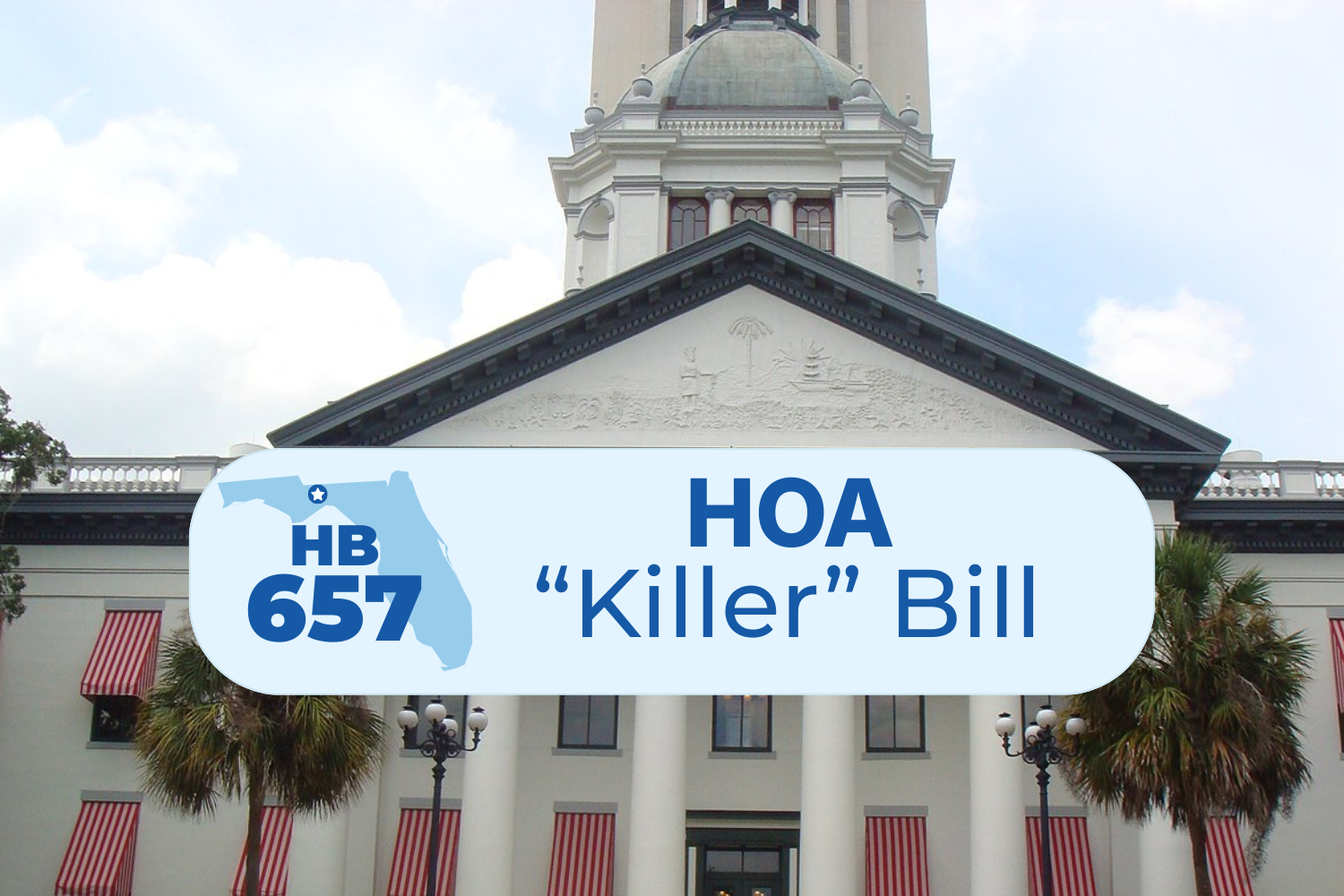
Sign reading “HB 657 HOA ‘Killer’ Bill” over a building facade
By Doug Jenkins January 23, 2026
Florida House Bill 657 (HB 657) proposes a path for termination or dissolution of HOAs — giving it the widely used nicknamed the HOA Killer Bill.

Hands typing on a white laptop in a bright room with a window.
By Doug Jenkins January 6, 2026
New Florida law requires condo associations (25+ units, down from 150+) to maintain official websites with online record access under FL Statute 718.111.

Aerial view of a coastal city with high-rise buildings, white sandy beach, and turquoise ocean under a clear blue sky
By Doug Jenkins December 18, 2025
New laws focused on safety, financial preparedness, and transparency are being rolled out, and they’re a direct response to lessons learned in recent years.

Brown spider with long legs on a white background
By Doug Jenkins July 30, 2025
Here’s the good news: fall pest control doesn’t have to be expensive or time-consuming. Small steps now can prevent larger (and more expensive) problems down the road. We always recommend a layered approach.
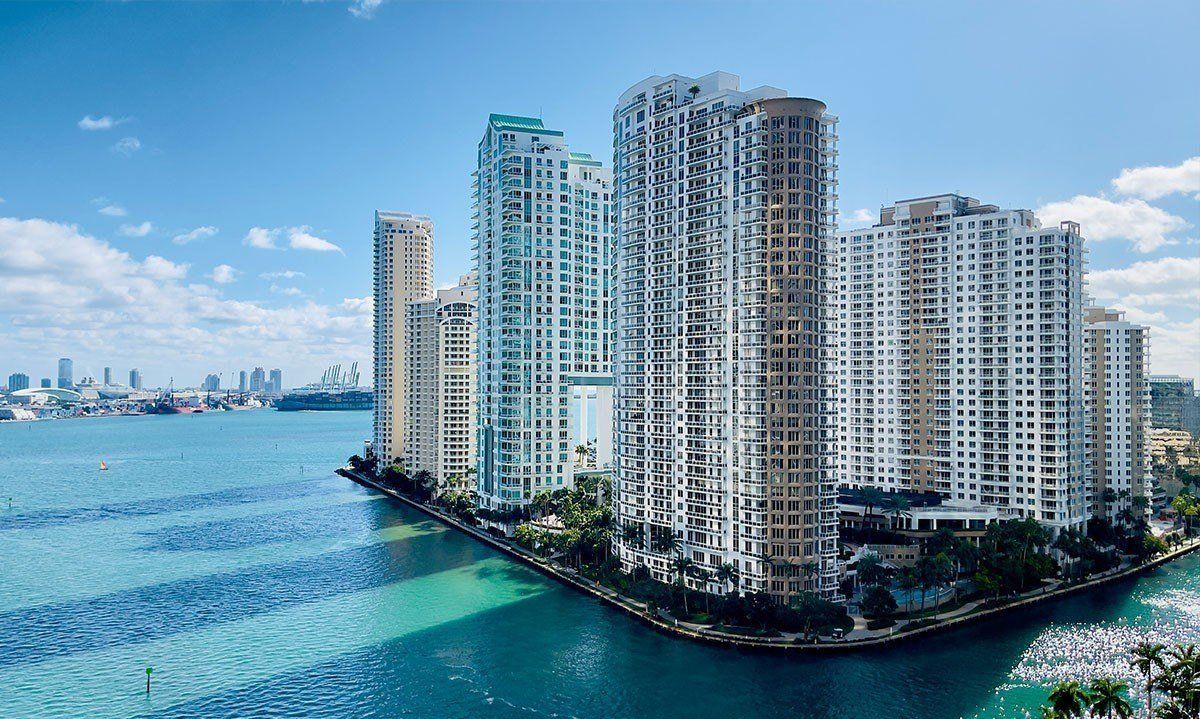
High-rise waterfront condos on a small peninsula, overlooking turquoise water and a distant city skyline
By Doug Jenkins July 16, 2025
If you’ve been on a condominium board in Florida over the last few years, you know how intense compliance has been since the Surfside collapse in 2021. Laws rolled out quickly, reserve requirements became strict, and deadlines left boards scrambling to find money for safety mandates. Many owners were blindsided by huge assessments, and some communities even faced foreclosure threats. That’s where Florida’s new House Bill 913 comes in—it’s a reset button designed to keep buildings safe while giving boards and owners much-needed breathing room.