


Building an Effective Board Communication Plan

Doug Jenkins • April 1, 2026

Share this article

Five coworkers gather around a laptop in a bright office, discussing and reviewing something on screen.

Understanding the importance of great communication in association management. By creating a simple, repeatable plan that ensures communication is consistent, meaningful, and aligned with how the association operates.


Start With Alignment Between the Board and Management


The first step is a working session between the board and management to define how communication will function. This alignment prevents fragmented or inconsistent messaging.


This discussion should include:


  • Who is responsible for drafting and sending communication (typically management)
  • What types of communication require board review or approval
  • Which communication channels will be used (email, portal, website, etc.)
  • When communication should come from the board versus management


Define What Should Be Communicated


Boards should identify the core categories of communication that will be consistently addressed ensuring communication remains focused on what is relevant and meaningful to owners.


These typically include:


  • Board Decisions: Key outcomes from meetings and actions taken
  • Community Updates: Status of projects, maintenance, and initiatives
  • Expectations: Rules, policies, and reminders to reinforce compliance
  • Financial Awareness (high-level): Budget updates or major financial considerations
  • Upcoming Activity: Meetings, projects, or community impacts


Establish a Predictable Rhythm


Consistency is strengthened when communication follows a predictable pattern. The goal is not frequency for its own sake, but reliability.


Examples may include:


  • A brief post-meeting summary following each board meeting
  • Periodic community updates (as needed, not forced)
  • Targeted communication when decisions impact owners


Use the Right Channels—Consistently


Communication should be delivered through established, centralized channels avoiding informal conversations, text messages, or individual board member response.


This may include:


  • Management emails
  • Community portals or websites
  • Official board notices


Focus on Clarity and Purpose


Every communication should answer three basic questions for the reader:


  • What is happening?
  • Why does it matter?
  • What, if anything, do I need to do?


Document and Reinforce


Communication should not be one-time. Important messages should be:


  • Reinforced over time when appropriate
  • Aligned with enforcement or implementation
  • Supported by consistent documentation


Keep It Practical


A communication plan should support the board—not burden it. It should be:


  • Simple enough to follow consistently
  • Flexible enough to adapt to changing needs
  • Focused on meaningful communication, not volume


Boards do not need more communication. They need communication that is clear, consistent, and valuable.

Recent Posts

Lawyers reviewing documents at a desk with a gavel in the foreground
By Doug Jenkins April 2, 2026
While the 2026 session did not introduce major new requirements, this does not signal a reduced focus on community association governance. Instead, it reflects a pause following several years of significant legislative change, as many of those reforms—particularly in condominium safety, financial transparency, and gove

Team meeting around a laptop at a wooden table in a bright office with papers and notes
By Doug Jenkins April 2, 2026
It is important to recognize a common human tendency that applies to all of us, including board members: we are not always fully aware of how our actions are experienced by others. From the board’s perspective, decisions may feel thoughtful, reasonable, and well-intended.

People taking notes at a sunlit wooden conference table during a meeting
By Doug Jenkins March 20, 2026
Understand how Florida HOA boards should conduct meetings & delegate financial authority. Ensure transparency & compliance with state laws.

Aerial view of a suburban neighborhood with red-roofed houses, trees, and a roundabout intersection.
By Doug Jenkins February 10, 2026
Florida’s Marketable Record Title Act (MRTA), Chapter 712, Florida Statutes, extinguishes old covenants and restrictions after 30 years — unless these HOA governing docs are properly preserved. 

Small black, white, and brown puppy sitting on green grass wearing a blue harness
By Doug Jenkins February 4, 2026
For understanding HOA Pet Rules: Start by thoroughly reading your HOA’s governing documents. This will give you a clear picture of what is expected.
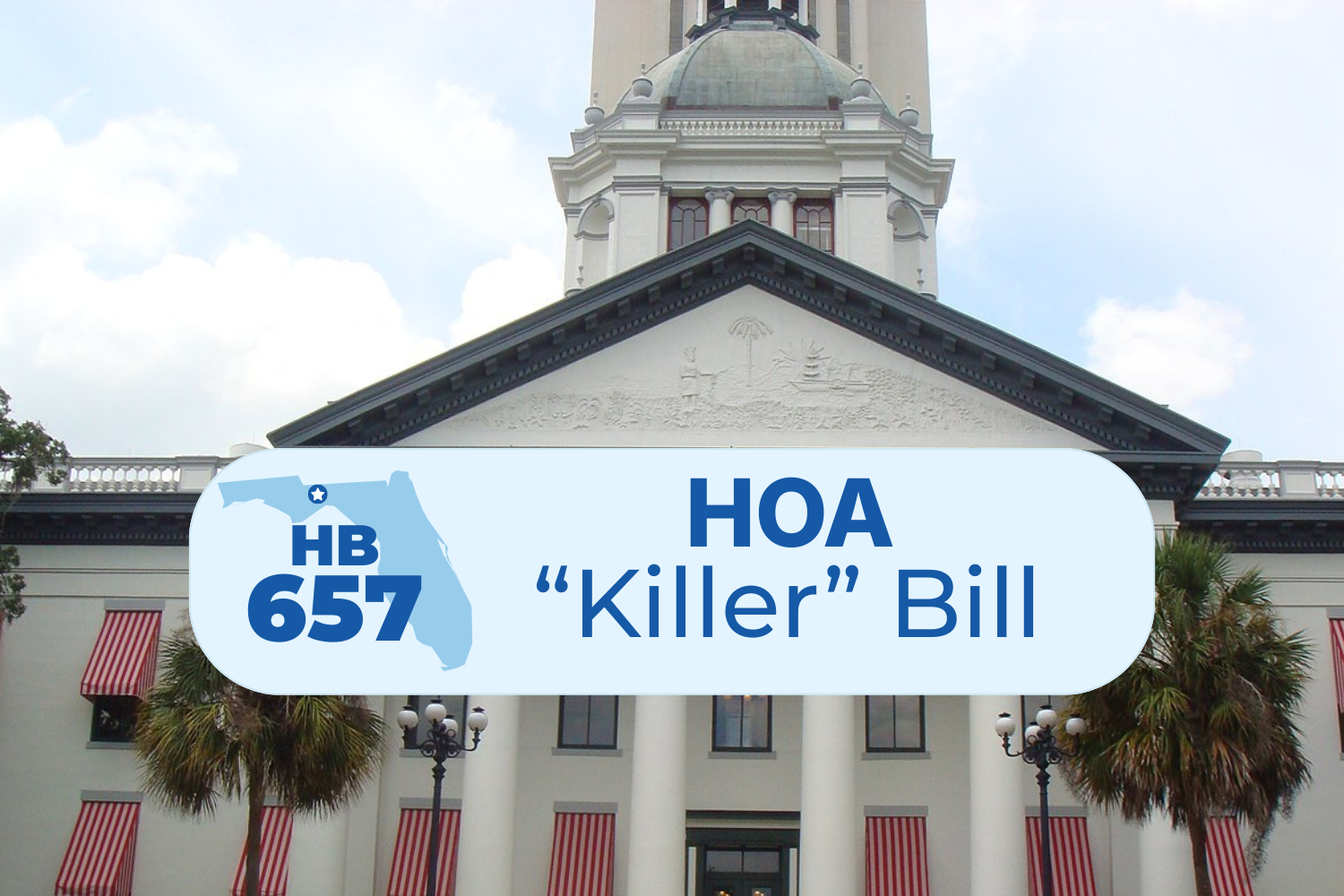
Sign reading “HB 657 HOA ‘Killer’ Bill” over a building facade
By Doug Jenkins January 23, 2026
Florida House Bill 657 (HB 657) proposes a path for termination or dissolution of HOAs — giving it the widely used nicknamed the HOA Killer Bill.

Hands typing on a white laptop in a bright room with a window.
By Doug Jenkins January 6, 2026
New Florida law requires condo associations (25+ units, down from 150+) to maintain official websites with online record access under FL Statute 718.111.

Aerial view of a coastal city with high-rise buildings, white sandy beach, and turquoise ocean under a clear blue sky
By Doug Jenkins December 18, 2025
New laws focused on safety, financial preparedness, and transparency are being rolled out, and they’re a direct response to lessons learned in recent years.

Brown spider with long legs on a white background
By Doug Jenkins July 30, 2025
Here’s the good news: fall pest control doesn’t have to be expensive or time-consuming. Small steps now can prevent larger (and more expensive) problems down the road. We always recommend a layered approach.
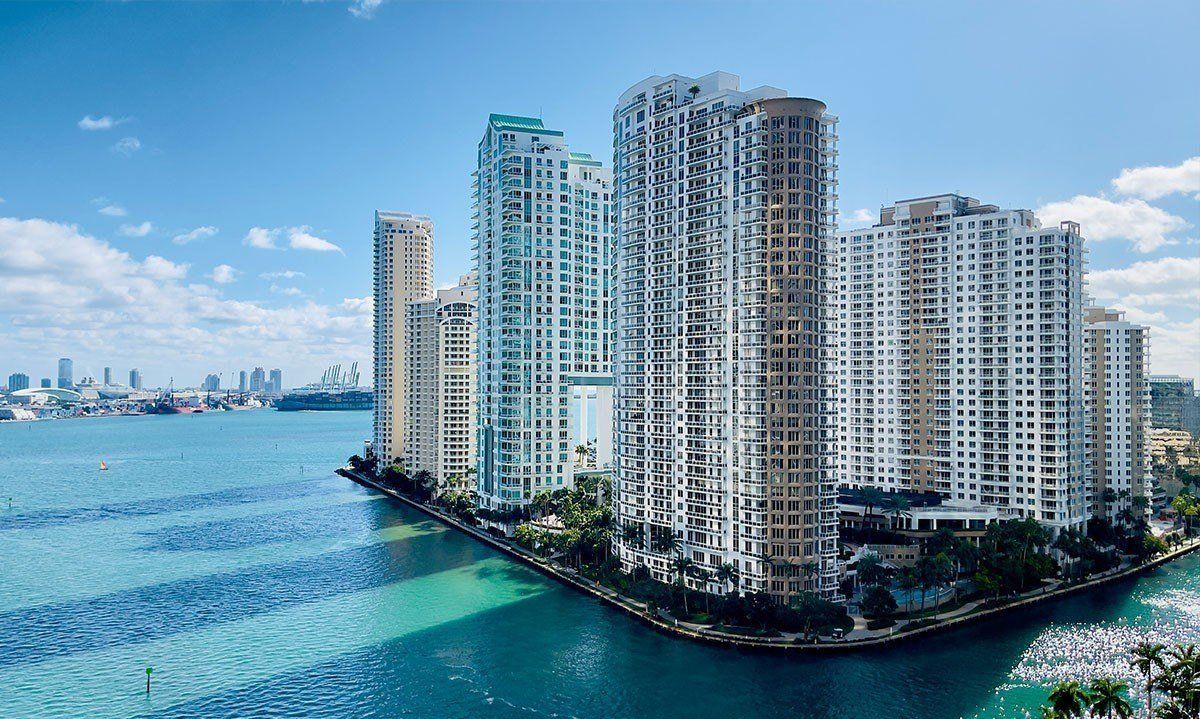
High-rise waterfront condos on a small peninsula, overlooking turquoise water and a distant city skyline
By Doug Jenkins July 16, 2025
If you’ve been on a condominium board in Florida over the last few years, you know how intense compliance has been since the Surfside collapse in 2021. Laws rolled out quickly, reserve requirements became strict, and deadlines left boards scrambling to find money for safety mandates. Many owners were blindsided by huge assessments, and some communities even faced foreclosure threats. That’s where Florida’s new House Bill 913 comes in—it’s a reset button designed to keep buildings safe while giving boards and owners much-needed breathing room.