


How HOA & Condo Boards Can Safely Permit Fire Pits

Doug Jenkins • March 6, 2021

Share this article

It's without a doubt that COVID-19 continues to present challenges in homeowners' associations. There must be a delicate balance between cultivating community and making safety a priority when neighbors have guests over for dinner and want to use the clubhouse. 


Firepits as an Alternative Source


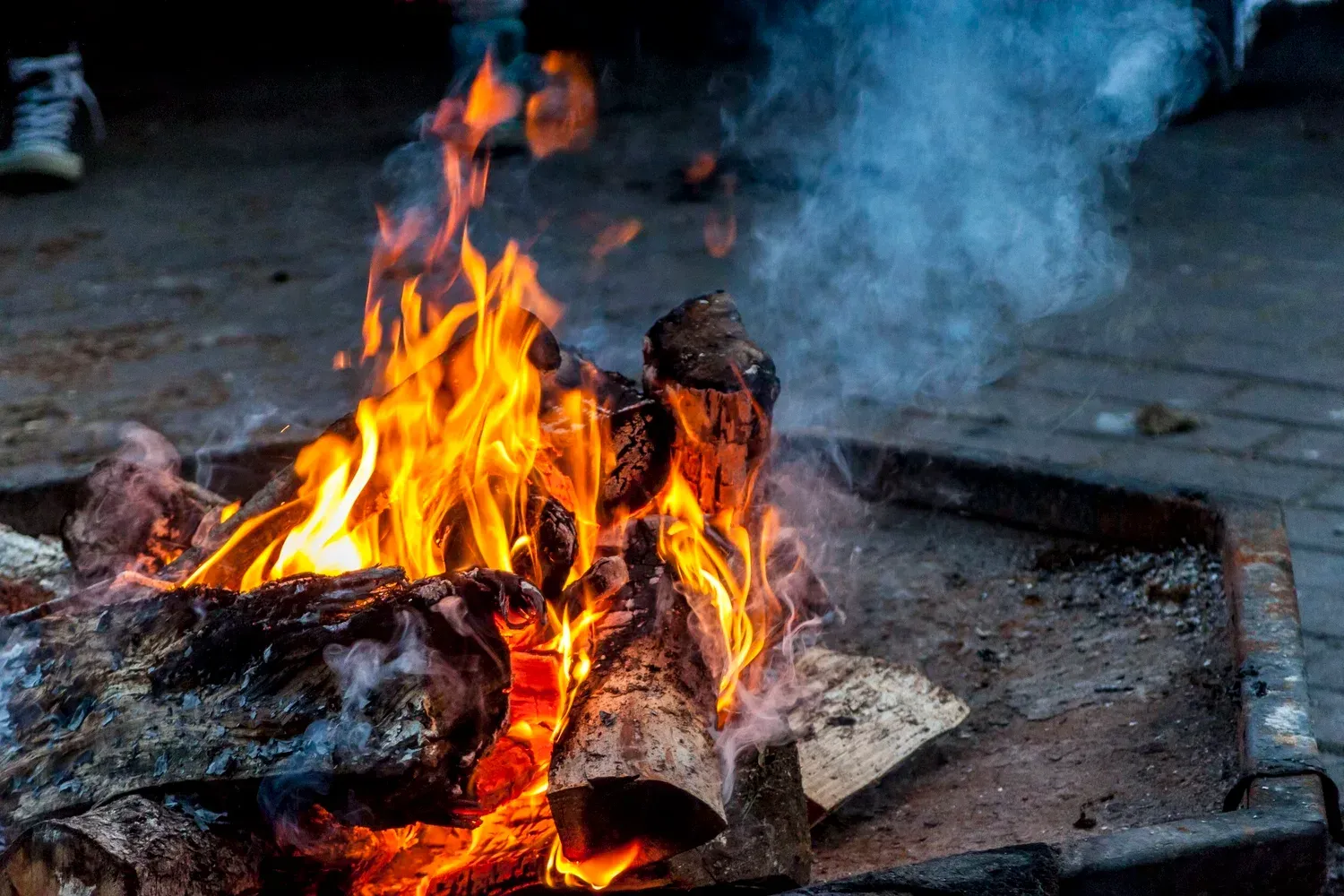
As residents look for safe ways to socialize and social distance, some residents ask board members to allow propane-operated fire pits for outdoor enjoyment during the year. Firepits are a popular alternative to grills. Every big box store is advertising them. Overall, having a fire table provides owners an opportunity to use their patios as safer ways to entertain their guests. 


Safety Concerns


Safety concerns such as the height of the flame, size of the table, location on the patio, and proximity to the next home or nearby shrubs and trees have kept many associations from permitting fire pits. However, association boards are concerned about damage or injury to persons or property. Condominium Associates does not condone buildings catching on fire or for people to be injured. These events could be catastrophic for an association and its residents. So, to avoid a problem, establish safety precautions to keep everyone in the community safe.

How do boards safely allow residents to use fire pits, especially if the HOA currently prohibits small patios and homes from being close together? We recommend that HOAs regulate fire pits in the same manner as other open-flame devices or address them specifically in the rules and regulations. Be mindful of the requirements on location and storage/coverage similar to those for gas grills.


It is also wise to regulate fire pits and other open-flame devices such as charcoal burners and gas grills. Consider permitting prior written permission from the board so long as they follow all county and local fire codes.


Other Recommendations for Fire Pit Safety


The following are other recommendations to add to a policy that details that fire pits must adhere to the following:


  • Must be propane, natural gas, and gel only.
  • Must have a tempered wind guard of at least 6 inches in height.
  • Wood-burning fire pits are not permitted.
  • A unit owner must monitor the area when an open-flame device is in use and is responsible for any damage to the structures, patio fences, and landscaping.
  • Bill damage caused by an open-flame device that requires repair or replacement to the unit owner.


Contact Us


Boards contemplating a similar policy should have little difficulty implementing it in their association. Most communities have no problem with the enforcement of these new policies. If you witness a clear violation and inform the owner right away to get the situation resolved as a board member. Do you still have questions? Do not hesitate to reach out to us; we are here to serve our communities!

Recent Posts

By Association Management Team August 17, 2026
D&O insurance protects volunteer board members from personal liability — but many Florida associations are underinsured or don't fully understand what their policy covers.
By Association Management Team August 13, 2026
As of January 1, 2026, Florida condo associations with 25 or more units must post official records online. Here's exactly what belongs on your website and when.

By Association Management Team August 13, 2026
A plain-English breakdown of Florida's HB 913 and what condo association boards must do to stay compliant in 2025 and beyond.

By Association Management Team August 13, 2026
Florida condo owners and boards are routinely confused about where association insurance ends and individual owner coverage begins — here's how to tell the difference.

By Association Management Team August 10, 2026
Delivering a special assessment is one of the hardest conversations a board has — here's how to communicate it clearly, fairly, and legally.

By Association Management Team August 3, 2026
Florida now mandates reserve studies for condo associations — here's what they are, what they cost, and what happens if you skip one.

By Association Management Team July 27, 2026
Skipping routine maintenance to save money is one of the most expensive decisions a Florida HOA or condo board can make — here's the real cost.

By Association Management Team July 20, 2026
Conflict at Florida HOA and condo board meetings is common — but boards that handle it with a clear, consistent approach protect both the community and themselves legally.
By Association Management Team July 15, 2026
Florida mandates certification and continuing education for condo and HOA board members — what's required, by when, and what happens if you don't comply.
By Doug Jenkins July 9, 2026
Florida board members carry real legal obligations to their owners — most volunteers don't fully understand what fiduciary duty means until something goes wrong.