HOA Common Practices for Common Areas

Doug Jenkins • August 22, 2022

Share this article

What are HOA Common Areas?


Generally speaking, common areas are amenities or spaces in an HOA neighborhood that are open for the use of all the association's members.


When you buy a home in an HOA, you automatically become a member of that HOA. That comes with certain obligations, such as paying regular dues and routine property maintenance. But, it also comes with the benefit of using common amenities and spaces. And those dues you pay maintain the association's common areas.


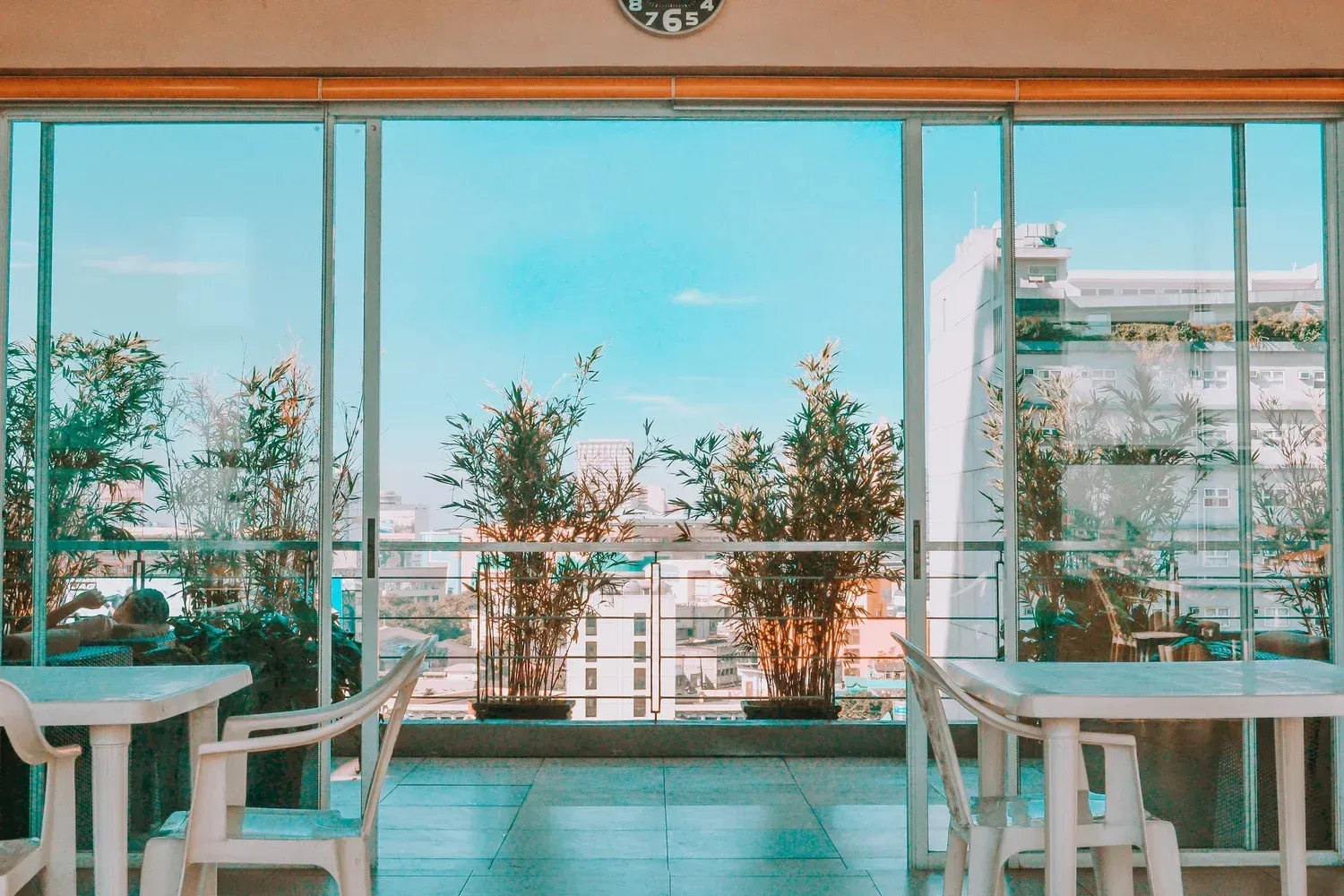
While communities can have different types, homeowners association common areas typically include pools, clubhouses, fitness centers, hallways, stairways, elevators, sidewalks, and streets. Even HOA communities have tennis courts, golf courses, lakes, and equestrian facilities. Of course, the more comprehensive the HOA common areas, the higher the regular dues tend to be.


Common areas, also known as common elements, can be further broken down into three categories: general common elements, limited common elements, and exclusive use common elements.


General Common Elements


General common elements usually refer to the features that all homeowners in the community can use. Some examples include pools, gyms, clubhouses, entrance/exit gates, etc. You will find the exact location of these elements in the community plat.


Limited Common Elements


Similar to general common elements, you will find the location of limited standard features in the community plat. Limited common elements usually refer to elements that are not open to all homeowners, but more than one homeowner may use them, which is more common in condominiums and townhomes.


Exclusive Common Elements


Finally, only common elements refer to elements that only one homeowner uses, which is also more common in condominiums and townhomes. For example, a homeowner living in unit A is the only person with access to their unit's balcony. As with the first two types, you can determine the exact location of exclusive common elements by checking the community plat.

Who is Responsible for HOA Common Area Maintenance?


As with all things, common areas or elements also require regular maintenance to keep them in good shape. But, who exactly is responsible for maintaining the common areas? The answer is: it depends.


Some states have HOA common area laws defining the responsibility burden for common areas. For instance, in California, Civil Code Section 4775 places blame on the HOA unless otherwise provided in the governing documents.


More often than not, though, you will find maintenance responsibilities outlined within the CC&Rs or bylaws. Typically, the HOA is responsible for maintaining, repairing, and replacing all general common elements. Of course, the money used to pay for maintenance still comes from the homeowners. Because all homeowners have access to standard features, they all share the cost of maintaining them.


As for limited and exclusive common elements, it depends on what the governing documents say. Some HOAs shoulder the maintenance responsibility, while others delegate the responsibility to those with the right to use the elements. There are also cases wherein some owners have to maintain limited or exclusive common features, but the association is responsible for replacing or repairing them.


HOA Common Area Rules


It is common for associations to impose specific rules and restrictions regarding the use of common community areas. After all, without these rules, the HOA common areas can quickly fall into disrepair.


Common rules for such areas include:


  • Operating hours of common amenities such as pools and fitness centers
  • No running
  • Designated walkways in parks
  • No littering
  • The type of clothes or shoes worn in the area
  • No pets
  • Adults must always supervise children
  • No shouting


Because these rules can vary greatly, it is best to check your association's governing documents to know the exact regulations. This way, homeowners can avoid violating the rules and save themselves a possible monetary fine.


HOA Failure to Maintain Common Areas


It is generally the responsibility of the HOA to maintain the common areas open to all homeowners. That means hiring vendors to clean, perform preventive maintenance, and repair these spaces. As previously explained, the money used to pay for such services comes from the operating budget, which comes from homeowner dues.


Sometimes, an HOA won't maintain the common areas up to the standard required or will stop maintenance altogether. When this happens, the spaces can deteriorate, impacting property values and homeowners alike. If an HOA is not maintaining common areas, what can homeowners do?


If you know the HOA is responsible for maintenance, the first step you can take is to complain to the HOA board. Let the board know that the HOA has to maintain these areas as stipulated in the governing documents. If the board refuses to comply, homeowners can look into the procedure for removing one or more board members. You will typically find this information within the bylaws of your HOA.


If that still doesn't work, the final option is to take legal action. The lawsuit on claims of a breach of fiduciary duty, negligence, or a covenant violation should be a last resort, as it can be time-consuming and costly.


Homeowners should also fulfill their financial obligation to the HOA to ensure that common areas remain in good condition. There are cases, though, wherein a failure to maintain HOA common areas stems from a lack of funding. The HOA board must plan the budget and account for all maintenance expenses before collecting dues to remedy this.


Prioritizing Common Areas


Convenient and well-maintained common areas help sell the community to buyers and keep existing homeowners happy. The HOA common areas add value and appeal to the community. Associations should always consider the maintenance of common areas as a top priority.


Monitoring common areas and ensuring they're maintained is often taxing for board members, which is where an HOA management company can step in—that's us, Condominium Associates!
Recent Posts

Three people in a meeting room discussing charts and documents around a table
By Doug Jenkins May 20, 2026
Learn how HOA and condo boards can manage strong personalities, reduce conflict, and stay aligned around their community’s mission and goals.
Lawyers reviewing documents at a desk with a gavel in the foreground
By Doug Jenkins April 2, 2026
While the 2026 session did not introduce major new requirements, this does not signal a reduced focus on community association governance.
Team meeting around a laptop at a wooden table in a bright office with papers and notes
By Doug Jenkins April 2, 2026
It is important to recognize a common human tendency that applies to all of us, including board members: we are not always fully aware of how our ...
Five coworkers gathered around a laptop in a bright office, collaborating and discussing work.
By Doug Jenkins April 1, 2026
Understanding the importance of great communication in association management. A working session between the board and management ...
People taking notes at a sunlit wooden conference table during a meeting
By Doug Jenkins March 20, 2026
Understand how Florida HOA boards should conduct meetings & delegate financial authority. Ensure transparency & compliance with state laws.
By Doug Jenkins March 6, 2026
Florida HOA and condo board meeting rules explained: transparency, quorum, executive sessions, member rights, financial delegation, and governance.
Aerial view of a suburban neighborhood with red-roofed houses, trees, and a roundabout intersection.
By Doug Jenkins February 10, 2026
Florida’s Marketable Record Title Act (MRTA), Chapter 712, Florida Statutes, extinguishes old covenants and restrictions after 30 years — unless these HOA ...
Small black, white, and brown puppy sitting on green grass wearing a blue harness
By Doug Jenkins February 4, 2026
For understanding HOA Pet Rules: Start by thoroughly reading your HOA’s governing documents. This will give you a clear picture of what is expected.
Sign reading “HB 657 HOA ‘Killer’ Bill” over a building facade
By Doug Jenkins January 23, 2026
Florida House Bill 657 (HB 657) proposes a path for termination or dissolution of HOAs — giving it the widely used nicknamed the HOA Killer Bill.
Hands typing on a white laptop in a bright room with a window.
By Doug Jenkins January 6, 2026
New Florida law requires condo associations (25+ units, down from 150+) to maintain official websites with online record access under FL Statute 718.111.