A community association is only as strong as its members. Assessments pay for maintenance, insurance, and services, and volunteers fill the board and committees. A community that attracts good buyers and keeps owners engaged tends to be better maintained, better governed, and more pleasant to live in.
The work happens in two stages. First, the community has to make a good impression on people who are deciding where to buy. Then new owners have to be welcomed and given reasons to stay involved.
Making a Good First Impression
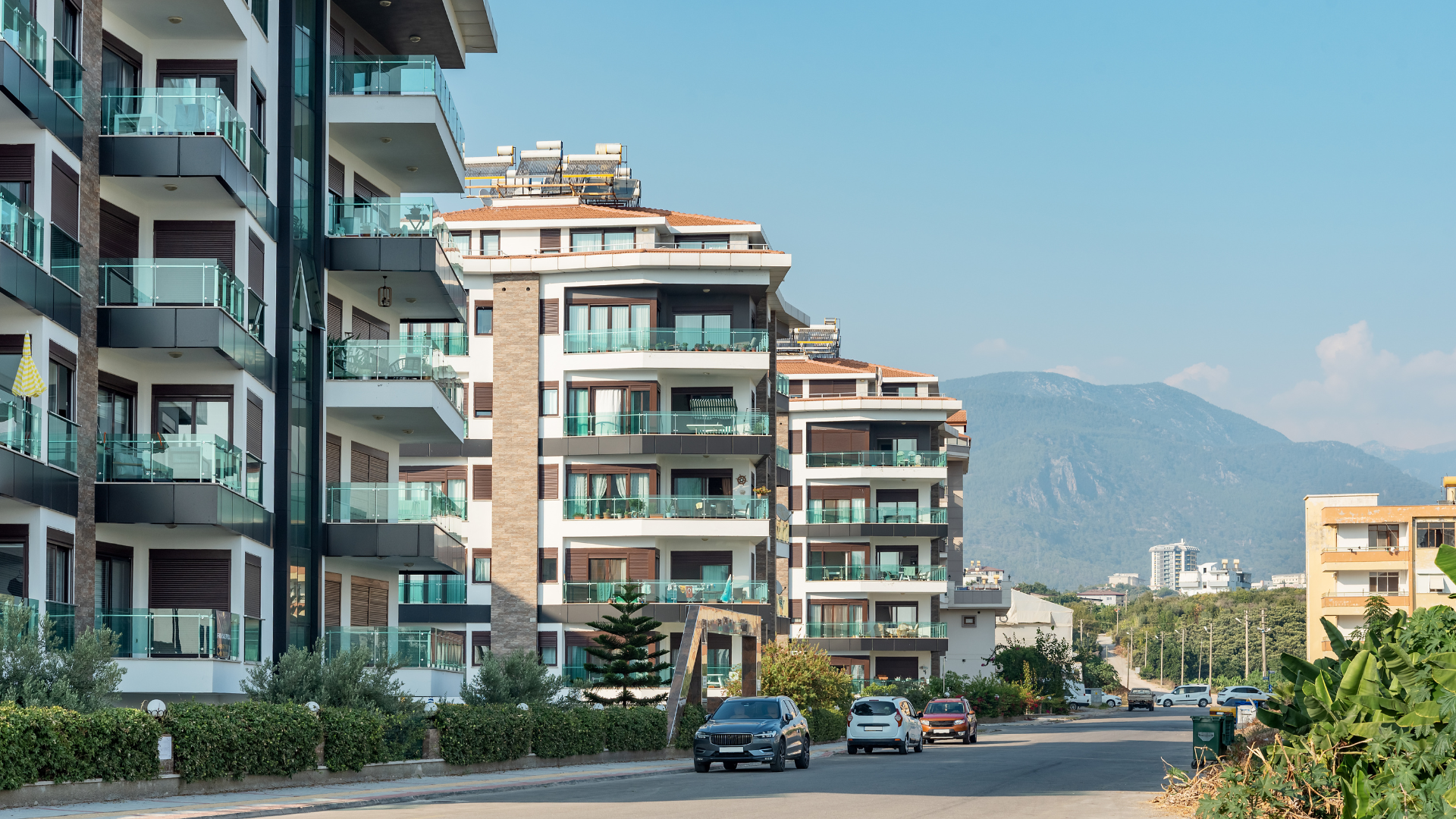
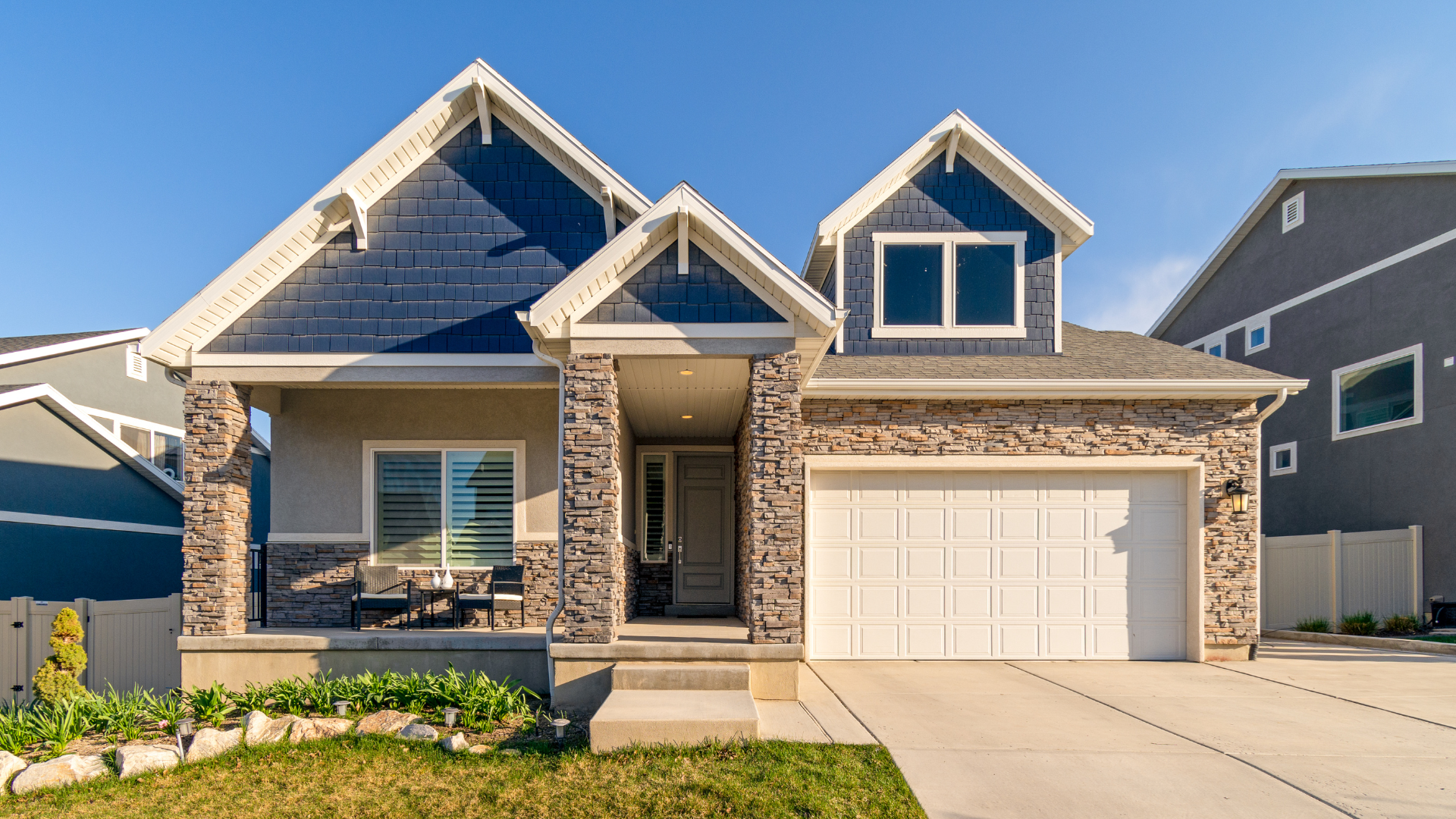
Curb appeal. Buyers judge a neighborhood with their eyes first. Well-kept entrances, healthy landscaping, clean common areas, and good lighting signal that the community is cared for. A reliable grounds contractor and regular inspections of common areas make a visible difference. Florida-friendly plantings can look good while using less water.
Convenient technology. Online payments, an owner portal with documents and forms, and electronic notices are now expected by many buyers. An association website also gives prospective buyers a place to learn about the community.
Reasonable pet policies. Many households include pets, and a community with clear, fair pet rules is attractive to them. Rules should cover leashing, waste pickup, and the areas where pets are allowed, and waste stations should be maintained.
Controlled operating costs. Efficient irrigation on timers, LED common area lighting, and drought-tolerant plants help keep assessments stable. Stable, well-explained assessments are reassuring to buyers who are comparing communities.
Community events. Events that are open to the public, such as a holiday gathering or a community yard sale, let prospective buyers see the neighborhood at its best. Any event open to nonresidents should be reviewed for insurance and security needs.
Welcoming New Owners
A new owner's first few weeks set the tone. A welcome packet is a simple way to start well. It should include:
- A welcome letter from the board
- The governing documents and current rules
- Assessment amounts, due dates, and payment options
- Common forms, such as architectural review and gate access forms
- Contact information for the manager, the board, and emergency services
- Information about amenities and how to access them
- A calendar of upcoming meetings and events
A short welcome visit or call from a board member or volunteer adds a personal touch.
Keeping Owners Informed
Owners should hear about meetings, assessment changes, projects, and new policies early and clearly. Meeting notices should be posted on time, and newsletters, email, and the owner portal should be used to share updates. When owners understand what is happening and why, they are less likely to feel left out.
Being Responsive
Owners should be able to reach the association easily and should receive a prompt reply. Not every problem can be fixed immediately, but every message should be acknowledged and followed up. A board or management team that goes silent creates frustration quickly.
Building Connection
Host social events. Gatherings give neighbors a chance to meet and build real relationships. Events should be planned around the community's interests, and residents can be polled for ideas. Details such as time, location, food, and activities should be settled early, and events should be announced well in advance. Ideas can be found in
social committee ideas for HOA communities.
Ask for feedback. Short surveys and open forum time at meetings show owners that their opinions matter, and they help the board spot problems early.
Encourage volunteers. New owners should be invited to join committees, attend board meetings, and consider running for the board. Owners who participate feel more invested in the community.
Putting the Community First
Board members owe a fiduciary duty to the association and must make decisions in the best interest of the community as a whole. Boards that lead this way, with fairness and openness, build the kind of reputation that keeps owners content and draws new buyers.
Help Strengthening Your Community
Owner communication, welcome materials, and event support are handled for the communities managed by Condominium Associates. To talk about how professional management can help your board,
contact us or
request a proposal.