Unexpected expenses come with owning property, and a community association is no exception. A water main breaks, a storm damages a roof, or a retaining wall begins to fail. The repair cannot be put off simply because it was not in the budget, and the cost is shared by the owners one way or another.
This article is general information and is not legal advice. The association's attorney should be consulted.
Maintenance Is Not Optional
An association's duty to maintain the property it is responsible for does not disappear when money is tight. In a condominium, section 718.113 of the Florida Statutes places maintenance of the common elements on the association, except for any limited common element maintenance assigned to owners by the declaration. The association must provide for the maintenance, repair, and replacement of the property it is responsible for under the declaration.
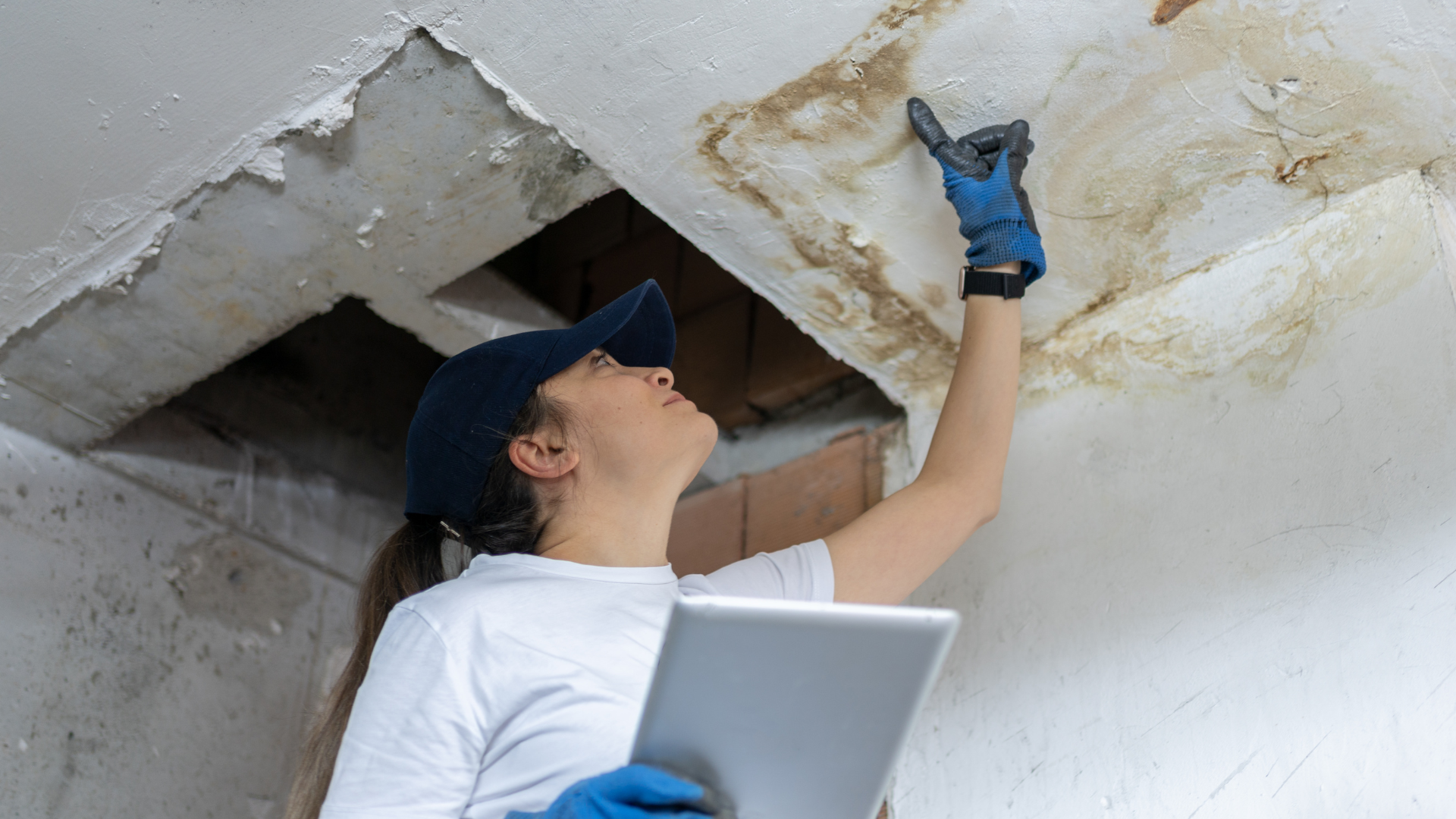
In a homeowners association, maintenance duties are set mainly by the declaration and other governing documents. Private roads, gates, walls, drainage systems, and amenities are commonly included. When a leaking roof, a broken pipe, or an unsafe walkway is left alone, the damage nearly always grows, and so does the bill. Liability can also be created if someone is hurt.
Planning Ahead Through the Budget
The best protection against surprises is a realistic budget. A budget should be built from expected costs, not from a target assessment that the board hopes to keep. When the numbers are worked backward from a desired dues amount, maintenance and reserves are usually what get cut.
A reserve study helps the board see which components will need repair or replacement and roughly when. Condominium reserve rules are found in section 718.112(2)(f) and (g), and homeowners association reserve rules are found in section 720.303(6). Reserve funds are set aside for specific purposes, and Florida law limits how they may be used, so they should not be treated as a general emergency account without guidance from the association's attorney and accountant. More on this subject is covered in
consequences of not having cash reserves.
When a Special Assessment Is Needed
When the operating budget and reserves cannot cover a major cost, a special assessment is often used. The governing documents should be checked first, since they may set limits on the amount or require an owner vote.
Florida law also sets notice rules:
- In a condominium, written notice of a board meeting at which a nonemergency special assessment will be considered must be mailed, delivered, or electronically transmitted to owners and posted conspicuously on the property at least 14 days before the meeting.
- The condominium notice must state that assessments will be considered and give the estimated cost and a description of the purposes.
- In a condominium, the specific purpose of a special assessment must be stated in a written notice to each owner, and the money collected may be used only for that purpose.
- In a homeowners association, written notice of a meeting at which special assessments will be considered must be mailed, delivered, or electronically transmitted to members and posted conspicuously on the property, or broadcast on closed-circuit television, not less than 14 days before the meeting.
Emergency Powers After a Declared Emergency
Additional powers are given to boards when damage is caused by an emergency for which a state of emergency has been declared for the area. Under section 720.316 for homeowners associations and section 718.1265 for condominiums, the board may, among other things, levy special assessments without a vote of the owners and borrow money to fund emergency repairs when operating funds are insufficient. The governing documents may limit some of these powers, and they last only as long as reasonably necessary to protect health and safety, mitigate further damage, and make emergency repairs. These powers do not apply to an ordinary repair that is simply unbudgeted.
Other Ways to Pay
- Loans or lines of credit. Borrowing can spread a large cost over time, though interest is added. The governing documents should be reviewed for any required owner approval.
- Insurance claims. If the damage may be covered, the claim should be reported promptly and documented with photographs and invoices.
- Phased work. When safe to do so, urgent repairs can be completed first and less urgent work can be scheduled for the next budget.
Communicating With Owners
Owners accept surprise costs more readily when they understand them. The cause of the expense, the bids received, the funding options considered, and the reason for the board's choice should be explained in writing. Expenses that are faced directly do not shrink with time, and a prompt, documented response protects both the property and the board.
Help With Budgets and Unexpected Costs
Budgets, reserve planning, and repair coordination are handled for the communities managed by Condominium Associates. A summary of these services can be found in
what tasks community association management companies handle. To talk about your association's finances,
contact us.