Every owner wants a safe home and a safe neighborhood. The governing documents set out how far the board is responsible for security, but much of the work of preventing crime is done by residents themselves. Simple habits, practiced across a whole community, make theft and vandalism harder and less attractive.
Shared Responsibility
An association cannot guarantee that crime will never occur, and security promises should not be made that the association cannot keep. The board can, however, maintain common areas well, share information, and encourage residents to look out for each other. Residents, in turn, protect their own homes and report what they see.
Eight Tips for a Safer Community
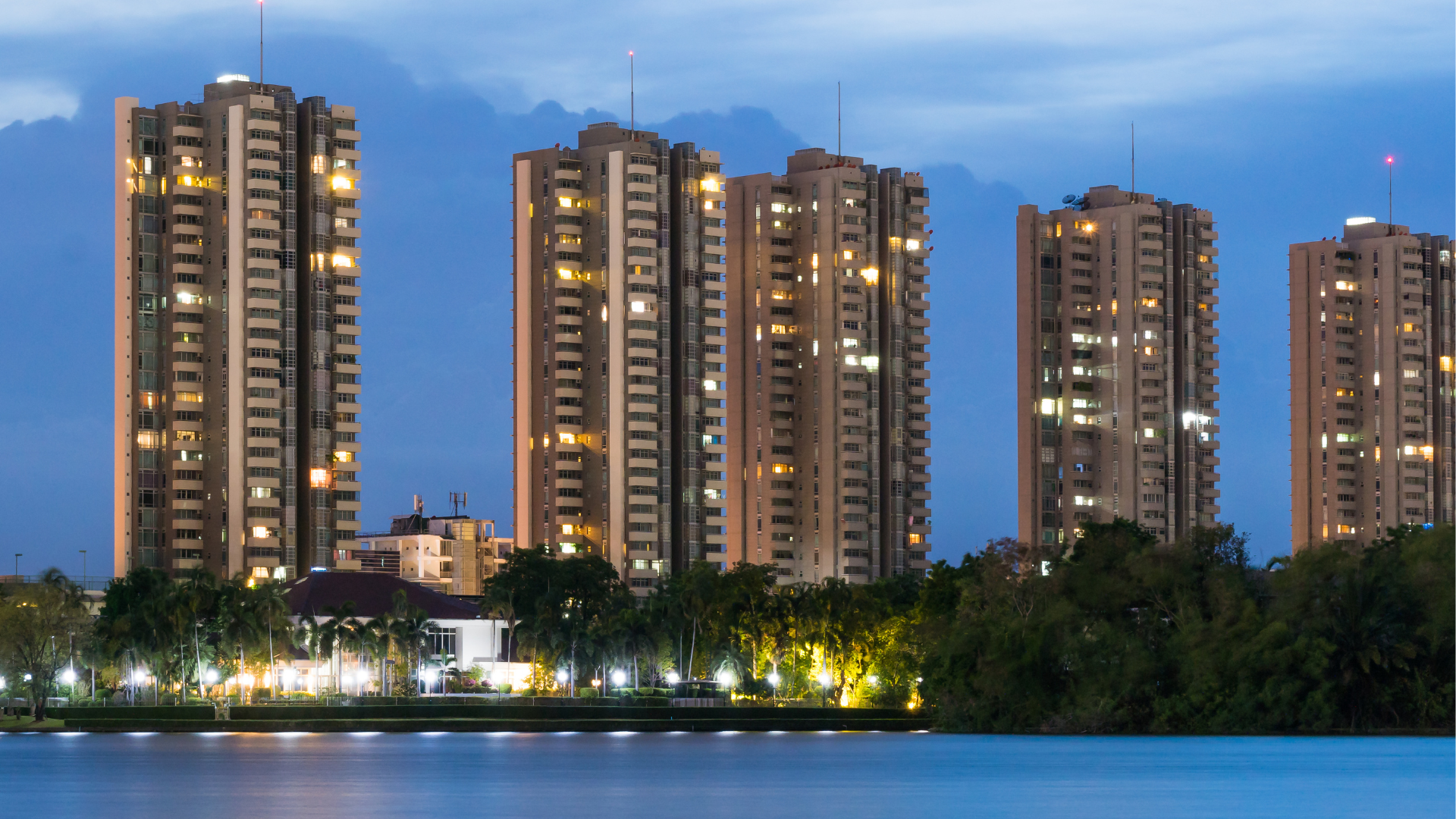
- Exteriors should be well lit. Most offenders prefer to stay unseen. Entrances, walkways, parking areas, and mail kiosks should be lit, and burned-out fixtures should be replaced promptly. Motion sensor lights can be used at homes, aimed down and away from neighbors' windows so that glare does not create new shadows.
- The community should be maintained. Broken fences, graffiti, overgrown areas, and litter suggest that no one is paying attention. A clean, well-kept community sends the opposite message.
- Homes and vehicles should be locked. Many thefts start with an unlocked car or door. Regular reminders can be sent to residents not to leave keys, garage openers, or valuables in vehicles.
- Local law enforcement should be involved. Residents should be encouraged to report suspicious activity, even if it seems minor. Emergency and non-emergency numbers can be shared in the newsletter or on the community website. The board can also ask the local police or sheriff's office for crime prevention advice.
- A neighborhood watch can be organized. Programs are set up with local law enforcement and bring neighbors together. Watch members observe and report; they do not confront or pursue anyone.
- Residents should stay informed about trends. Package theft rises during busy shopping seasons, and vehicle break-ins sometimes come in waves. Timely notices help residents stay alert.
- Landscaping should be planned with safety in mind. Tall hedges and dense shrubs near doors and windows give intruders a place to hide. Plantings should be trimmed back from buildings, walkways, and lights.
- A strong community should be built. Neighbors who know each other notice unfamiliar vehicles and unusual activity, and they watch each other's homes during trips. Meet-and-greets, block parties, and welcome events help. Ideas can be found in our post on
social committee ideas for HOA communities.
Protecting Individual Homes
Residents can add their own layers of protection:
- Doors, windows, and sliding glass doors should be locked, including when someone is home.
- An alarm system, with a visible sign or decal, discourages many burglars.
- All keys and garage openers should be accounted for, and the door between the garage and the house should be kept locked.
- Valuables should be kept out of sight from windows, or stored in a safe.
- Sensitive documents should be shredded before they are thrown away.
- People who come to the door should be asked for identification, especially those who claim to represent a utility or government agency.
- A video doorbell lets residents see who is at the door without opening it.
Before exterior cameras, lights, or alarm signs are added, the governing documents should be checked for any architectural approval that is required.
When Residents Travel
A home that looks occupied is less likely to be targeted.
- Timers can be set for indoor lights.
- Lawns should be kept mowed and plants watered while residents are away.
- Mail and package deliveries should be held, or collected by a neighbor.
- Travel plans and photos are best shared on social media after the trip, not during it.
- A trusted neighbor, the neighborhood watch, or on-site security can be asked to keep an eye on the home.
More on protecting common areas can be found in
how to deal with vandalism in your community and
handling trespassing situations.
Safety Support for Your Association
Common area lighting, landscaping contracts, access control, and community notices are coordinated for the associations managed by Condominium Associates across Tampa Bay, Sarasota, and Pasco. To talk about safety in your community,
contact us.