



Florida Summer Maintenance Tips for HOAs & Condo Communities

Doug Jenkins • May 2, 2025

Share this article

Rooftop with orange tiles under a bright sun in a hazy orange sky

Florida summers are no joke. While hurricanes dominate the headlines, it’s the relentless heat and humidity that slowly strain your community’s infrastructure. From rooftops and HVAC units to elevators and pools, the wear and tear can sneak up fast—and if you're on the board of a condominium or homeowners association, waiting too long to address these seasonal stressors can lead to expensive surprises.

Is your community ready for Florida’s summer heat?

The first place to start is up top—your roof. Roofs in Florida endure punishing UV rays and constant expansion and contraction during extreme temperatures. Over time, shingles can crack, tile can loosen, and flat roofs can develop leaks, especially when summer storms roll in. It's a smart move to schedule regular inspections with a licensed contractor who understands Florida’s unique conditions. Reflective coatings or materials that reduce rooftop heat are also worth considering. You can review the current Florida Building Code on roofing standards or check out resources from the University of Florida to stay informed.

Next up: HVAC systems. When temperatures consistently hover in the 90s, air conditioning isn’t just a luxury—it’s essential. Older systems, clogged filters, and uncalibrated thermostats can cause your system to work harder than necessary, increasing energy bills and leading to mid-season failures. Preventive inspections and filter replacements can make a big difference in performance. Boards should make sure shared systems are serviced and that unit owners are educated on proper upkeep. Florida Power & Light offers excellent energy-saving tips for HVAC systems, and the ASHRAE design guidelines are a reliable industry standard.

Elevators may not seem like they'd be affected by heat, but they absolutely are. In Florida’s humidity, elevator machinery—particularly control panels—can overheat or malfunction. Add in power fluctuations and older systems, and you've got a recipe for outages. Regular inspections are key, especially during the summer months. Florida law already mandates yearly inspections by a certified professional through the Department of Business and Professional Regulation, but if your system is aging or you’ve had recurring issues, additional summer checkups may be a smart investment. You can find useful safety information from the National Elevator Industry and additional inspection guidelines here.

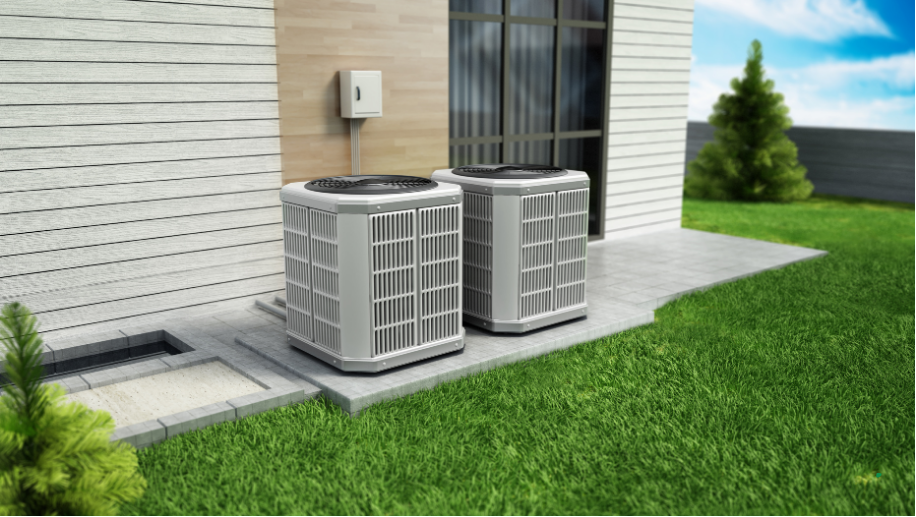
Two outdoor HVAC units beside a house on a concrete pad next to green lawn

As above, so below

The sun doesn’t just hurt what’s above—it can wreak havoc on what’s below. Pavement and concrete in Florida communities often crack or fade from prolonged sun exposure. Asphalt softens, striping becomes less visible, and walkways may develop uneven surfaces that pose tripping hazards. Boards should schedule sealcoating before peak summer heat if possible. The Florida Department of Transportation and University of Florida pavement center both offer excellent technical resources on maintaining surfaces.

And then there’s the pool. If your community has one, you already know summer is its busiest time of year. Increased use means more strain on pumps, filters, and chemicals. A pool that's out of service due to a failed pump or bad chemical balance not only frustrates residents—it can also be a liability. Make sure the pool is inspected weekly, that your pool operator is certified (as required by Florida law), and that all safety gear is functional. The CDC’s pool chemical safety page and Florida DOH’s standards are helpful references.

Call to Action: Don’t let broken pool pumps or overheating elevators ruin your residents’ summer.
Get a customized summer maintenance checklist from our experts

Landscaping is another area that can spiral quickly during summer. Florida’s climate alternates between scorching droughts and torrential downpours, both of which can wreak havoc on turf, trees, and irrigation systems. Neglected landscaping not only damages curb appeal—it can lead to root damage near building foundations or blocked drainage systems during storms. Install efficient irrigation, use mulch to retain soil moisture, and stay on top of routine trimming and debris removal. For best practices, visit the UF IFAS Lawn and Garden page or the Florida-Friendly Landscaping Program.

Florida pests, and what to do with them

Another consequence of Florida’s warm, moist environment is pests. Mosquitos, ants, termites, and rodents thrive during the summer months, especially near overgrown vegetation or in areas with standing water. Partnering with a licensed pest control company is a proactive way to keep infestations at bay. Resources from UF’s pest control guide and the EPA's IPM strategies can also help boards better understand effective, eco-friendly pest management options.

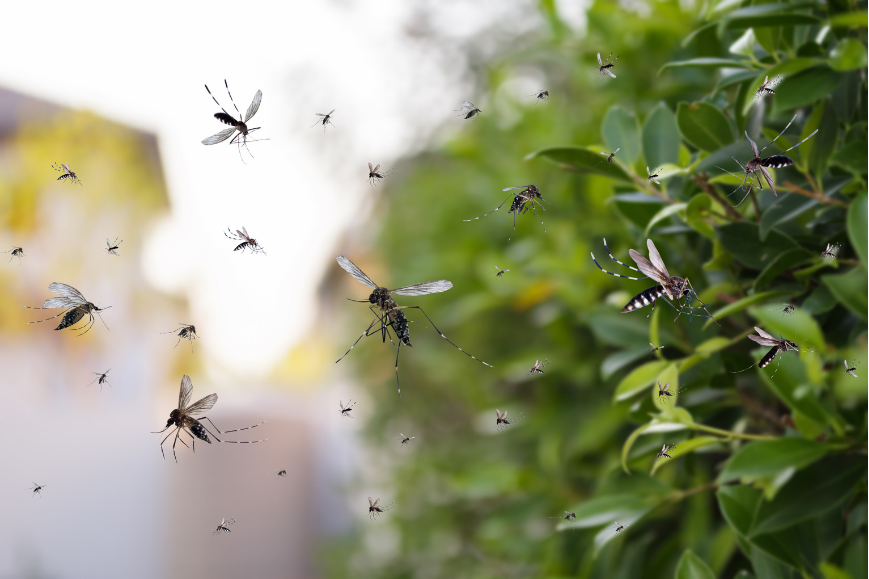
Mosquitoes flying near green leaves outdoors, with a blurred building in the background

When it comes to safety, you’ll want to ensure that all fire extinguishers, AEDs, smoke alarms, and emergency lights are inspected and working. Summer brings more outdoor activity, and more people in common areas means an increased risk of accidents or fire-related incidents. The Florida State Fire Marshal outlines building code and fire safety requirements, and the Red Cross provides guidance on AED placement and training.

Another key to summer preparedness is weatherproofing. Window and door seals should be checked for gaps and cracks, which can lead to both energy loss and moisture intrusion—two things no Florida community wants to deal with in the summer. Proper sealing also helps control interior humidity levels, which can cause issues like warped floors or mildew. Upgrading to double-pane or ENERGY STAR-rated glass is often a worthwhile investment. Visit ENERGY STAR’s window guide or the Florida Building Commission for standards and approved materials.

And finally, never underestimate the power of communication. Residents need to know when maintenance is happening, why it matters, and how it affects them. Whether it’s through your HOA’s website, emails, or a printed newsletter, providing regular updates fosters trust and encourages cooperation. The Community Associations Institute and Florida Condo & HOA Law Blog offer templates, best practices, and legal tips on keeping your board in sync with your membership.

Is your current management company doing all it takes to make your life easy in the summer? Click on the button below to see how we can help!

Frequently Asked Questions

How often should we inspect our roof in Florida?
At least once a year, ideally before hurricane season.

Can heat damage our elevator system?
Yes, especially control boards and older electrical components.

Do we need a certified pool operator?
Yes. Florida law requires it for public-use pools.

When should we sealcoat pavement?
Ideally before mid-summer, in late spring or early June.

Is there a legal requirement for safety equipment in common areas?
Yes. Fire extinguishers, AEDs, and other equipment must be maintained and inspected.

How do we prevent pest problems in summer?
Schedule routine pest control and eliminate sources of standing water and food waste.

What are signs of HVAC issues in hot weather?
Warm airflow, inconsistent cooling, and strange noises are common signs.

Can we use email to communicate maintenance updates?
Yes. Digital notifications are efficient and reduce misunderstandings.

Do windows impact energy bills?
Very much so. Poor seals or old windows can raise cooling costs dramatically.

Where can we find official maintenance guidance?
Start with the Florida DBPR or browse general government info at MyFlorida.com.

Recent Posts

Lawyers reviewing documents at a desk with a gavel in the foreground
By Doug Jenkins April 2, 2026
While the 2026 session did not introduce major new requirements, this does not signal a reduced focus on community association governance. Instead, it reflects a pause following several years of significant legislative change, as many of those reforms—particularly in condominium safety, financial transparency, and gove

Team meeting around a laptop at a wooden table in a bright office with papers and notes
By Doug Jenkins April 2, 2026
It is important to recognize a common human tendency that applies to all of us, including board members: we are not always fully aware of how our actions are experienced by others. From the board’s perspective, decisions may feel thoughtful, reasonable, and well-intended.

Five coworkers gathered around a laptop in a bright office, collaborating and discussing work.
By Doug Jenkins April 1, 2026
Understanding the importance of great communication in association management. A working session between the board and management to define how communication will function is key. In that meeting, create a simple, repeatable plan that ensures communication is consistent, meaningful, and aligned with how the association

People taking notes at a sunlit wooden conference table during a meeting
By Doug Jenkins March 20, 2026
Understand how Florida HOA boards should conduct meetings & delegate financial authority. Ensure transparency & compliance with state laws.

Aerial view of a suburban neighborhood with red-roofed houses, trees, and a roundabout intersection.
By Doug Jenkins February 10, 2026
Florida’s Marketable Record Title Act (MRTA), Chapter 712, Florida Statutes, extinguishes old covenants and restrictions after 30 years — unless these HOA governing docs are properly preserved. 

Small black, white, and brown puppy sitting on green grass wearing a blue harness
By Doug Jenkins February 4, 2026
For understanding HOA Pet Rules: Start by thoroughly reading your HOA’s governing documents. This will give you a clear picture of what is expected.
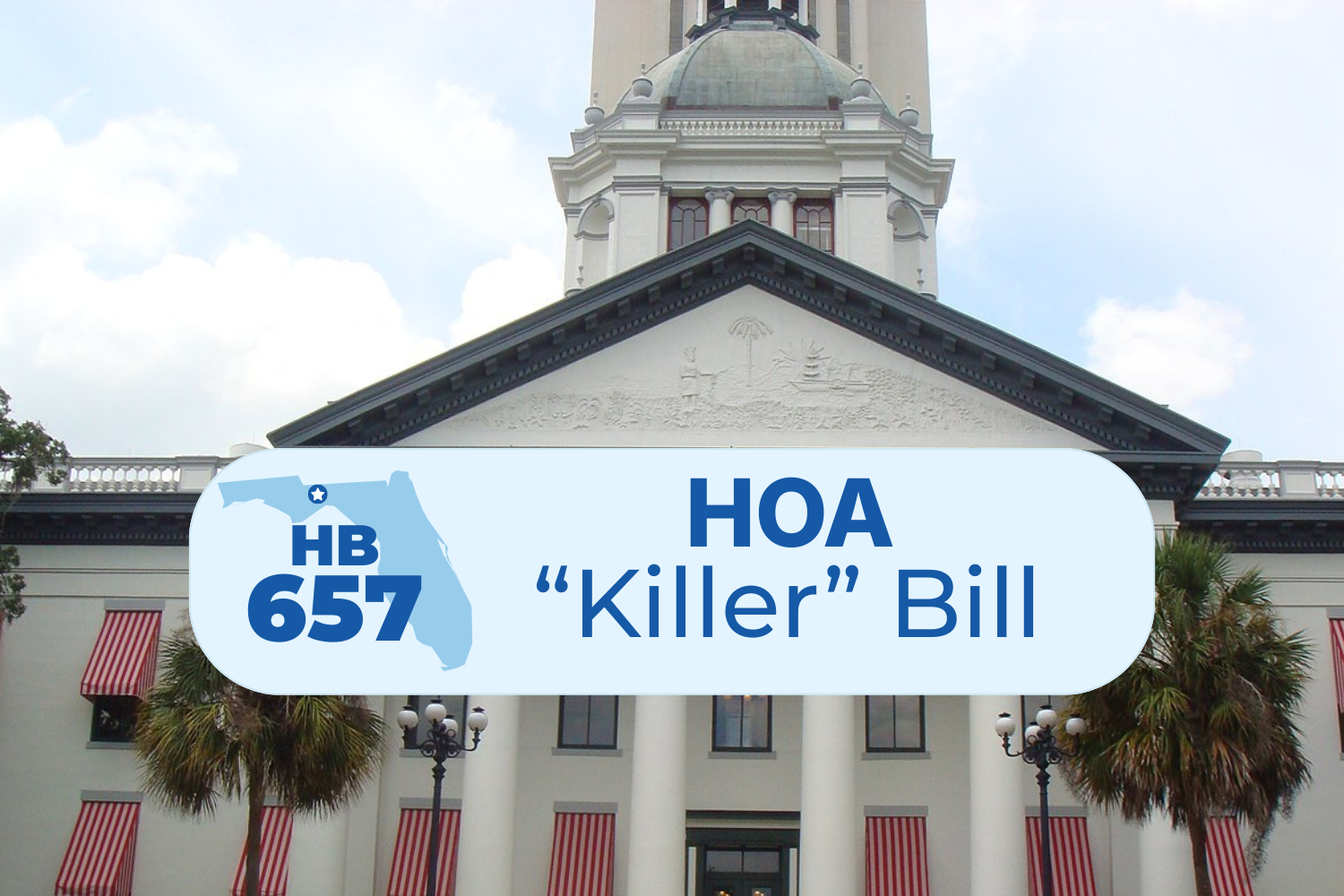
Sign reading “HB 657 HOA ‘Killer’ Bill” over a building facade
By Doug Jenkins January 23, 2026
Florida House Bill 657 (HB 657) proposes a path for termination or dissolution of HOAs — giving it the widely used nicknamed the HOA Killer Bill.

Hands typing on a white laptop in a bright room with a window.
By Doug Jenkins January 6, 2026
New Florida law requires condo associations (25+ units, down from 150+) to maintain official websites with online record access under FL Statute 718.111.
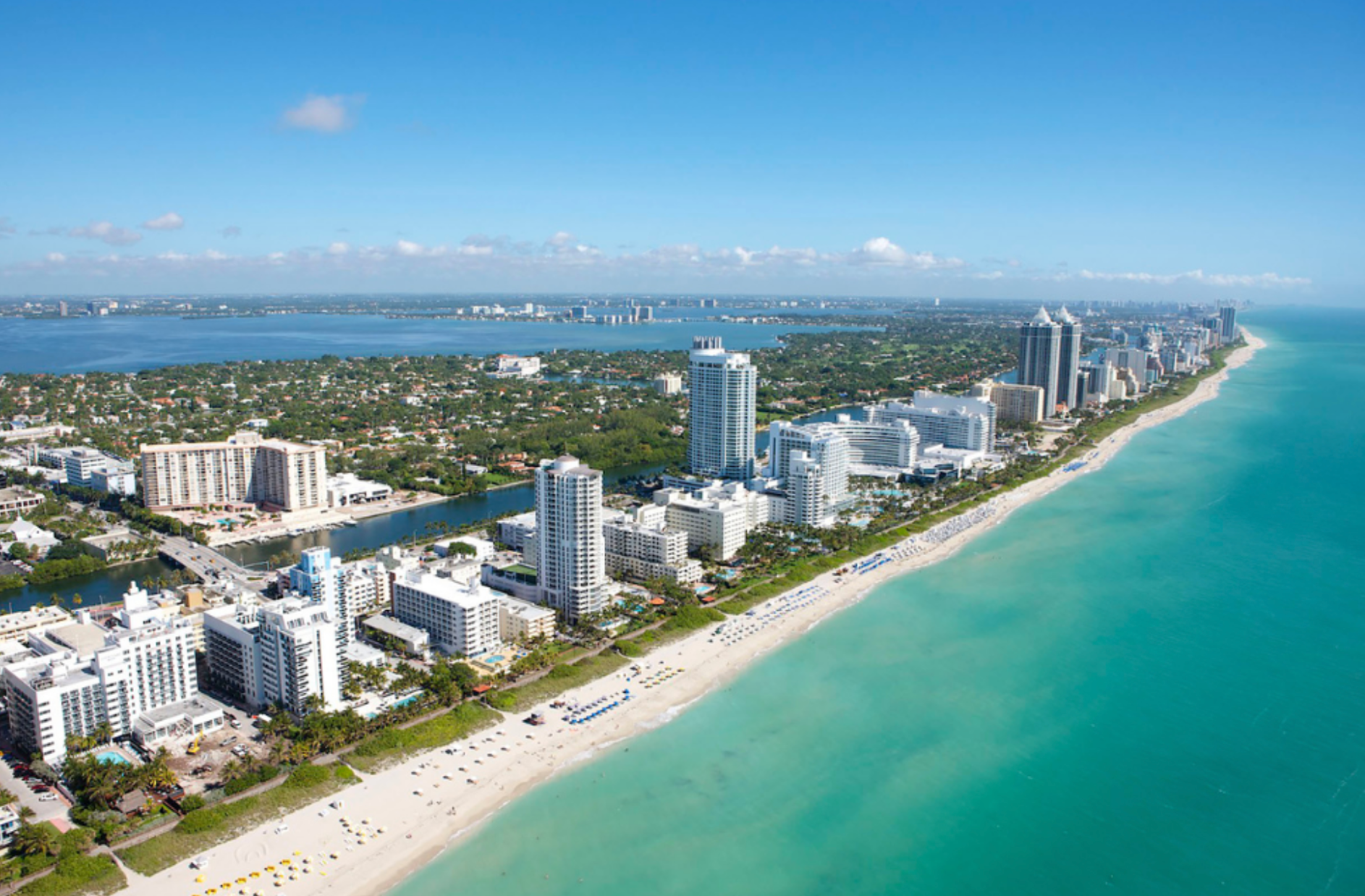
Aerial view of a coastal city with high-rise buildings, white sandy beach, and turquoise ocean under a clear blue sky
By Doug Jenkins December 18, 2025
New laws focused on safety, financial preparedness, and transparency are being rolled out, and they’re a direct response to lessons learned in recent years.

Brown spider with long legs on a white background
By Doug Jenkins July 30, 2025
Here’s the good news: fall pest control doesn’t have to be expensive or time-consuming. Small steps now can prevent larger (and more expensive) problems down the road. We always recommend a layered approach.