

The Hidden Costs of Volunteer Burnout: How to Keep Your Board Engaged and Avoid Revolving Doors

Doug Jenkins • May 15, 2025

Share this article

In the world of HOA and condominium associations, a well-functioning board is the heartbeat of the community. These volunteers take on tasks most residents never see—reviewing contracts, managing disputes, overseeing budgets, and staying compliant with state laws. But what happens when those volunteers start burning out? The results can be costly—both in terms of dollars and community trust.

If your board is struggling with member turnover or decision fatigue, we can help guide your association toward long-term stability. Let’s talk.

The condition that shall remain “nameless”

Volunteer burnout is one of the least discussed yet most damaging issues in community association management. Burnout isn’t just a personal challenge—it’s an operational risk. A disengaged or constantly rotating board can lead to inconsistent decision-making, stalled projects, legal exposure, and even increased vendor costs due to inefficiency.

A report by the National Center for Biotechnology Information outlines how burnout manifests in volunteer settings: emotional exhaustion, depersonalization, and a reduced sense of accomplishment. In HOA or condo environments, this might look like a treasurer ignoring emails, a president abruptly resigning, or a board that can’t get a quorum for critical votes. When the same small group of people shoulders too many responsibilities—especially without professional support or resident appreciation—it’s only a matter of time before they step away entirely.

Florida boards are already tasked with adhering to complex regulations. From the Florida Department of Business & Professional Regulation to Chapter 718 of the Florida Statutes, board members are expected to be part-time legal experts, financial managers, and community diplomats—all unpaid. Without proper onboarding, continuing education, and backup support, burnout becomes almost inevitable.

Person sitting at a cluttered desk, stressed with head in hands, surrounded by papers and a laptop in a home office

Every month, bills…bills…bills!

“What on earth is a reserve study?”

One factor that accelerates burnout is role ambiguity. A new board member may step into a treasurer role with no real understanding of reserve studies, bank reconciliations, or audits. Yet they're expected to make multimillion-dollar decisions with confidence. Offering structured orientation through resources like CAI's Board Member Toolkit or training through The Florida CAM Academy can reduce stress while improving decision-making.

Another underappreciated cost of burnout is lost institutional memory. When experienced board members walk away, they often take years of community context with them. That knowledge isn’t written into the bylaws—it’s in their heads. Losing it can slow down projects, force repeat work, or create conflict as new board members repeat past mistakes. It’s worth considering how minutes are stored and shared. Using tools like or HOAst helps preserve continuity across transitions.

Board members may also struggle with interpersonal conflict—especially in polarized communities. Difficult personalities, disruptive meeting attendees, or micromanaging residents can quickly erode enthusiasm. Associations that establish clear Codes of Conduct and conflict resolution protocols give their volunteers much-needed protection. Encouraging open but respectful communication helps ensure meetings are productive—not exhausting.

Regular recognition goes a long way too. According to Volunteer Florida , appreciation is one of the top drivers for retention. Simple gestures like annual thank-you letters, a spotlight in the community newsletter, or a special plaque at your annual meeting can boost morale. Consider offering board members educational events through Condominium Associates.

Woman in black blazer and white shirt screaming, hair flying upward against a plain gray background.

Nobody said I had to learn this much as a volunteer!

Feeling overwhelmed trying to engage and retain board volunteers? We offer customized support and training for new and experienced boards. Learn more about our board support services.

Streamline to Stay Sane: The Tech Advantage That Prevents Board Burnout

One thing that’s often overlooked is the role of technology in reducing burnout. Manual processes—like paper-based violation tracking or emailing financial spreadsheets—sap energy and time. Platforms like CINC Web Axis offer dashboards that automate many of the day-to-day tasks board members manage. This doesn’t just improve transparency—it gives your volunteers their time back.

Communication tools can also help. Regular email updates through Cinc Web Axis for surveys through SurveyMonkey keep residents informed and involved, so the board doesn’t always feel like they’re the only ones engaged. When residents are part of the process, they’re more likely to contribute—and less likely to criticize.

Another contributor to burnout is unmet expectations. Homeowners may assume board members can resolve disputes overnight or waive fines on a whim. Educating residents on the board’s actual role—perhaps using an FAQ page built with Notion or distributing a guide like Florida’s Condominium Governance Booklet—can go a long way in curbing frustration.

There’s a Committee for that

If your community doesn’t already have committees, forming them can distribute the workload. Architectural review, social events, and finance committees create natural “on ramps” for residents who might not be ready for a full board role but want to help. Committee charters ensure everyone knows their responsibilities, reducing confusion or micromanagement.

When boards are supported, trained, and appreciated—they stick around. That consistency creates better governance, smoother operations, and a healthier community culture.

Person lounging on a sandy beach with a laptop, backpack, and sunhat by the ocean

Why can’t all our association meetings be like this?

If you’re noticing the early signs of burnout—missed meetings, low energy, difficulty recruiting—don’t wait for it to escalate into a crisis. There are simple, affordable steps that can help retain institutional knowledge and bring energy back to your board.

Ready to build a more resilient board and explore professional support? Click here to request a proposal tailored to your association’s needs.

FAQ’s

1. What are common signs of HOA board member burnout?
Signs include missed meetings, unresponsiveness, emotional fatigue, declining morale, and abrupt resignations.

2. How can an association prevent volunteer burnout?
Prevent burnout by offering training, sharing responsibilities, using automation, and recognizing contributions.

3. Is burnout more common in smaller associations?
Yes, smaller associations often have fewer volunteers, increasing the load on each board member.

4. Can we hire professional help without losing control as a board?
Absolutely. Management companies act as support, not replacements, ensuring you stay compliant and effective.

5. What happens if our entire board resigns?
This creates a legal crisis. The state may appoint a receiver, which is expensive and removes local control.

6. Are there legal protections for board members dealing with conflict?
Yes, many associations adopt codes of conduct, and Florida law protects board members acting in good faith.

7. How do we get more residents involved without pressuring them?
Invite them to join committees or task forces. This gives them a taste of involvement with limited commitment.

8. What kind of training is available for new board members?
Florida CAMs and organizations like CAI and FCAP offer board certification and continuing education courses.

9. Should we be paying our board members?
Most associations do not. However, budget-permitting, you can reimburse for training or conference fees.

10. How often should boards review and revise their governing documents?
Ideally every 5–7 years, or sooner if you’ve had major state statute updates or legal disputes.

Recent Posts

Lawyers reviewing documents at a desk with a gavel in the foreground
By Doug Jenkins April 2, 2026
While the 2026 session did not introduce major new requirements, this does not signal a reduced focus on community association governance. Instead, it reflects a pause following several years of significant legislative change, as many of those reforms—particularly in condominium safety, financial transparency, and gove

Team meeting around a laptop at a wooden table in a bright office with papers and notes
By Doug Jenkins April 2, 2026
It is important to recognize a common human tendency that applies to all of us, including board members: we are not always fully aware of how our actions are experienced by others. From the board’s perspective, decisions may feel thoughtful, reasonable, and well-intended.

Five coworkers gathered around a laptop in a bright office, collaborating and discussing work.
By Doug Jenkins April 1, 2026
Understanding the importance of great communication in association management. A working session between the board and management to define how communication will function is key. In that meeting, create a simple, repeatable plan that ensures communication is consistent, meaningful, and aligned with how the association

People taking notes at a sunlit wooden conference table during a meeting
By Doug Jenkins March 20, 2026
Understand how Florida HOA boards should conduct meetings & delegate financial authority. Ensure transparency & compliance with state laws.

Aerial view of a suburban neighborhood with red-roofed houses, trees, and a roundabout intersection.
By Doug Jenkins February 10, 2026
Florida’s Marketable Record Title Act (MRTA), Chapter 712, Florida Statutes, extinguishes old covenants and restrictions after 30 years — unless these HOA governing docs are properly preserved. 

Small black, white, and brown puppy sitting on green grass wearing a blue harness
By Doug Jenkins February 4, 2026
For understanding HOA Pet Rules: Start by thoroughly reading your HOA’s governing documents. This will give you a clear picture of what is expected.
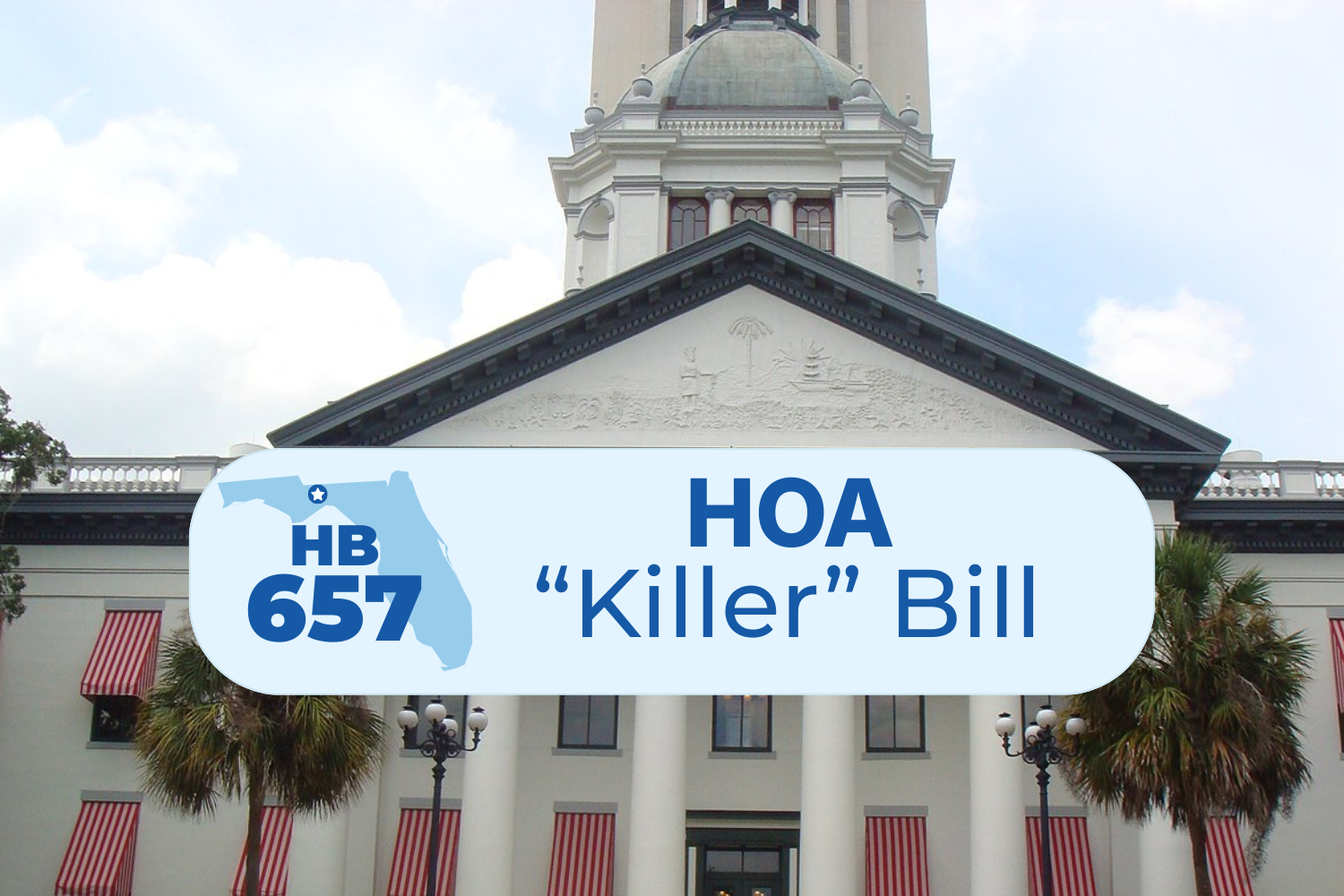
Sign reading “HB 657 HOA ‘Killer’ Bill” over a building facade
By Doug Jenkins January 23, 2026
Florida House Bill 657 (HB 657) proposes a path for termination or dissolution of HOAs — giving it the widely used nicknamed the HOA Killer Bill.

Hands typing on a white laptop in a bright room with a window.
By Doug Jenkins January 6, 2026
New Florida law requires condo associations (25+ units, down from 150+) to maintain official websites with online record access under FL Statute 718.111.
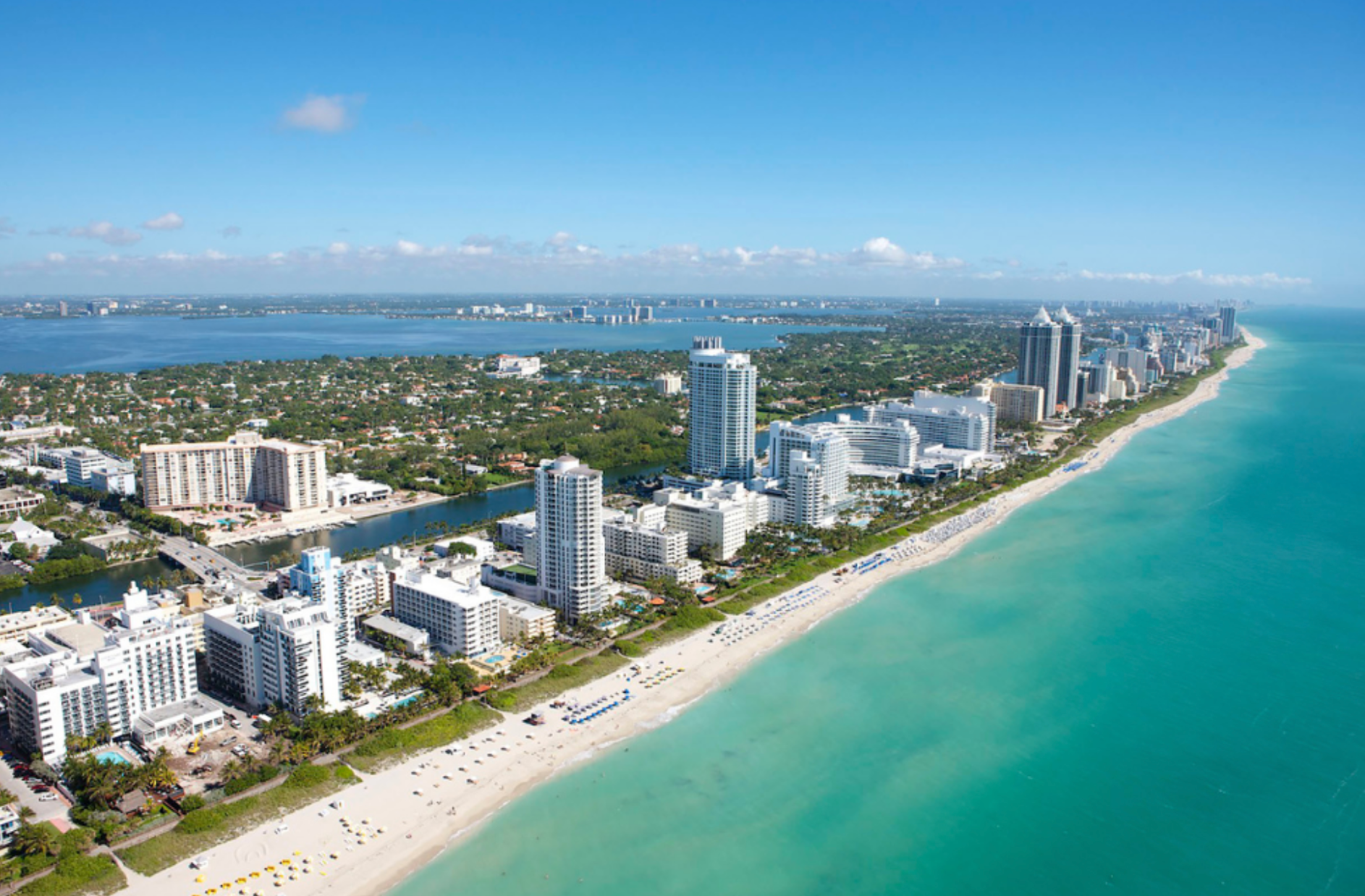
Aerial view of a coastal city with high-rise buildings, white sandy beach, and turquoise ocean under a clear blue sky
By Doug Jenkins December 18, 2025
New laws focused on safety, financial preparedness, and transparency are being rolled out, and they’re a direct response to lessons learned in recent years.

Brown spider with long legs on a white background
By Doug Jenkins July 30, 2025
Here’s the good news: fall pest control doesn’t have to be expensive or time-consuming. Small steps now can prevent larger (and more expensive) problems down the road. We always recommend a layered approach.