
Insights from a Day in the Life of an LCAM

Doug Jenkins • March 26, 2025

Share this article

Have you ever wondered what it’s like to oversee a thriving condominium community?

For a Licensed Condominium Association Manager, no two days are ever the same. The role is a mix of problem-solving, coordination, and engagement, all aimed at maintaining a harmonious living environment. From early-morning property inspections to late-afternoon financial reviews, each day presents new challenges and rewards. Let’s take a closer look at what a typical day entails.

Person standing with arms outstretched before bright curtains, backlit by sunlight

Morning Motivation: A Positive Start

The day kicks off early, often with a strong cup of coffee and a quick email check. Overnight messages from residents or board members may include anything from maintenance requests to community concerns. It’s always a pleasant surprise to find a note of appreciation—maybe a resident thanking the team for a swift repair or an acknowledgment of a well-organized community event. Moments like these reinforce the importance of responsiveness and proactive management.

Daily Property Walkthroughs: Keeping the Community in Top Shape

One of the most critical tasks of the day is the morning property walkthrough. This serves multiple purposes: identifying potential issues before they escalate, ensuring that maintenance work meets expectations, and simply keeping a pulse on the community’s needs. Beyond functionality, these walks allow managers to appreciate the hard work that goes into keeping the property in excellent condition. For those considering this career path, organizations like the Community Associations Institute (CAI) offer training programs that provide valuable industry insights.

Team Meetings: Collaborating for a Well-Maintained Community

Team meeting in a brick-walled conference room, with people discussing around a laptop.

Property managers don’t work alone—it’s a team effort. Daily check-ins with maintenance and administrative staff ensure that everyone is aligned on priorities. From routine upkeep to urgent repairs, these meetings help create a plan to keep everything running smoothly. Staying informed about best practices is key, and resources like Buildium’s Maintenance Tips provide valuable guidance. You can also gain practical tips from checking out https://www.narpm.org/.

Lunchtime Learning: Continuous Education for Better Management

Staying ahead in property management means always learning. Whether it’s attending an online webinar on energy efficiency or reading up on the latest regulations, a good manager is always seeking ways to improve the community. Organizations like Energy Star for Buildings and the U.S. Green Building Council offer great insights into sustainability, which has become a crucial aspect of modern property management.

Afternoon Resident Consultations: Strengthening Community Bonds

A big part of the job is fostering strong relationships with residents. The afternoon is often filled with meetings addressing concerns, from upcoming events to policy clarifications. Pet policies, for instance, can be a frequent topic, and resources like the ASPCA can help provide guidelines for responsible pet ownership within the community. Open communication is essential, ensuring that residents feel heard and valued.

Working closely with the maintenance team is essential. They discuss everything from routine repairs to urgent maintenance needs, ensuring that both safety and aesthetics are prioritized within the community. Staying on top of maintenance is key to ensuring community happiness and safety. For additional insights, they often refer to resources like Buildium's Maintenance Tips and Community Associations Institute.

End-of-Day Financial Review: Keeping the Budget in Check

Financial oversight might not be the most glamorous part of the job, but it’s one of the most critical. Reviewing budgets, tracking expenses, and ensuring that the community’s finances remain stable is a daily responsibility. Many managers rely on digital tools like Mint or consult HOA Financial Management resources to streamline the process. Financial diligence ensures that the community remains well-funded for future projects and maintenance needs.

Reflecting on the Day’s Impact

As the workday winds down, there’s a moment to reflect on the bigger picture. Each decision, whether it was a quick maintenance fix or a long-term financial strategy, plays a role in shaping a thriving community. It’s a rewarding feeling to know that the work being done makes a tangible difference in people’s lives.

Woman in a blue shirt holding a mug by a window, gazing outside with a calm expression

Additional Insights on Community Management

Being an effective property manager requires a diverse skill set, from organization and financial planning to conflict resolution and leadership. To stay at the top of their game, many managers turn to resources like the American Management Association and AppFolio Property Management Software. For handling disputes—an inevitable part of community living—Online Conflict Resolution Education provides essential training.

Advanced Management Strategies

Beyond daily operations, experienced managers invest time in enhancing long-term community planning. Leveraging tools like Yardi Property Management Solutions and Procore Project Management Software helps streamline larger projects, ensuring efficiency. Additionally, securing proper insurance coverage is a crucial aspect of risk management, with resources like State Farm Condo Association Insurance providing tailored solutions.

Emergency plan folder on desk with keyboard, notebook, and pen clips.

Emergency Preparedness: Being Ready for the Unexpected

A responsible manager is always prepared for emergencies. Whether it’s extreme weather, power outages, or unexpected maintenance failures, having a plan in place is essential. Websites like Ready.gov offer valuable tips on community-wide preparedness. Legal updates and compliance with property laws are also key areas of focus, making HOA Legal Resources a go-to for up-to-date information.

Staying Connected: Technology for Better Communication

In today’s digital world, seamless communication is a must. Many managers use platforms like Zoom Video Communications for virtual board meetings, ensuring clear discussions and efficient decision-making. Staying informed and engaged helps create a well-managed, thriving community.

Final Thoughts

A day in the life of a Licensed Condominium Association Manager is a dynamic mix of responsibilities, from overseeing maintenance to fostering community connections. It’s a role that requires patience, adaptability, and a passion for building a great living environment. While the challenges are plenty, the rewards—seeing residents enjoy a well-maintained and vibrant community—make it all worthwhile.

Frequently Asked Questions About Being a Licensed Condominium Association Manager

1. What qualifications do you need to become a Licensed Condominium Association Manager? To become a Licensed Condominium Association Manager, you typically need a combination of education and experience in property management. Most states require a specific license, which often involves completing a set number of educational hours in property management and passing a licensing exam. Additionally, it's beneficial to have a background in business, real estate, or hospitality, as these areas provide relevant skills for managing properties effectively.

2. How do you handle conflicts between residents? Handling conflicts between residents requires diplomacy, patience, and strong communication skills. The first step is to listen actively to each party's concerns and validate their feelings. I then work to mediate discussions and find common ground, often referring to the condominium's rules and regulations as a neutral guide. When necessary, we also involve mediation professionals to ensure that resolutions are fair and sustainable.

3. What’s the most challenging part of your job? One of the most challenging parts of the job is balancing the diverse needs and expectations of all residents while managing the financial and operational constraints of the property. Each decision can significantly impact the community's quality of life, so it's crucial to consider all factors and communicate openly about the reasoning behind each decision.

4. How often do you communicate with the condominium board? Communication with the condominium board is frequent and structured. Typically, I meet with the board at least once a month to discuss ongoing issues, upcoming projects, and financial matters. Additionally, we have ad-hoc meetings if urgent issues or opportunities arise that require immediate attention.

5. What are some common maintenance issues you deal with? Common maintenance issues in condominiums include plumbing leaks, electrical issues, HVAC malfunctions, and general wear and tear in communal areas. Regular inspections and maintenance schedules help mitigate these problems, but unexpected issues can still arise that require prompt attention to prevent larger problems.

6. How do you stay updated with property management regulations? Staying updated with property management regulations involves regular training, attending industry seminars, and subscribing to relevant publications and legal updates. Additionally, I maintain memberships with professional organizations like the Community Associations Institute (CAI) and the National Association of Residential Property Managers (NARPM), which provide resources and updates on changes in property management laws and best practices.

7. What’s the best part about working as a Condominium Association Manager? The best part of being a Condominium Association Manager is the sense of community and the ability to make a tangible difference in people's lives. It's rewarding to see the community flourish—whether through improved facilities, well-maintained landscapes, or happy residents—and know that your hard work helps create a welcoming and functional living environment.

8. How do you manage large-scale renovations or repairs? Managing large-scale renovations or repairs involves careful planning, budgeting, and communication. I coordinate with contractors, architects, and the condominium board to ensure that all projects align with the community's needs and financial capabilities. Regular updates to the residents are crucial to managing expectations and minimizing disruptions. We also ensure compliance with all local building codes and regulations.

9. Can residents suggest improvements or changes in the community? Absolutely, resident suggestions are always welcome and encouraged. Typically, there's a process in place for submitting these suggestions, either through community meetings, direct submissions to the management office, or via an online portal. These suggestions are then reviewed with the board to determine feasibility and alignment with the community's long-term goals.

10. What advice would you give someone considering this career path? For anyone considering a career as a Condominium Association Manager, my advice is to focus on developing strong interpersonal, organizational, and problem-solving skills. It's also beneficial to gain a solid understanding of property law, finance, and building maintenance. Networking with industry professionals and seeking mentorship can provide valuable insights and opportunities in this dynamic field. Above all, a successful manager is adaptable, proactive, and genuinely committed to serving the community.

Recent Posts

By Association Management Team • October 21, 2026
Individual directors sometimes make commitments to vendors, residents or contractors without board authorization. This creates confusion and can undermine the authority of the entire board.

By Association Management Team • October 21, 2026
Healthy boards can disagree without becoming dysfunctional. The real issue isn't disagreement but whether directors can deliberate professionally, make a decision, and support the board's final action.

By Association Management Team • October 21, 2026
Boards often focus on the premium while overlooking the financial impact of a large deductible. This article explains why the deductible belongs in broader financial and emergency planning.

By Association Management Team • October 19, 2026
Sometimes the reserve study identifies funding needs that the existing budget simply cannot support. This article explains how boards can approach the gap without jumping immediately to a special assessment.
By Association Management Team • October 16, 2026
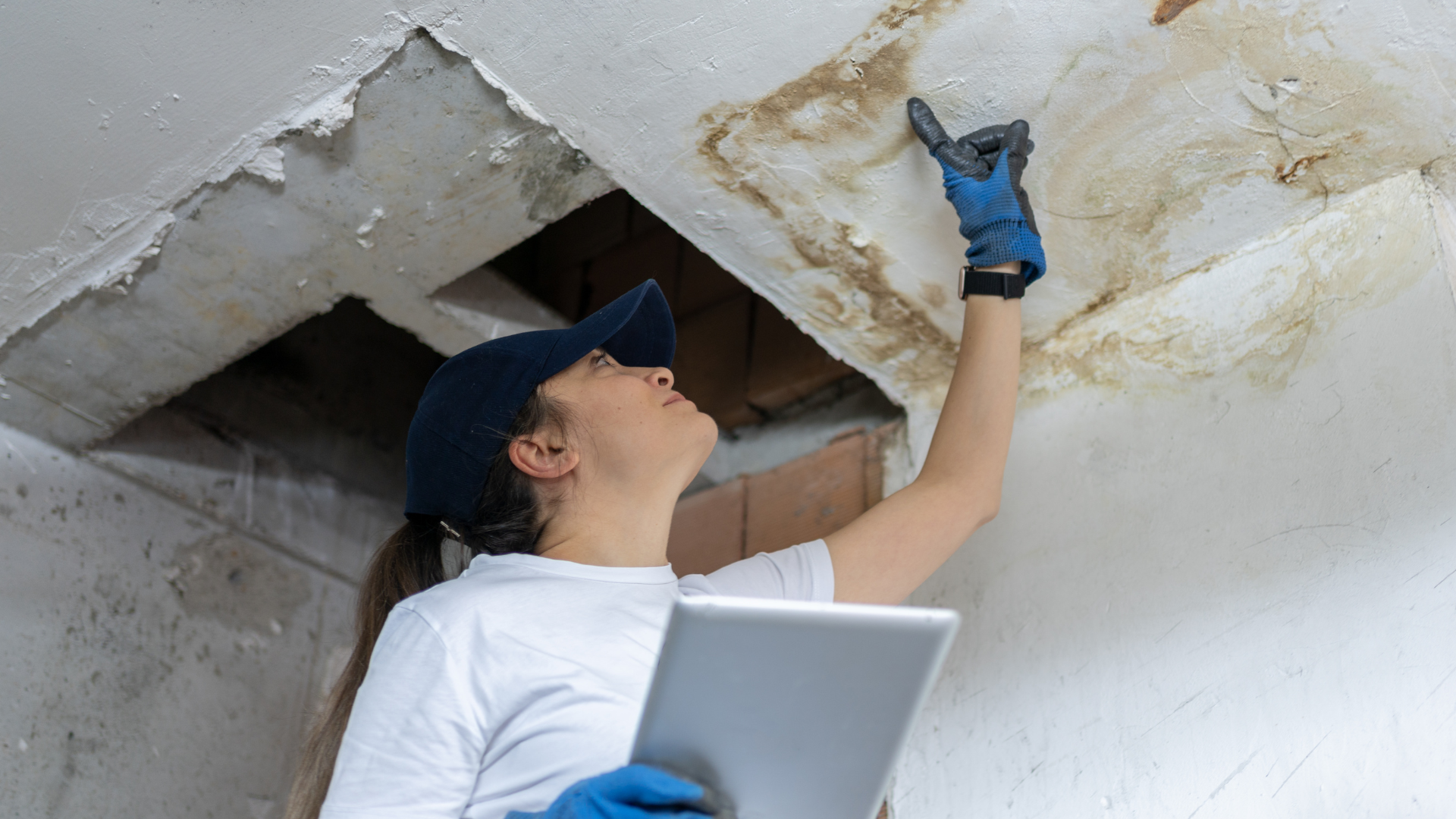
When disaster strikes—whether it’s a hurricane, fire, or a burst pipe—HOA boards are often forced to act before the insurance claim is settled. The gap between the loss and the arrival of insurance funds can be stressful and confusing.
By Association Management Team • October 16, 2026
Insurance renewal shouldn’t be a signature exercise. Boards should understand what changed, what the property is currently valued at, how deductibles affect the association, and whether coverage still reflects the community’s actual risks.

Modern single-story suburban house with stone accents, blue-gray siding, and a two-car garage under a clear sky
By Doug Jenkins • October 12, 2026
Learn what Florida’s Rule 61B-19.004 means for HOA board education, including director certification, continuing education, and board training requirements.

Stressed person buried in paperwork with an alarm clock on their head in an office
By Association Management Team • October 12, 2026
A final checkpoint for Florida condo boards ahead of December 31, 2026: confirm SIRS status, reserve funding, inspection records, and owner communication.
Aerial view of modern high-rise apartment towers amid dense green trees in a residential neighborhood
By Doug Jenkins • October 6, 2026
Learn what Florida’s Rule 61B-19.001 means for condominium board education, including BMC, milestone inspection, SIRS, and director certification requirements.

Four coworkers lean over a table, discussing colorful papers and markers in an office.
By Association Management Team • October 5, 2026
Completing a Structural Integrity Reserve Study is only the start. How Florida condo boards turn findings into reserve funding, timelines, and owner updates.