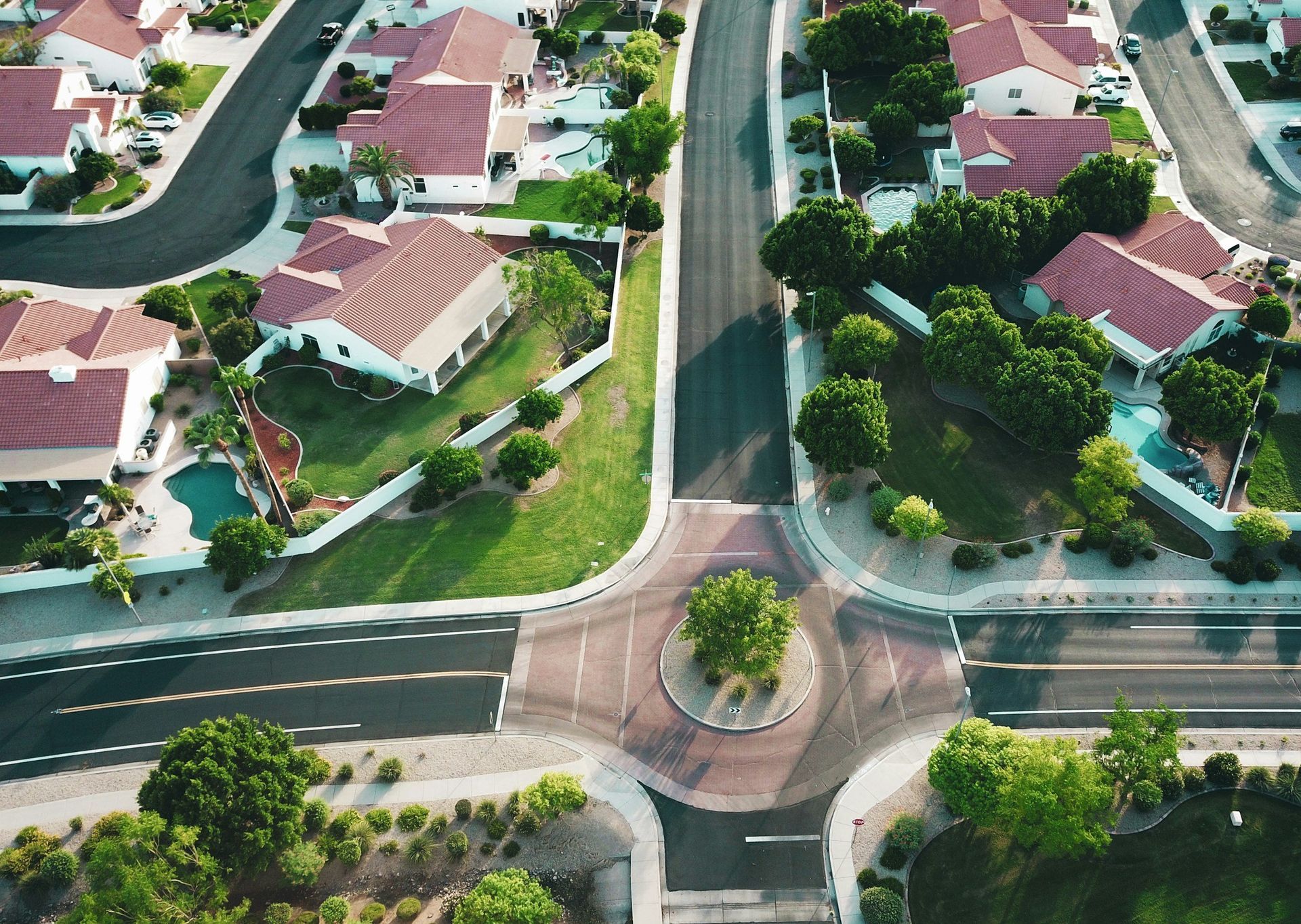
Homeowners living in HOA Communities face a variety of requirements, regulations, and rules by choosing to live in these private communities. One of the requirements for members is the payment of HOA fees. We want to give members
the necessary information concerning HOA fees and the many issues arise when homeowners fail to pay.
The Obligation to Pay HOA Fees
The obligation to pay fees assessed by an association primarily comes as a contractual obligation, created by the
Covenants, Conditions, and Restrictions (CC&Rs), as well as the Bylaws and Operating Rules.
Notably, the fee obligation runs with the land, and as such, the contractual obligation continues until ownership of the property changes to the next owner.
HOA fees are the costs assessed to all property owners to maintain the community, such as lawn care, snow removal, utilities, common area, landscaping, pools, gyms, and other operational needs. The amount of HOA fees will vary depending on the nature of the community, its location, and the services provided.
In general, the CC&Rs provide that homeowners can't offset any HOA fees owed in exchange for items that homeowners believe should be in the community. However, homeowners cannot cancel or withhold the payment of HOA fees due to the association's alleged mismanagement, failure to act or perform its obligations.
Collection Policy Requirements
The requirement for HOA to adopt a collection policy varies based upon applicable
state law and the association's governing documents. However, even when not required, well-governed associations that choose to adopt a fee collection policy provide community members with a road map outlining the steps the association will take when a member fails to pay.
HOA Collection Methods
An HOA's primary function is to provide maintenance and upkeep of the community and enforcement its rules uniformly. This responsibility helps ensure the community's long-term viability and the value of the property owners' investments.
Thus, the function of the association is to determine what services are needed to do so, contract for those services, and then collect sufficient fees while maintaining reserve funds to deal with unexpected maintenance issues that may arise.
When a homeowner fails to pay the fees when due, the association has a contractual obligation to collect the delinquency under the CC&Rs. For this reason, an HOA needs to have a standard process or collection policy to follow to ensure that discrimination issues do not arise.
In other words, associations must provide all delinquent homeowners with the same notifications and opportunities to cure the delinquency to avoid discrimination claims for failing to have a consistent collection policy. To help our readers understand what a standard collection policy looks like, the typical steps associations take to collect past-due HOA fees are below.
Send a Friendly Reminder (AKA Late Notice)
Generally, HOAs start the collection process by sending the defaulting owner a friendly reminder notice. Sometimes things get lost in the mail or overlooked, and in most cases of late payment, a simple, friendly reminder can get the job done. If that does not work, then associations take more formalized procedures to collect the fees.
Initial HOA Collection Letter of Demand
After the initial friendly reminder notice, if the homeowner fails to respond or take action, the next step HOAs generally take is a formal demand letter that must meet the
Fair Debt Collection Practices Act (FDCPA) requirements.
Subsequent HOA Collection Letters
After the initial demand letter, an association can send additional collection letters to avoid legal action. Most HOA move forward with lien enforcement, personal money judgment lawsuits, and even
foreclosure if that does not work.
Attorney Fee Liability
Depending on what the CC&Rs and state laws dictate, homeowners may be liable for attorneys' fees and related collection costs. In particular, most CC&Rs provide that if a homeowner fails to pay and compels the association to commence collection procedures if the association prevails in court, the homeowner would be liable for the association's legal fees and costs to collect the past-due fees.
Resolving Collection Matters
If homeowners face collections initiated by the HOA, the first start is by discussing the issue with the Board of Directors or its managing agent. If there are reasons why the homeowner is not paying, then those can be addressed, but remember that a homeowner is not allowed to withhold assessment payments.
It is also possible to work out an alternative arrangement if the homeowner is experiencing financial hardship. Rather than spending thousands of dollars on litigation, there are very often ways in which homeowners can address the issues without ending up with a personal money judgment lawsuit or foreclosure.
It is also essential for members to understand their legal rights and the collection procedures associations must follow when collecting HOA fees. These procedures will generally vary by state, but information on these topics is available to members on this website.
Contact Us
Members have a contractual responsibility to pay their fees on time. When the failure to do so happens, it is generally a much better practice for members to find ways to resolve those issues short of litigation.
Litigation can be costly and frankly can result in adverse consumer credit consequences.
Call us to learn more about your options if someone doesn't pay their HOA fees in your south Florida HOA or Condominium Association.