Skipping routine maintenance to save money is one of the most expensive decisions a Florida HOA or condo board can make — here's the real cost.
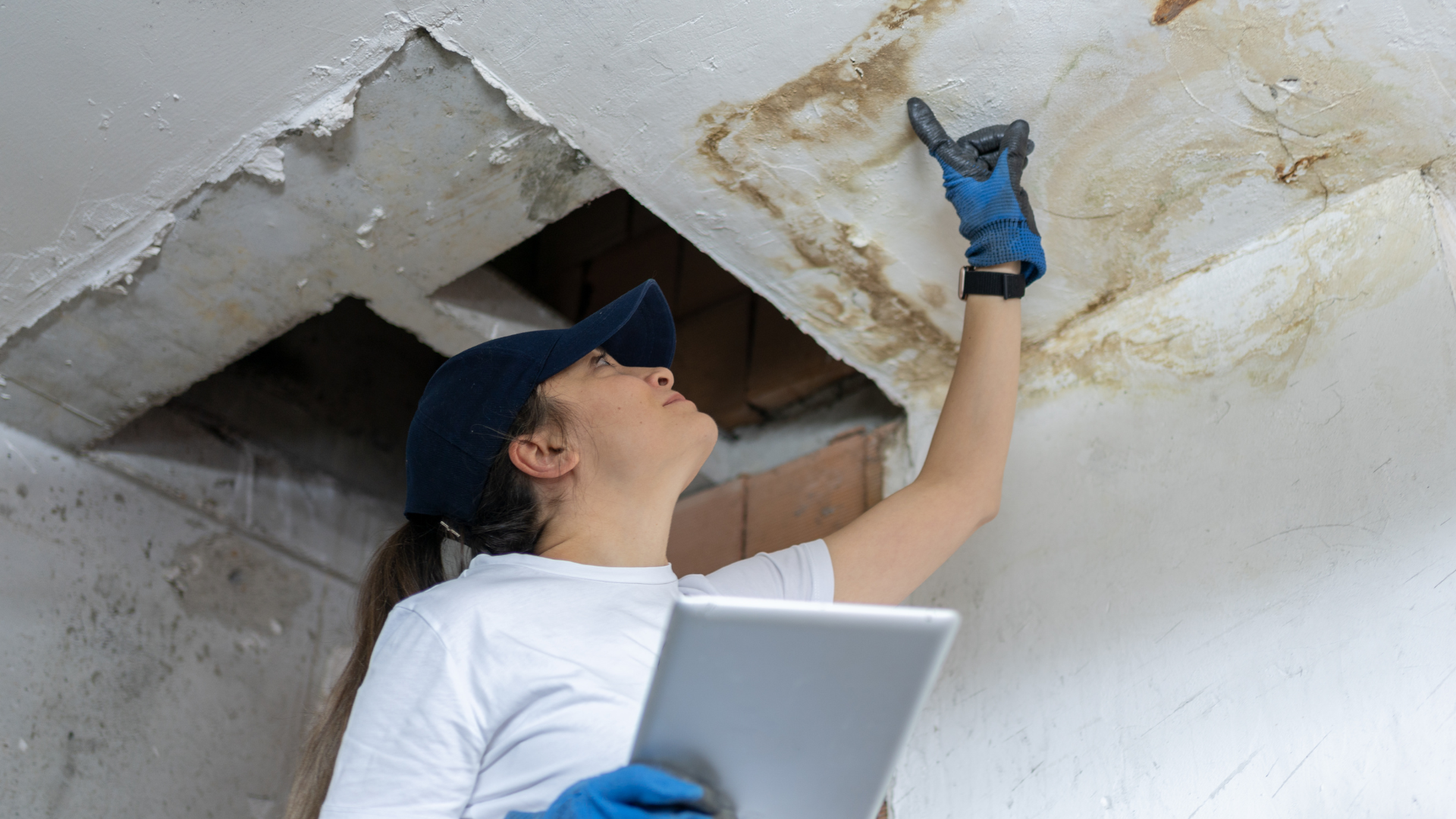
Deferred maintenance is tempting when budgets are tight. It’s easy to think, “We’ll patch the roof next year,” or “Let’s wait one more season before repainting.” But in Florida, small problems rarely stay small. When boards delay repairs, costs rise quickly. Labor and materials rarely get cheaper, and the damage often spreads — a minor roof leak can turn into mold remediation, damaged drywall, and even structural repairs.
Insurance risk also grows when maintenance is ignored. Insurers may raise premiums or deny claims if they find that a board failed to address known issues. In some cases, deferred maintenance can even lead to lawsuits from owners who see their property values drop or who suffer damage because the board didn’t act.
What preventive maintenance actually looks like
Preventive maintenance is not just about fixing things when they break. It’s about creating a schedule for recurring tasks — pressure washing, sealant checks, HVAC servicing, roof inspections, waterproofing, and more — and sticking to it. This approach keeps building systems stable, extends the useful life of major components, and protects the long-term value of the property.
A good preventive maintenance plan starts with a map of all major systems and components: roofing, plumbing, elevators, concrete, stairwells, paint, pool systems, and structural elements. Boards should list projects by urgency, safety impact, cost, and seasonal timing. This helps prevent emergency repairs, avoids budget shock, and keeps improvements on schedule instead of reactive.
Standardizing how vendors are selected, documented, and reviewed is also key. Collect bids the same way, confirm licensing and insurance, and document decisions to avoid owner disputes or accusations of favoritism.
The hidden costs of deferred maintenance
When boards defer maintenance, they may avoid spending money in the short term, but the long-term costs are almost always higher. Here’s why:
- Incremental cost increases: Labor and materials tend to get more expensive every year. Waiting even one season can mean paying more for the same repair.
- Compounding damage: Small issues — like a cracked walkway or a minor leak — can escalate into major repairs if left unaddressed. For example, a neglected roof can start leaking, leading to water damage, mold, and even structural problems.
- Insurance and liability: Insurers may deny claims or raise premiums if they determine that damage resulted from deferred maintenance. Boards can also face legal claims from owners if neglect leads to property damage or safety hazards.
- Loss of property value: Poorly maintained common areas drag down curb appeal and property values, making it harder for owners to sell their homes competitively.
Legal and fiduciary risks for Florida boards
Florida law expects boards to act in the best interests of the association. That includes maintaining the property and protecting owners’ investments. Deferring necessary maintenance for too long can become a breach of fiduciary duty. Boards that ignore warning signs or fail to act on known issues may find themselves facing regulatory scrutiny or lawsuits from owners.
Recent changes in Florida law have only raised the stakes. New requirements for reserve funding, transparency, and safety inspections mean boards must be more proactive than ever. Failing to keep up with these obligations can lead to fines, forced repairs, or even state intervention.
Florida’s SB 4-D and related statutes now require milestone inspections and structural integrity reserve studies for many condo buildings. Boards that ignore these requirements risk not only financial penalties but also the safety of residents.
How to build a preventive maintenance culture
1.
Create an annual maintenance map: List all major systems and schedule inspections and routine tasks throughout the year. Prioritize by urgency, safety, and cost.
2.
Track recurring tasks: Use a calendar or software to ensure nothing falls through the cracks — from HVAC filter changes to elevator inspections and pool maintenance.
3.
Educate owners: Let residents know when maintenance is happening, why it matters, and how it affects them. Regular updates foster trust and encourage cooperation.
4.
Review and update budgets: Make sure reserve funding matches the actual needs of aging buildings. Adjust as necessary to anticipate high-cost items before they become urgent.
5.
Document everything: Keep records of inspections, repairs, and vendor selection. This protects the board if questions or disputes arise later.