Navigating a post-hurricane insurance claim is one of the most complex and high-stakes tasks a Florida board will ever face — here's how to do it without leaving money on the table.
The first hours: safety, documentation, and immediate action
When the winds die down and the water recedes, the real work for your board begins. Before anyone starts repairs or cleanup, document everything. Take photos and videos of all visible damage — roofs, windows, landscaping, common areas, and any affected units. This record will be the backbone of your insurance claim.
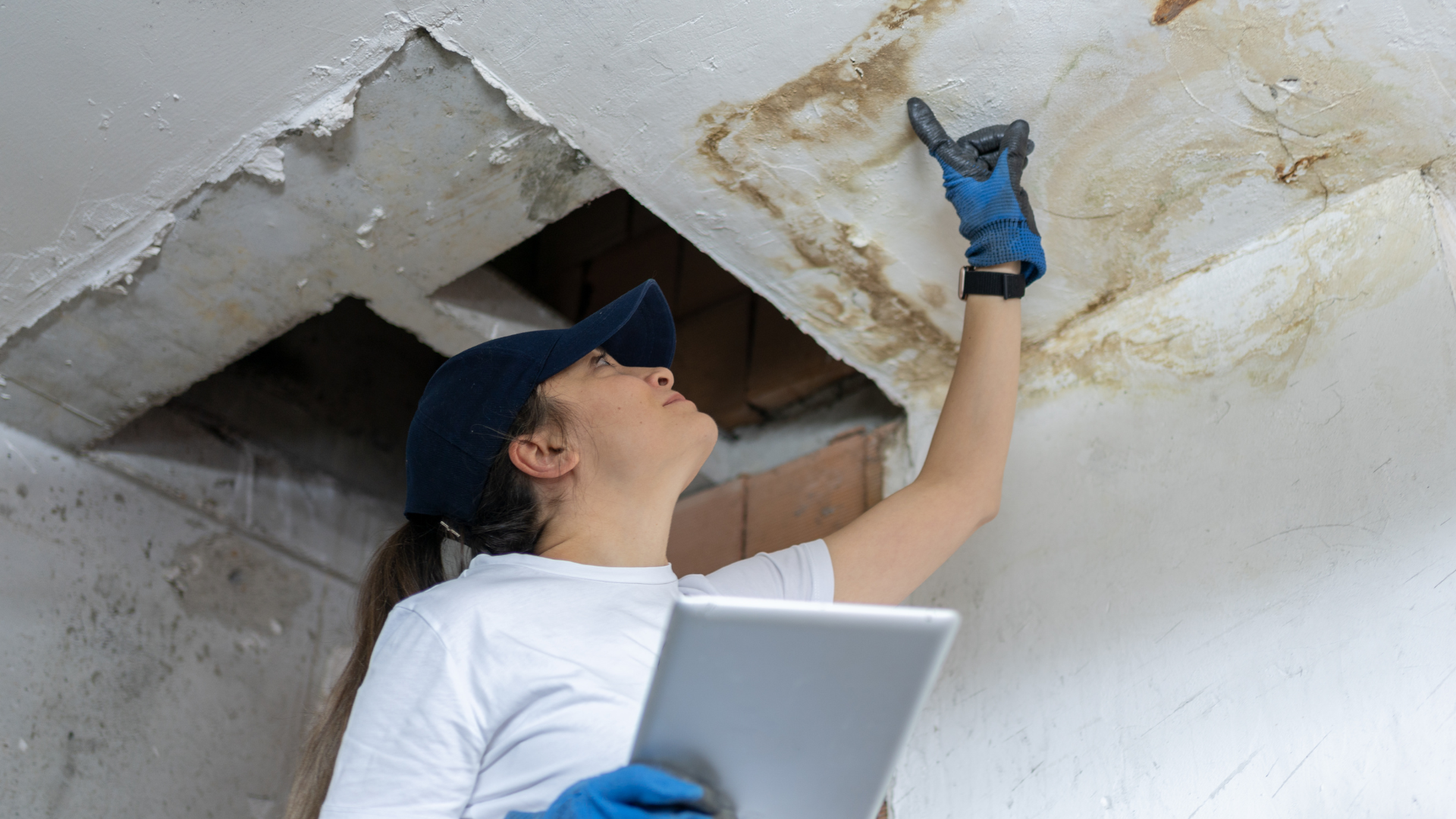
If the property is unsafe, restrict access until a professional can assess the situation. Safety comes first, but don’t delay documentation. Mold can develop within 24 to 48 hours, so move quickly to record water damage and begin mitigation steps once it’s safe to do so.
Contact your insurance provider as soon as possible. Most policies require “timely notice” or “reasonable notice” after a casualty event. Don’t wait for a full damage assessment before notifying your carrier — the clock starts ticking the moment the storm passes.
If you hire cleanup or repair contractors, check their references and qualifications. Keep receipts for every expense related to emergency repairs, mitigation, and temporary protection of property. These costs may be reimbursable under your policy.
Professional inspections: why you need an expert’s report
Insurance carriers expect a thorough, professional assessment of hurricane damage. Boards should engage a licensed engineer, contractor, or construction professional to inspect the property and provide a written report. This report should outline all observed damage, including less obvious issues like roof leaks, window failures, or structural concerns.
A professional inspection can uncover damage that isn’t immediately visible — and that might otherwise be missed in your claim. Even if the inspector’s initial findings are verbal, you should file a claim if you believe your community suffered hurricane damage. Waiting for a written report is not required to start the process, but you’ll need documentation to support your claim as it moves forward.
Filing the claim: notice, cooperation, and what to expect
Once you’ve notified your insurer, expect a multi-step process. The carrier will likely send adjusters and experts to inspect the property. They may request access to common areas and individual units, so coordinate with residents to ensure timely entry.
Be prepared to provide a range of documents: repair and maintenance records, meeting minutes, financial statements, and any other records that establish the property’s condition before the storm. The insurer uses these to determine what damage is storm-related and what may be pre-existing.
Your policy requires you to cooperate fully with the investigation. This can include site inspections, document requests, examinations under oath, and sworn statements in proof of loss. Failing to cooperate can jeopardize your claim.
Remember, simply telling your insurance agent about the damage is not enough. You must follow the formal notice and documentation procedures outlined in your policy.
Carrier investigations: managing the process and protecting your interests
The insurance company’s investigation can be extensive. Their representatives may want to inspect every part of the property, including inside units. They’ll look for evidence of storm damage, but also for signs of deferred maintenance or pre-existing issues.
It’s in your board’s interest to be organized and transparent. Provide requested documents promptly, but keep a record of everything you send. If the carrier’s adjuster disputes the extent of damage or the cause, consider bringing in your own expert for a second opinion.
Throughout the process, keep detailed notes of all communications with the insurer, contractors, and residents. If you receive requests for sworn statements or examinations under oath, consult with your association’s attorney before proceeding.
If you’re unsure about any part of the process, seek professional guidance. The stakes are high, and mistakes can cost your association real money.
Updated insurance standards: what Florida law now requires
Recent changes in Florida law have raised the bar for insurance coverage and claims management. Associations must now calculate replacement costs and windstorm exposure based on a 250-year event, using independently prepared appraisals updated every three years.
This means your board needs to be proactive about insurance valuations — not just at renewal, but after every major storm. Underinsuring the property can leave your community exposed to uncovered losses.
If your association’s governing documents allow, you can now use loans or lines of credit to fund repairs while waiting for insurance proceeds. This flexibility can be a lifeline for communities facing urgent repairs and slow claim settlements.
Communication: keeping residents informed and engaged
A hurricane claim isn’t just a board issue — it affects every owner. Communicate early and often with residents about the status of the claim, the steps being taken, and what to expect next.
Share disaster relief information, emergency contacts, and updates on repairs. If access to units is needed for inspections, coordinate with residents and explain why it’s necessary.
Transparency builds trust and helps manage expectations, especially if repairs are delayed or insurance disputes arise.
Keep a record of all communications, and consider distributing physical copies of key information in case digital channels are down.