

Preventing Pests Before They Nest: Proactive Fall Pest Control for Common Areas

Armando Palacios • July 30, 2025

Share this article

Be Prepared
If you’re not already thinking about pest control this fall, now’s the time to get ahead of it. Don’t wait until residents start seeing rodents or wasps in the clubhouse— schedule a maintenance assessment today and keep your community protected.

Why Fall Pest Prevention Matters

Fall may feel like a welcome break from the relentless heat of summer, but for pests, it's moving season. As the temperature drops, rodents, cockroaches, ants, and other unwelcome guests start looking for warm, safe shelter—and your common areas are prime real estate.

If your association hasn’t already taken proactive steps, you’re not alone. We see it all the time: boards prioritize landscaping, amenities, or budget season prep, and pest prevention gets bumped down the list. But when the first signs of infestation appear, costs rise and resident complaints roll in. And in shared spaces—clubhouses, laundry rooms, storage units, pool decks—it doesn’t take long for a small pest issue to escalate into a much bigger one.

Common Culprits in Florida and Beyond

No matter where your community is located, fall pests tend to follow patterns. In Florida and other warm, humid climates, the transition to fall may not seem dramatic, but it's enough of a shift to change pest behavior.

Here are a few usual suspects that love to cozy up in HOAs and condominiums come autumn:

  • Rodents (mice, rats): Especially common around dumpsters, garages, and attic spaces.

  • Cockroaches : They love moisture and warmth. Common in pool houses, laundry rooms, and behind appliances.

  • Ants : Often move indoors looking for food and nesting spots.

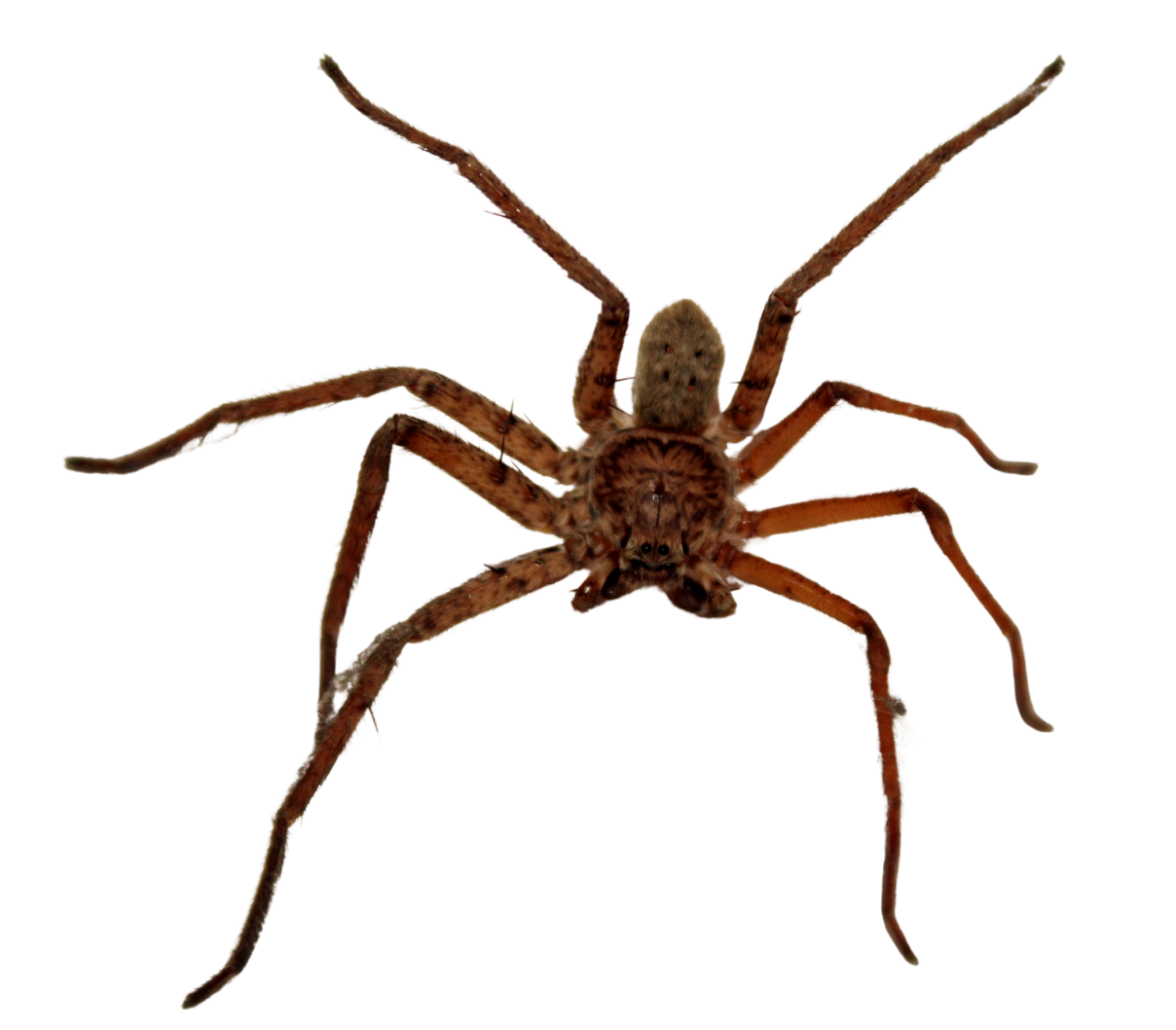
  • Spiders and wasps : Nesting in eaves, mailboxes, utility sheds.

  • Silverfish and earwigs : Found in damp areas like basements, utility closets, and storage units.

Want to see what pests are common in your area? The National Pest Management Association’s PestWorld has a great interactive tool to help identify region-specific threats.

What Boards Can Do (Right Now)

Here’s the good news: fall pest control doesn’t have to be expensive or time-consuming. Small steps now can prevent larger (and more expensive) problems down the road. We always recommend a layered approach that includes:

1. Partnering with a Professional

Don’t rely on “spot treatments” or ad hoc spraying. Work with a licensed pest control vendor who understands community living and will inspect common areas regularly. Bonus points if they can educate residents and staff on prevention tips too. You can check this Florida Department of Agriculture list of certified applicators to make sure you’re choosing a properly licensed provider.

2. Sealing Entry Points

Have your maintenance team do a walkthrough and look for cracks, torn screens, warped doors, or unsealed pipe entries. Pests only need the tiniest of gaps. Even garage doors that don’t fully seal can be an open invitation.

3. Cleaning and Clearing

Keep dumpsters away from buildings if possible, and schedule regular bulk pick-ups. Make sure landscaping is trimmed back from walls and roofs—overgrown shrubs are highways for pests. The University of Florida IFAS Extension offers great tips on pest-proof landscaping.

4. Educating Residents

Remind homeowners and tenants not to leave food outside (including pet bowls), to report sightings, and to close doors behind them. Clear signage in shared areas can help reinforce the message without seeming accusatory.

5. Maintaining Amenities

Make sure pool bathrooms are cleaned often, HVAC systems aren’t leaking, and clubhouse kitchens are properly sealed and ventilated. Even storage units should be checked for water damage, mold, and dropped food items.

The Cost of Ignoring It

Let’s be honest: it’s easy to push this to next quarter. But if pest control is always reactive, your board will spend more over time—often dealing with resident frustration, surprise repairs, or even health code violations.

We’ve seen cases where:

  • Rodents chewed through wires in a shared laundry room, causing fire risks and outages.

  • Cockroaches were found nesting behind vending machines in a clubhouse.

  • A wasp nest near a community mailbox caused multiple resident stings.

  • An ant infestation damaged landscaping lighting wiring.

All preventable—and all avoidable with a little pre-planning.

Budget-Friendly Pest Control Planning

As you finalize your next annual budget, don’t forget to include line items for:

  • Preventive pest control contracts

  • Emergency or one-off treatment reserves

  • Seasonal maintenance walk-throughs

  • Pest-related landscaping upkeep (e.g., tree trimming)

The CDC also recommends long-term planning and documentation for pest-related health risks, especially in shared housing communities.

Want help putting together a fall pest plan for your association? Let’s schedule a consultation with a certified pest management vendor in your area.

Fall Pest Prevention by Property Type

No two communities are exactly alike—and that means your pest control strategy shouldn’t be either. What works for a high-rise condo in Tampa might not cut it for a large HOA with sprawling green space in Sarasota. The layout, location, and amenities of your property all play a role in what kinds of pests you’re likely to face, and how to keep them out.

Here’s a snapshot of common property types and the pest prevention steps that work best for each:

  • Condos with indoor amenities:
    Think clubhouses, fitness centers, and laundry rooms. These spaces are magnets for roaches, rodents, and silverfish. Make sure doors seal properly, HVAC closets are serviced regularly, and any plumbing leaks are addressed fast.

  • Coastal communities:
    Florida’s humidity is great for vacations—and unfortunately, also for ants, rodents, and moisture-loving insects. Crawl spaces should be pest-proofed, and HVAC systems protected against nesting critters or water intrusion.

  • HOAs with lakes, ponds, or large greenbelts:
    Standing water invites mosquitoes, and overgrown landscaping can harbor rodents. Keep foliage trimmed, maintain drainage systems, and consider larvicide treatments to reduce breeding grounds.

  • Communities with outdoor trash areas or dumpsters:
    These can be hotspots for rats, raccoons, and flies. Install tight-fitting bin lids or locks, and if possible, relocate dumpsters away from building entrances and gathering spaces.

Keep It Consistent

We can’t stress this enough: consistency is key. Pest management is not a one-and-done solution. It’s a cycle of inspection, prevention, education, and documentation. And it pays off.

Ask your pest control partner for seasonal reports or logs showing what’s been treated and when. Use this data to make smart decisions next year. If you switch vendors, you’ll have a clear paper trail of what’s been done.

For communities that are self-managed, consider checking out templates and resources like MyFloridaLicense.com to help stay compliant with state rules about chemical treatments and vendor usage.

Call to Action (Final):
Not sure where to start? Whether you're reviewing your contract, creating a fall maintenance checklist, or need help coordinating services, we’re here to help. Let’s build a pest prevention strategy that works for your community.

FAQs

1. What’s the most common pest in fall?
Rodents tend to be the most problematic as they look for warm shelter.

2. Do I need a pest control plan if we’re not near water or woods?
Yes. Pests invade for warmth, food, and moisture—not just proximity to nature.

3. Should pest control be done monthly?
In most communities, quarterly preventive treatment is sufficient unless there’s an infestation.

4. Who pays for pest control in common areas—owners or the association?
The association typically handles pest control in shared spaces. Unit-level pest issues may vary by governing documents.

5. Can we use in-house staff instead of hiring a pest control company?
Not unless they’re licensed. Most states require certification to apply chemical treatments.

6. Are there eco-friendly pest control options?
Yes! Many vendors offer Integrated Pest Management (IPM) services that reduce chemical use. Learn more here.

7. What pests are dangerous to residents?
Rats (disease risk), wasps (stings/allergies), and roaches (asthma triggers) are all health hazards.

8. How do we respond to a resident complaint about pests?
Investigate immediately, document the issue, notify your pest vendor, and communicate follow-up steps.

9. Can weather changes really increase pest activity?
Absolutely. Cooler weather drives pests indoors seeking warmth and food.

10. What if our board can’t agree on spending money on this?
Remind them that reactive costs (repairs, emergency treatments, legal risk) are almost always higher than preventive contracts.

Recent Posts

April 2, 2026
While the 2026 session did not introduce major new requirements, this does not signal a reduced focus on community association governance. Instead, it reflects a pause following several years of significant legislative change, as many of those reforms—particularly in condominium safety, financial transparency, and gove

April 2, 2026
It is important to recognize a common human tendency that applies to all of us, including board members: we are not always fully aware of how our actions are experienced by others. From the board’s perspective, decisions may feel thoughtful, reasonable, and well-intended.

By Jane Yu April 2, 2026
Board News & Education - April 2026
April 1, 2026
Understanding the importance of great communication in association management. By creating a simple, repeatable plan that ensures communication is consistent, meaningful, and aligned with how the association operates.

By Doug Jenkins April 1, 2026
Understanding the importance of great communication in association management. A working session between the board and management to define how communication will function is key. In that meeting, create a simple, repeatable plan that ensures communication is consistent, meaningful, and aligned with how the association

By Doug Milnor March 20, 2026
Strong community governance is not defined by the speed of a decision, but by the transparency and discipline of the process that produces it.

By Jane Yu March 2, 2026
Board News & Education - MARCH 2026
By Doug Jenkins February 10, 2026
Florida’s Marketable Record Title Act (MRTA), Chapter 712, Florida Statutes, extinguishes old covenants and restrictions after 30 years — unless these HOA governing docs are properly preserved. 

February 4, 2026
For understanding HOA Pet Rules: Start by thoroughly reading your HOA’s governing documents. This will give you a clear picture of what is expected.

By Jane Yu February 2, 2026
Board News & Education - FEB 2026