


Florida’s HB 913: What Every Condo Board Needs to Know

Armando Palacios • July 16, 2025

Share this article

Why HB 913 Matters for Your Community

If you’ve been on a condominium board in Florida over the last few years, you know how intense compliance has been since the Surfside collapse in 2021. Laws rolled out quickly, reserve requirements became strict, and deadlines left boards scrambling to find money for safety mandates. Many owners were blindsided by huge assessments, and some communities even faced foreclosure threats. That’s where Florida’s new House Bill 913 comes in—it’s a reset button designed to keep buildings safe while giving boards and owners much-needed breathing room.

Governor Ron DeSantis signed HB 913 into law on June 23, 2025, and it officially goes into effect July 1, 2025. You can see the full text of the bill on the Florida Senate site. Let’s break down what’s changing, what stays the same, and what your board should be doing now to prepare.

Big Changes to Reserve Requirements

One of the biggest stress points for boards in recent years has been funding reserves for major structural repairs. Under HB 913, there’s now flexibility. Associations have until December 31, 2025 , to complete their required Structural Integrity Reserve Study (SIRS). Even better, if your milestone inspection recommends urgent repairs, the board can vote—with owner approval—to pause reserve contributions for up to two consecutive annual budgets. That option never existed before, and it could mean the difference between manageable repairs and overwhelming financial strain for owners.

For more details on what’s required for a SIRS, visit the official DBPR guidelines for condo associations.

Raising the Repair Threshold

Another major shift is the cost threshold for what qualifies as a reserve item. Previously, any item over $10,000 had to be included in your reserve planning. HB 913 bumps that up to $25,000 , with annual adjustments for inflation. For boards, this means fewer minor repairs will trigger reserve requirements, letting you focus on major structural needs instead of smaller projects that don’t impact safety.

New Transparency Requirements

Transparency just got a whole lot more important. Starting October 1, 2025 , all condo associations must register online with Florida’s Division of Condominiums. The registration includes details like your board contact info, building age, inspection dates, and reserve funding status. Associations have to keep this information updated within 30 days of any changes. This database will be available to residents and state regulators alike, creating more accountability across the board. To start planning, visit the Florida DBPR website.

Virtual Meetings and Electronic Voting Are Here to Stay

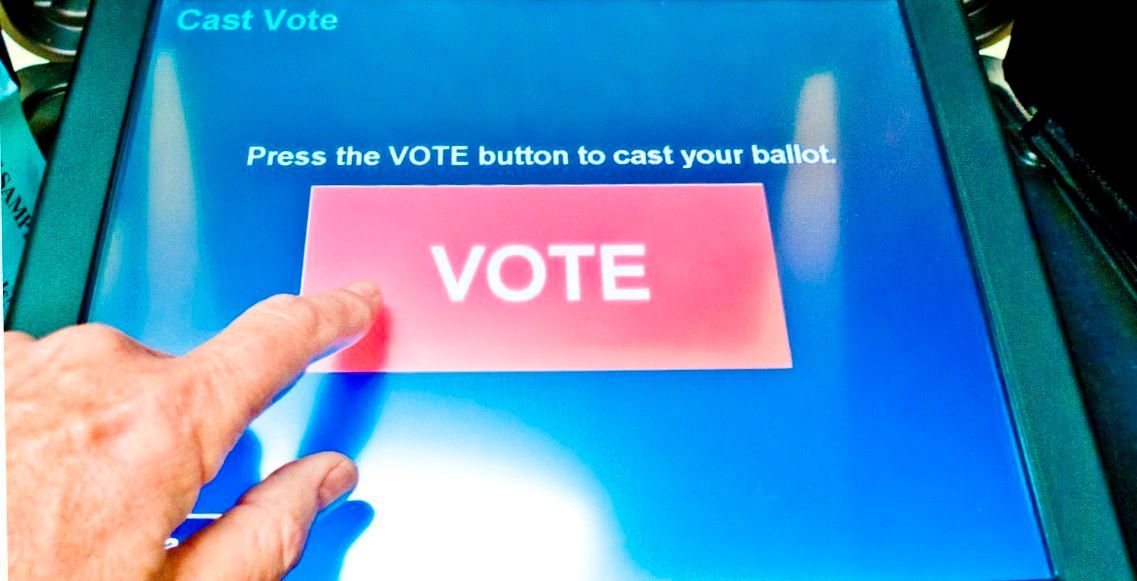
Another big update is the official approval of electronic voting and remote meeting participation. If 25% of your owners request it, your board must enable e-voting within 21 days. Virtual attendance now counts toward quorum requirements, provided participants can hear and be heard throughout the meeting. For boards managing seasonal residents or snowbirds, this is a huge improvement for engagement. The Florida Senate’s bill summary page explains these details clearly.

Extended Buyer Review Periods

If you’ve ever sold a condo unit in Florida, you know how quickly deals can move. HB 913 extends the time buyers have to review your association’s financials and budgets from three days to seven days. This gives buyers more confidence in their purchase and protects your board by ensuring financial transparency during sales. This update is especially important for communities still tackling big repairs or special assessments. For more on real estate disclosure requirements, check out Florida Housing.

Emergency Evacuation Powers

Hurricanes are a fact of life in Florida, and boards have often faced tough calls during emergencies. Under HB 913, boards now have clear authority to order evacuations in declared emergencies. If a resident refuses to leave after an official order, the association isn’t liable for what happens next. This gives boards legal backing to prioritize safety without fear of lawsuits. The Governor’s official announcement is available on flgov.com.

Stricter Rules for Management Accountability

The bill also strengthens accountability for professional managers. If a community association manager’s license is revoked by the state, that person is prohibited from working in or owning a management company for 10 years. This is a big win for ethical governance and helps boards ensure they’re working with trusted professionals. You can verify CAM licenses through the DBPR license portal.

Updated Insurance Valuation Standards

Another big change involves insurance requirements. Associations now need to calculate replacement costs and windstorm exposure based on a 250-year event using independently prepared appraisals updated every three years. It may increase premiums for some coastal communities, but it ensures accurate coverage and reduces the risk of being underinsured. Learn more about insurance regulation updates from the Florida Office of Insurance Regulation.

New Funding Options for Repairs

HB 913 also gives boards more flexibility in how they finance structural repairs. Associations can now use loans or lines of credit to fund required projects, as long as their governing documents allow it. This is a huge relief for communities that don’t have deep reserves but need to complete critical work fast. For financial planning tools, you can review resources provided by Florida Housing.

How Condominium Associates Can Help You Stay Ahead

Change can feel overwhelming, but you don’t have to navigate HB 913 alone. At Condominium Associates, we’re already helping boards adjust their budgets, prepare their reserve studies, and implement electronic voting systems. We’ll also make sure your team understands the new compliance requirements and deadlines so you’re never caught off guard.

Call to Action:
Need an expert partner to help your board manage HB 913 changes? Contact Condominium Associates today for a free consultation.

Frequently Asked Questions About HB 913

What is HB 913 and when does it start?
It’s Florida’s new condo reform law, signed in June 2025 and effective July 1, 2025.

Do we still have to complete a Structural Integrity Reserve Study?
Yes, for any building three stories or taller. The deadline is December 31, 2025.

Can boards pause reserve contributions?
Yes, if the owners approve and repairs are identified in a milestone inspection, contributions can pause for up to two years.

Are virtual meetings allowed now?
Yes, and participants count toward quorum if they can hear and be heard.

What do we need to file with the state?
Board contact info, inspection dates, building age, and reserve status must be submitted online by October 1, 2025.

How much time do buyers get to review condo documents now?
Seven days, instead of three, for resale transactions.

What happens if a manager loses their license?
They can’t work in or own a management firm for 10 years.

What’s the new threshold for reserve planning?
Repairs over $25,000 now qualify, up from $10,000.

Can associations borrow money for reserves?
Yes, loans and credit lines are now allowed if your documents permit it.

Where can I read the bill?
You can review the official text on the Florida Senate site.

Final Call to Action:
Don’t wait until the deadline hits—let’s make sure your association is ready for these new rules. Contact Condominium Associates today to schedule your HB 913 compliance review.

Recent Posts

April 2, 2026
While the 2026 session did not introduce major new requirements, this does not signal a reduced focus on community association governance. Instead, it reflects a pause following several years of significant legislative change, as many of those reforms—particularly in condominium safety, financial transparency, and gove

April 2, 2026
It is important to recognize a common human tendency that applies to all of us, including board members: we are not always fully aware of how our actions are experienced by others. From the board’s perspective, decisions may feel thoughtful, reasonable, and well-intended.

By Jane Yu April 2, 2026
Board News & Education - April 2026
April 1, 2026
Understanding the importance of great communication in association management. By creating a simple, repeatable plan that ensures communication is consistent, meaningful, and aligned with how the association operates.

By Doug Jenkins April 1, 2026
Understanding the importance of great communication in association management. A working session between the board and management to define how communication will function is key. In that meeting, create a simple, repeatable plan that ensures communication is consistent, meaningful, and aligned with how the association

By Doug Milnor March 20, 2026
Strong community governance is not defined by the speed of a decision, but by the transparency and discipline of the process that produces it.

By Jane Yu March 2, 2026
Board News & Education - MARCH 2026
By Doug Jenkins February 10, 2026
Florida’s Marketable Record Title Act (MRTA), Chapter 712, Florida Statutes, extinguishes old covenants and restrictions after 30 years — unless these HOA governing docs are properly preserved. 

February 4, 2026
For understanding HOA Pet Rules: Start by thoroughly reading your HOA’s governing documents. This will give you a clear picture of what is expected.

By Jane Yu February 2, 2026
Board News & Education - FEB 2026