

How Do Condo Associations Handle Regular Maintenance Costs?

Armando Palacios • September 16, 2024

Share this article

Owning a condo has its perks—shared amenities like a sparkling pool, well-kept landscaping, and maybe even a gym, all without lifting a finger. But have you ever stopped to think about how all those maintenance tasks get paid for? Let’s dive into how your condo association manages these costs, keeping everything running smoothly behind the scenes.

Your Monthly HOA Fees: Where the Money Goes

Those monthly HOA fees you pay aren’t just random charges; they’re a crucial part of how your condo community stays in tip-top shape. Think of your HOA fees as a shared investment in your property’s upkeep. Every unit owner contributes, and those funds get pooled together to cover the costs of maintaining the community. This includes everything from mowing the lawns to fixing that leaky roof.

Your fees are based on a budget that your condo’s board of directors carefully plans out each year. They consider what it takes to keep things running smoothly—whether it’s routine tasks or those bigger, once-in-a-while projects. Curious about what your HOA fees cover? Here’s a great read that might answer some of your questions.

Pen pointing at printed financial document with red “Fees” text

Understanding the Budget: Operating Funds vs. Reserve Funds

So, where exactly does your money go? The condo association’s budget is generally split into two main parts: the operating fund and the reserve fund.

The Operating Fund is the go-to account for everyday expenses—think of it as the association’s checking account. This fund covers regular, predictable costs like landscaping, cleaning common areas, paying utility bills, and taking care of small repairs. It’s all about keeping the day-to-day operations running smoothly. Need more details? Here’s a deeper dive into what an operating fund covers.

On the other hand, the Reserve Fund is like the association’s savings account. This fund is set aside for bigger, less frequent expenses, such as repaving the parking lot, replacing the roof, or upgrading old systems like HVAC. It’s money saved for a rainy day—literally, in some cases! Associations are legally required to maintain a reserve fund, ensuring there’s money available when those big-ticket items need attention. Want to know why a healthy reserve fund is so important? This resource explains it well.

Man reviewing documents at a desk in a bright office, with papers, folders, and a computer monitor nearby.

Homeowner reviewing a special assessment notice, concerned about unexpected condominium expenses.

When Surprises Happen: Special Assessments

Now, what happens if something unexpected comes up and there isn’t enough money in the operating or reserve funds to cover it? Enter the Special Assessment. Sometimes, despite the best planning, unexpected repairs or improvements are necessary, and the regular budget just can’t handle it. When this happens, the board may need to ask owners to chip in a bit extra through a special assessment. While these aren’t exactly anyone’s favorite solution, they’re sometimes the only way to keep the community in good shape. Want to learn more about special assessments and how they work? Here’s a guide that breaks it all down.

Keeping Things Transparent

The best way to keep everyone happy and the community running smoothly is through careful planning and clear communication. The board of directors works closely with property managers and financial experts to create a budget that’s realistic and sufficient. Every year, they review this budget and make adjustments as needed to cover all anticipated costs.

But it’s not just about numbers—it’s also about keeping you in the loop. Transparency is key. Regular financial reports and open meetings help everyone understand where the money is going and why certain decisions are made. After all, it’s your money, and you have a right to know how it’s being used. For more on how to create an HOA budget or the importance of financial transparency, check out these links: HOA Budget and Financial Transparency.

Avoiding Financial Pitfalls

To avoid financial headaches down the road, it’s crucial to keep that reserve fund well-stocked. Underfunded reserves can lead to more frequent and larger special assessments, which nobody wants. That’s why regular Reserve Studies—basically checkups on how much money should be in the reserve fund—are a smart move. These studies help ensure that the association is prepared for those bigger expenses without needing to hit owners with surprise costs. Curious about what a reserve study is and how often it should be done? This guide has all the details.

Wrapping It Up

Keeping a condo community in good shape isn’t cheap, but with smart planning and responsible management, your condo association can cover maintenance costs without too much hassle. By paying your HOA fees, staying informed, and getting involved in community decisions, you’re helping to protect your investment and ensure that your community remains a great place to live. After all, a well-maintained property isn’t just about aesthetics—it’s about maintaining the value and quality of your home.

Got questions about how your fees are being used or how the budget is managed? Don’t hesitate to reach out to your board or property manager. Being informed and engaged is the best way to keep your community thriving.

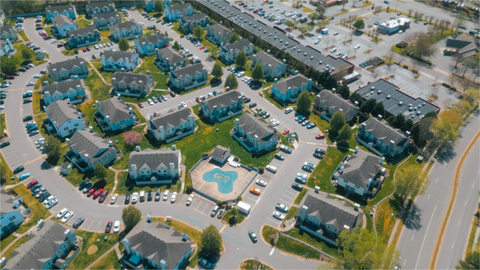
Aerial view of a suburban apartment complex with parking lots, trees, and nearby roads

Ready to take your community’s management to the next level?  If you’re looking for a trusted partner to help your condo association manage maintenance costs effectively, we’re here to help. Contact us today to request a proposal  and discover how our tailored solutions can meet your community’s unique needs. Let’s work together to ensure your property remains a place you’re proud to call home.

This blog is crafted to help board members and condo owners better understand how regular maintenance costs are handled in a condominium association. If you found this helpful, be sure to explore our other posts on association management best practices!

Recent Posts

Lawyers reviewing documents at a desk with a gavel in the foreground
By Doug Jenkins April 2, 2026
While the 2026 session did not introduce major new requirements, this does not signal a reduced focus on community association governance. Instead, it reflects a pause following several years of significant legislative change, as many of those reforms—particularly in condominium safety, financial transparency, and gove

Team meeting around a laptop at a wooden table in a bright office with papers and notes
By Doug Jenkins April 2, 2026
It is important to recognize a common human tendency that applies to all of us, including board members: we are not always fully aware of how our actions are experienced by others. From the board’s perspective, decisions may feel thoughtful, reasonable, and well-intended.

By Jane Yu April 2, 2026
Board News & Education - April 2026
Five coworkers gathered around a laptop, discussing something in a bright office.
By Doug Jenkins April 1, 2026
Understanding the importance of great communication in association management. By creating a simple, repeatable plan that ensures communication is consistent, meaningful, and aligned with how the association operates.

Five coworkers gathered around a laptop in a bright office, collaborating and discussing work.
By Doug Jenkins April 1, 2026
Understanding the importance of great communication in association management. A working session between the board and management to define how communication will function is key. In that meeting, create a simple, repeatable plan that ensures communication is consistent, meaningful, and aligned with how the association

People taking notes at a sunlit wooden conference table during a meeting
By Doug Jenkins March 20, 2026
Understand how Florida HOA boards should conduct meetings & delegate financial authority. Ensure transparency & compliance with state laws.

Business meeting with five people around a conference table, smiling and discussing documents in a bright office.
By Doug Jenkins March 2, 2026
March is a great time to focus on community association board meetings and decision making, especially actions that can occur outside a meeting versus those that must take place in a properly noticed meeting.

Aerial view of a suburban neighborhood with red-roofed houses, trees, and a roundabout intersection.
By Doug Jenkins February 10, 2026
Florida’s Marketable Record Title Act (MRTA), Chapter 712, Florida Statutes, extinguishes old covenants and restrictions after 30 years — unless these HOA governing docs are properly preserved. 

Small black, white, and brown puppy sitting on green grass wearing a blue harness
By Doug Jenkins February 4, 2026
For understanding HOA Pet Rules: Start by thoroughly reading your HOA’s governing documents. This will give you a clear picture of what is expected.

By Jane Yu February 2, 2026
Board News & Education - FEB 2026