


Understanding the Importance of Reserves for Your Condo or HOA in 2024

Armando Palacios • October 16, 2024

Share this article

As a board member of a condominium or homeowners association (HOA), managing your community’s reserve funds is a critical task. Reserves are your association’s financial safety net, set aside for future repairs and replacements. In 2024, with new Florida laws tightening regulations around reserve funds, having a solid financial plan in place has never been more important. This blog will guide you through what reserve funds are, why they’re essential, and how Condominium Associates can help ensure your reserves are ready for future needs.

What Are Reserve Funds?

A reserve fund is a dedicated savings account your association uses to pay for major repairs or replacements that don’t happen annually. Common expenses covered by reserve funds include but are not limited to:

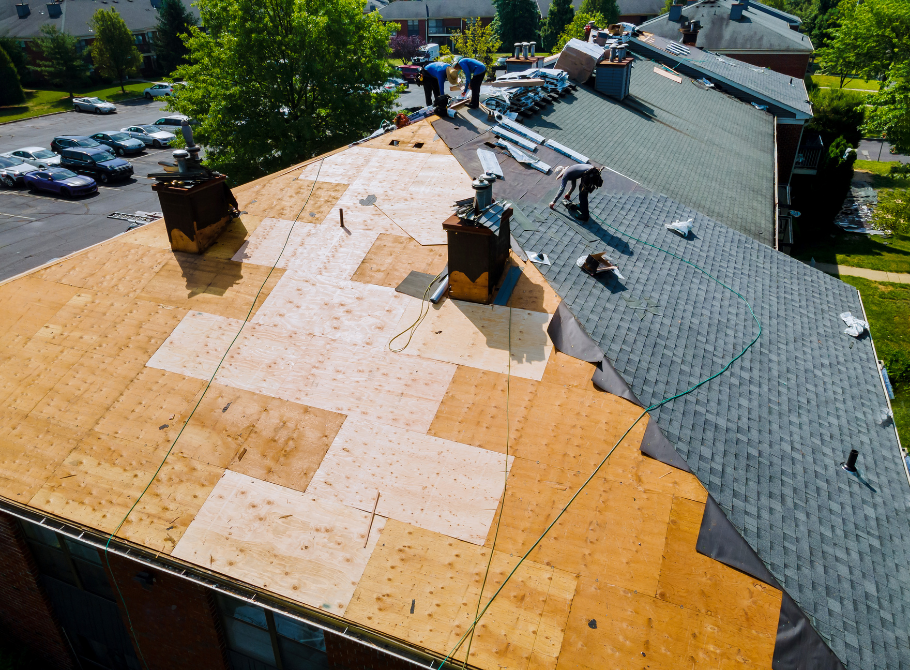
  • Roof replacements

  • Elevator repairs

  • Road and parking lot resurfacing

  • Pool renovations

If you live in a condominium which is 3 stories in height or higher, there is a list of additional items you must reserve for that cannot be waived. One of the first things you should have done is arrange to have a Structural Integrity Reserve Study (SIRS). If your building is 3 stories or higher and you have not completed the SIRS, you must prepare to have one done as soon as possible.

Without adequate reserves, special assessments may need to be issued to pay for needed repairs to your association’s infrastructure. Proper reserve planning spreads these costs over time, preventing financial strain on residents and keeping the community in good condition.

Modern high-rise apartment towers with palm trees and landscaped walkways in a sunny urban neighborhood

Why Reserve Funds Matter For Property Values

It’s a proven fact that having well-maintained reserves not only protects against financial surprises and helps maintain or increase property values. Homes in communities with healthy reserves tend to attract more qualified buyers, as they feel confident that major repairs won’t result in large assessments down the road. Neglecting reserves, on the other hand, can lead to delayed repairs, making the community less attractive to potential homeowners.

Florida's 2024 Reserve Fund Requirements: What You Need to Know

Recent changes in Florida state law have made reserves more important than ever, especially after the tragic collapse of Champlain Towers South in 2021. These new regulations are designed to ensure that buildings remain safe and well-maintained. Here’s a breakdown of the new requirements:

Mandatory Building Inspections

Condo buildings over three stories must now undergo structural inspections every 10 years. These inspections check for critical issues before they escalate into dangerous situations. Buildings over 30 years old need to complete their first inspection by December 31, 2024 ( Warren Averett on new building and reserve requirements ).

Reserve Studies Required By Law

Florida law mandates that associations conduct a Structural Integrity Reserve Study (SIRS) by December 31, 2024. A reserve study assesses the condition of major items like roofs, elevators, and plumbing and estimates when they’ll need to be repaired or replaced. These studies are now required every 10 years ( Manzano Real Estate on new reserve requirements ).

Fully Funded Reserves Are Mandatory

One of the biggest changes is that as of December 31, 2024, associations will no longer be allowed to waive or reduce reserve funds. Associations must now fully fund reserves based on the outcomes of their reserve study, ensuring money is available when major repairs are needed ( Katzman Chandler on fully funded reserves ).

Roofing workers installing orange and gray shingles on a house roof during daytime

Condominium Associates Can Help You Manage Your Reserves

Navigating these new requirements and managing your community’s reserves can feel overwhelming, but we’ve helped so many associations manage their reserves successfully. We offer a range of services designed to keep your reserves in line with state law and ensure long-term financial stability.

Professional Reserve Studies

We work with professionals who are tops in the industry to conduct reserve studies that give your board a clear roadmap for future repairs. These studies help determine how much money should be set aside each year, keeping your association financially prepared ( Manzano Real Estate ).

Budget Planning

We’ll help you create a budget that balances everyday expenses with long-term reserve contributions. By planning ahead, we can ensure your association stays compliant with Florida’s reserve funding requirements and avoid last-minute assessments ( Warren Averett ).

Compliance With Florida Laws

Florida’s reserve fund laws are complex and always developing. Our team stays up to date on all the latest regulations to make sure your community is compliant and financially secure ( Katzman Chandler ).

Three small house figurines in pink, green, and peach stacked on coin piles, symbolizing home savings or property value

Top Tips For Managing Reserves

To ensure your community’s reserves are ready for the future, here are a few key tips:

Regularly Update Reserve Studies - The best cadence for scheduling reserve studies is every three to five years to stay ahead of future costs and ensure your community is saving enough.

Account For Rising Cost - Due to inflation and the rising cost of materials, your reserve fund contributions should increase over time. Your budget should always adjust to keep pace with these costs. You may also want to account for inflation when preparing your budget.

Don’t Delay Major Repairs - We think it goes without saying that tackling repairs early often costs less than putting them off. Delaying fixes can lead to more significant and costly problems down the road.

Keep Residents Informed - Regular and consistent communication with homeowners about the purpose of reserves prevents confusion and frustration when reserve funds are used for big projects.

Conclusion

Having well-funded reserves is not only smart planning, but it's also now a legal requirement in Florida. As your community prepares for the future, Condominium Associates is here to ensure your reserves are compliant and your finances are in order. Whether it’s conducting a reserve study or helping you plan your budget, we’ve got you covered.

For more information on managing your reserves and staying compliant with Florida’s laws, you can request a proposal to get all of the information you need.

FAQ’s

1. What are reserve funds, and why are they necessary for my condo or HOA?

Answer: Reserve funds are savings set aside by a condo or HOA to cover future major repairs or replacements, like roof repairs, elevator maintenance, or road resurfacing. These funds help avoid sudden financial strain on homeowners and ensure that necessary repairs can be made without requiring special assessments.

2. How do the new 2024 Florida laws impact reserve fund requirements for condos and HOAs?

Answer: As of 2024, Florida law requires all condos over three stories to conduct mandatory building inspections and a Structural Integrity Reserve Study (SIRS) every 10 years. Additionally, associations can no longer waive or reduce reserve funds, ensuring they are fully funded to cover future repairs.

3. What happens if my condo or HOA doesn’t have enough reserves?

Answer: Without adequate reserves, your association may need to issue special assessments to cover the cost of major repairs. This could place unexpected financial pressure on homeowners and could delay necessary repairs, potentially lowering property values.

4. How often should reserve studies be conducted?

Answer: Reserve studies should be updated every three to five years, but Florida law now requires a Structural Integrity Reserve Study every 10 years for buildings over three stories. Regular updates ensure your association is saving enough to meet future repair needs.

5. Can Condominium Associates help our HOA or condo comply with the new Florida reserve fund laws?

Answer: Yes! Condominium Associates provides professional reserve study services, budget planning, and ongoing compliance support to help your community stay on track with Florida’s updated laws and ensure your reserve funds are properly managed.

Recent Posts

Lawyers reviewing documents at a desk with a gavel in the foreground
By Doug Jenkins April 2, 2026
While the 2026 session did not introduce major new requirements, this does not signal a reduced focus on community association governance. Instead, it reflects a pause following several years of significant legislative change, as many of those reforms—particularly in condominium safety, financial transparency, and gove

Team meeting around a laptop at a wooden table in a bright office with papers and notes
By Doug Jenkins April 2, 2026
It is important to recognize a common human tendency that applies to all of us, including board members: we are not always fully aware of how our actions are experienced by others. From the board’s perspective, decisions may feel thoughtful, reasonable, and well-intended.

By Jane Yu April 2, 2026
Board News & Education - April 2026
Five coworkers gathered around a laptop, discussing something in a bright office.
By Doug Jenkins April 1, 2026
Understanding the importance of great communication in association management. By creating a simple, repeatable plan that ensures communication is consistent, meaningful, and aligned with how the association operates.

Five coworkers gathered around a laptop in a bright office, collaborating and discussing work.
By Doug Jenkins April 1, 2026
Understanding the importance of great communication in association management. A working session between the board and management to define how communication will function is key. In that meeting, create a simple, repeatable plan that ensures communication is consistent, meaningful, and aligned with how the association

People taking notes at a sunlit wooden conference table during a meeting
By Doug Jenkins March 20, 2026
Understand how Florida HOA boards should conduct meetings & delegate financial authority. Ensure transparency & compliance with state laws.

Business meeting with five people around a conference table, smiling and discussing documents in a bright office.
By Doug Jenkins March 2, 2026
March is a great time to focus on community association board meetings and decision making, especially actions that can occur outside a meeting versus those that must take place in a properly noticed meeting.

Aerial view of a suburban neighborhood with red-roofed houses, trees, and a roundabout intersection.
By Doug Jenkins February 10, 2026
Florida’s Marketable Record Title Act (MRTA), Chapter 712, Florida Statutes, extinguishes old covenants and restrictions after 30 years — unless these HOA governing docs are properly preserved. 

Small black, white, and brown puppy sitting on green grass wearing a blue harness
By Doug Jenkins February 4, 2026
For understanding HOA Pet Rules: Start by thoroughly reading your HOA’s governing documents. This will give you a clear picture of what is expected.

By Jane Yu February 2, 2026
Board News & Education - FEB 2026