
Condo Association Management for Florida Boards
Condo Association Management for Florida Boards
Condominium Associates provides full-service condominium association management for Florida boards in Hillsborough, Pinellas, Pasco, Manatee and Sarasota counties. The firm has managed Florida associations for 44 years, holds the AAMC designation, and manages more than 400 communities and 50,000 doors with 97% client retention. Florida condominium associations operate under Chapter 718, which means the board maintains the facilities, manages the reserves, and protects every owner’s investment. Condominium Associates brings the management discipline to back that up.
COA Service Overview
Full-service condominium management built for the way Chapter 718 actually works—not the way most boards wish it did.
A condominium association carries a different weight than an HOA. The association maintains common elements—roofs, hallways, elevators, building envelopes, and mechanical systems—and each owner's investment is directly tied to the board's management. Whether it's a garden-style townhome, mid-rise waterfront, or multi-building campus, statutory obligations are real, financial exposure is significant, and the margin for deferred decisions gets thinner each year. Our scope is built for that reality.
Building Maintenance & Common Element Oversight
The community complex is the asset. Everything the association maintains either protects it or lets it deteriorate.
Preventive maintenance programs are tracked to completion and documented, not just scheduled, for facilities and systems such as HVAC, plumbing risers, electrical distribution, fire alarm and suppression, elevators, generators, and domestic water systems.
Roof, building envelope, balcony, walkway, stairwell, and waterproofing conditions are monitored with recurring inspections and documented maintenance histories so the board can identify degradation patterns before they become capital emergencies.
Vendor procurement, bid comparison, and contract management with defined performance standards and accountability built in are the hallmark of our COA services, from landscape and pool contractors to mechanical and elevator providers.
Common area maintenance areas such as lobbies, corridors, parking structures, mail areas, laundry facilities, pool decks, and recreational spaces are maintained to consistent standards across every building and phase in the community.
Storm preparation and post-event response protocols are designed for Florida's coastal wind and flood exposure — with clear procedures for building assessment, emergency vendor mobilization, and insurance claim documentation.
Structural Compliance & Regulatory Administration
Florida's condominium regulations didn't get simpler after Surfside. They got mandatory.
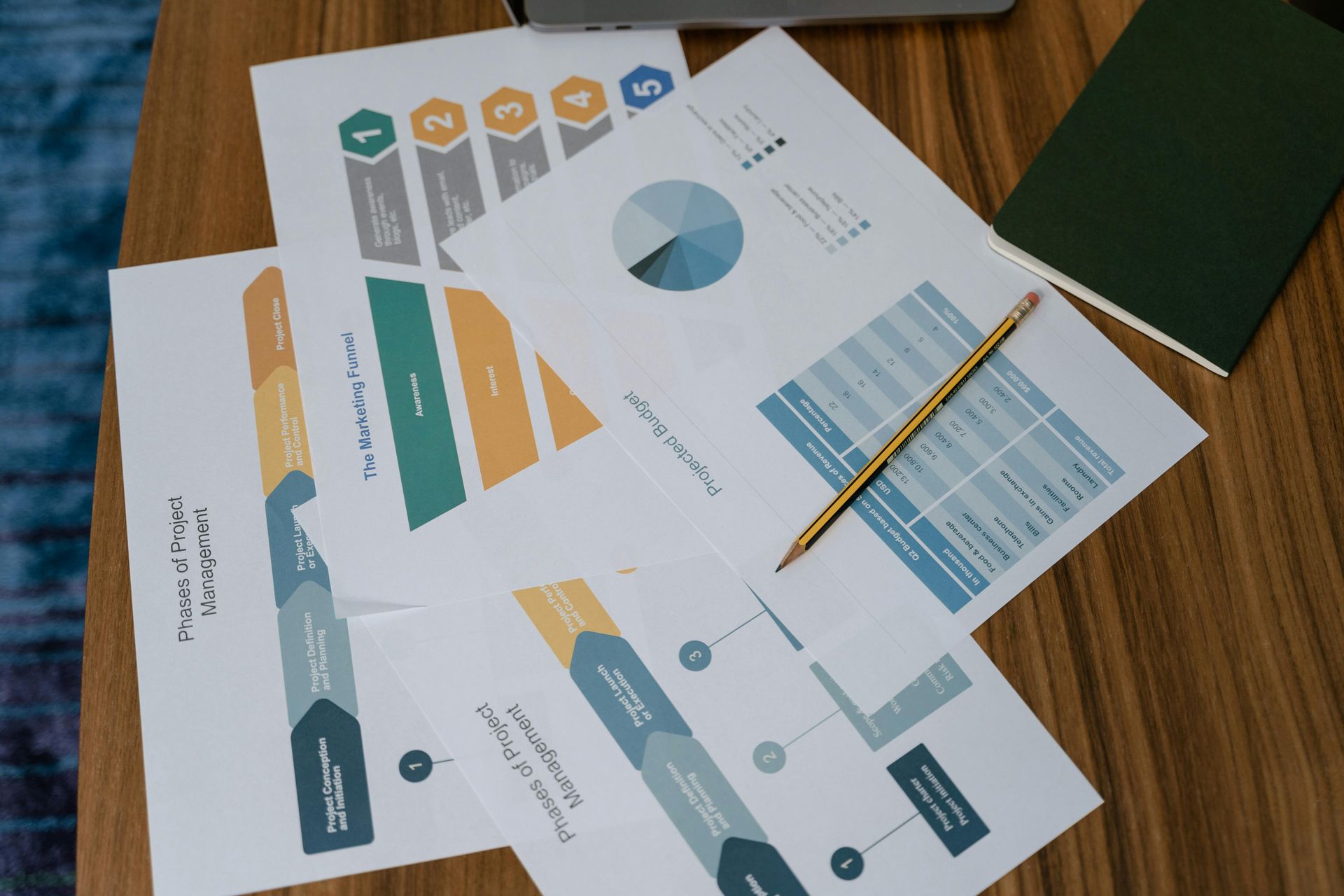
- Milestone inspection coordination with qualified engineers from initial notification through scope development, remediation oversight, and final reporting are tracked against statutory deadlines — with nothing left to chance.
- Structural Integrity Reserve Study (SIRS) requirements are managed in accordance with statute, including component identification, funding calculations, and the board's obligation to fully fund reserves for structural items without waiver.
- Fire marshal inspections, elevator certifications, backflow prevention testing, and life safety system audits maintained on overlapping compliance calendars so no certification lapses into violation.
- Insurance program review coordination is particularly critical for condominiums where Florida's property insurance market has repriced coverage dramatically and where the association's master policy directly affects every unit owner's individual coverage.
- All official records such as meeting minutes, financial statements, inspection reports, vendor contracts, insurance policies, unit owner correspondence are maintained and accessible in compliance with Chapter 718 recordkeeping requirements.
- Legislative monitoring for Florida's evolving condominium statute is delivered as a practical board update — not a legal brief — from reserve funding mandates to board member certification requirements to changes in association voting and election procedures.
Milestone inspections and required reserves are mandatory. If your association lags behind, the law does not wait.
Owner Communication & Community Standards
In a condominium association, every owner has a stake in the community and an opinion about how it's run. The communication strategy needs to account for both.
Owner communications — drafted and distributed through professional, consistent channels — help keep the board out of the email crossfire and ensure every notice, update, and announcement reflects the association's standards.
Community Portal for Document Access
Maintenance requests, assessment payments, estoppel orders, meeting notices, and association announcements live in one platform that's always accessible to owners and property managers alike.
Construction and Repair Project Notifications
Notifications are pushed proactively so owners know what's being done, when access may be affected, and how long the work will take before contractors arrive at your community.
New Owner Onboarding & Welcome Pack
Materials covering association rules, common element responsibilities, contact information, amenity access, parking assignments, and emergency procedures are generated and shared to help set clear expectations from day one.
Document Preparation & Communications
Sensitive communications like special assessments, insurance premium increases, rule enforcement actions, and capital project timelines are drafted with care, reviewed for accuracy, and delivered with the transparency that condominium owners are legally entitled to and personally invested in.
Community Standard Enforcement
Consistent architectural and community policy enforcement are communicated through documented workflows so the process is fair, clear, and defensible — whether it's a window replacement request or a landscaping modification.
Property Value & Long-Range Planning
A condominium’s value isn't determined by a single unit. It’s set by the conditions around it.
Long-range capital planning is tied to current engineering assessments, reserve studies, and the association's replacement timeline for things such as roofs, elevators, parking surfaces, mechanical systems, pools, and common area infrastructure. And these all have lifecycles that need to be funded before they fail.
Proactive common element maintenance services preserve building condition, protect curb appeal, and support resale values across every unit. Because in a condominium, one building's neglected facade affects every owner's appraisal.
Vendor and material sourcing management helps balance quality, cost, and durability for Florida's salt air, UV exposure, and humidity. Because exterior finishes, roofing materials, and mechanical components need different attention in this climate.
Community appearance standards are maintained consistently across buildings, phases, and unit types. This way, the property presents as one cohesive community, not a patchwork of individual treatments.
Guidance on long-term improvements, declaration modernization, and operational efficiencies is shared to position your condo association for financial stability and relevance as the community and its amenities age.
board RESOURCES
Running a Board Shouldn't Require Guesswork
Florida's regulatory environment is dense and it shifts often. CA's resource library gives community association board members direct access to the practical guidance, compliance information, and planning tools that matter most — written for the people who actually sit in the boardroom.
Hurricane Preparedness Playbook
Budget With Confidence
What Our Board Packets Look Like
RECENT FROM THE BLOG
What Florida boards are reading right now.
Practical guidance on the issues that keep showing up in boardrooms across the state — from reserve funding to insurance renewals to legislative changes that take effect before most boards hear about them.


FAQs About Condo Association Management
Does a condo association need a management company?
No Florida statute requires one. Associations below roughly 30 units often self-manage; above that, the volunteer hours needed for statutory recordkeeping, reserve accounting and vendor procurement usually exceed what a board can sustain. The practical test is whether your board is spending more time on administration than on decisions.
How much is a condo management fee in Florida?
Full-service management typically runs $10 to $30 per unit per month. Smaller associations pay at the top of that band because fixed costs spread over fewer units. Accounting-only engagements cost less. Ask any company what falls outside the base fee, because that is where quotes diverge.
What are common red flags of HOA or condo mismanagement?
Financials delivered late or not at all; reserve balances that never move; vendors who are never re-bid; official records requests that go unanswered past the statutory window; and a manager who attends meetings without a written packet.
What is the 5-year rule for HOAs in Florida?
It refers to the statute of limitations on enforcing a covenant. An association that has not enforced a restriction consistently can lose the ability to enforce it. The practical response is documented, uniform enforcement, which is a management function.
Can an association switch management companies mid-contract?
Most management agreements allow termination with 30 to 90 days written notice. The board should confirm the notice period, the records-transfer obligation and any early-termination fee before voting.
What does full-service condominium association management include?
Full-service management from Condominium Associates includes accounting and monthly financial reporting, budgets and reserve planning including SIRS funding, assessment collections, maintenance and common-element oversight, vendor procurement and contract management, milestone inspection coordination, Chapter 718 compliance and official records, board meetings, notices and elections, owner communication through the owner portal, insurance program review coordination, and 24/7 emergency response. The board keeps every decision.
What is the difference between HOA and condominium association management?
The governing law and the scope of what the association maintains. Condominium associations operate under Chapter 718 and usually maintain the buildings themselves: roofs, envelopes, elevators and structural systems, insured under a master policy. Buildings of three or more habitable stories also carry milestone inspection and SIRS obligations. HOAs operate under Chapter 720 and typically maintain common areas and amenities, while owners maintain their own homes.
How do you choose a condominium management company in Florida?
Verify that the named manager holds a Florida CAM license, not just the firm. Ask how many associations that manager carries, and ask for a sample board packet and a redacted reserve schedule. For a condominium, ask how the firm tracks milestone inspection and SIRS deadlines. Call references at communities of a similar size and building type.
Your association deserves management that's responsive and community-based.
If your board is spending more time putting out fires than leading the community forward, something needs to change. CA helps Florida community association boards move from reactive to prepared — with structure, local expertise, and a team that already knows what's coming.
Financial Certainty
You know what the numbers say—and why they changed.
- Monthly financials are reconciled and delivered on time
- Variances are explained before meetings—not during them
- Budgets are built with real assumptions, not guesswork
- Board packets are prepared so you walk in ready, not catching up
No more flipping through reports trying to connect the dots.
Compliance Relief
Deadlines are tracked. Processes are documented. Nothing gets missed quietly.
- Required notices and filings are scheduled and verified
- Financials and records are maintained in audit-ready format
- Workflows are documented so decisions are consistent—not improvised
- Your board isn’t relying on memory or last-minute checks
In Florida, small misses turn into big problems. We make sure they don’t happen in the first place.